As one of the most common reasons people seek chiropractic care, a “slipped disc” can be a source of significant worry and physical limitation. Whether it occurs suddenly during heavy lifting or develops over time due to posture, the resulting pain can impact every aspect of your daily routine. This fact sheet is designed to demystify the terminology and explain how these spinal structures function and heal.
In this article, Dr. Simon Nash (Chiropractor) discusses the nature of disc bulges and the different approaches a chiropractor might take to help restore function and reduce pressure on the spine.
Please note: The information provided in this article is for general knowledge and informational purposes only, and does not constitute medical advice. It is essential to consult with a qualified healthcare professional for a diagnosis and personalised treatment plan.
Table of Contents
- What is a “Slipped Disc”?
- The Anatomy of Your Spinal Discs
- Common Causes and Predisposing Factors
- The Chiropractic Approach to Disc Recovery
- Understanding the Healing Process
- Frequently Asked Questions (FAQs)
- Book a Consult with Our Chiro Brisbane
- References
- Video Transcript
What is a “Slipped Disc”?
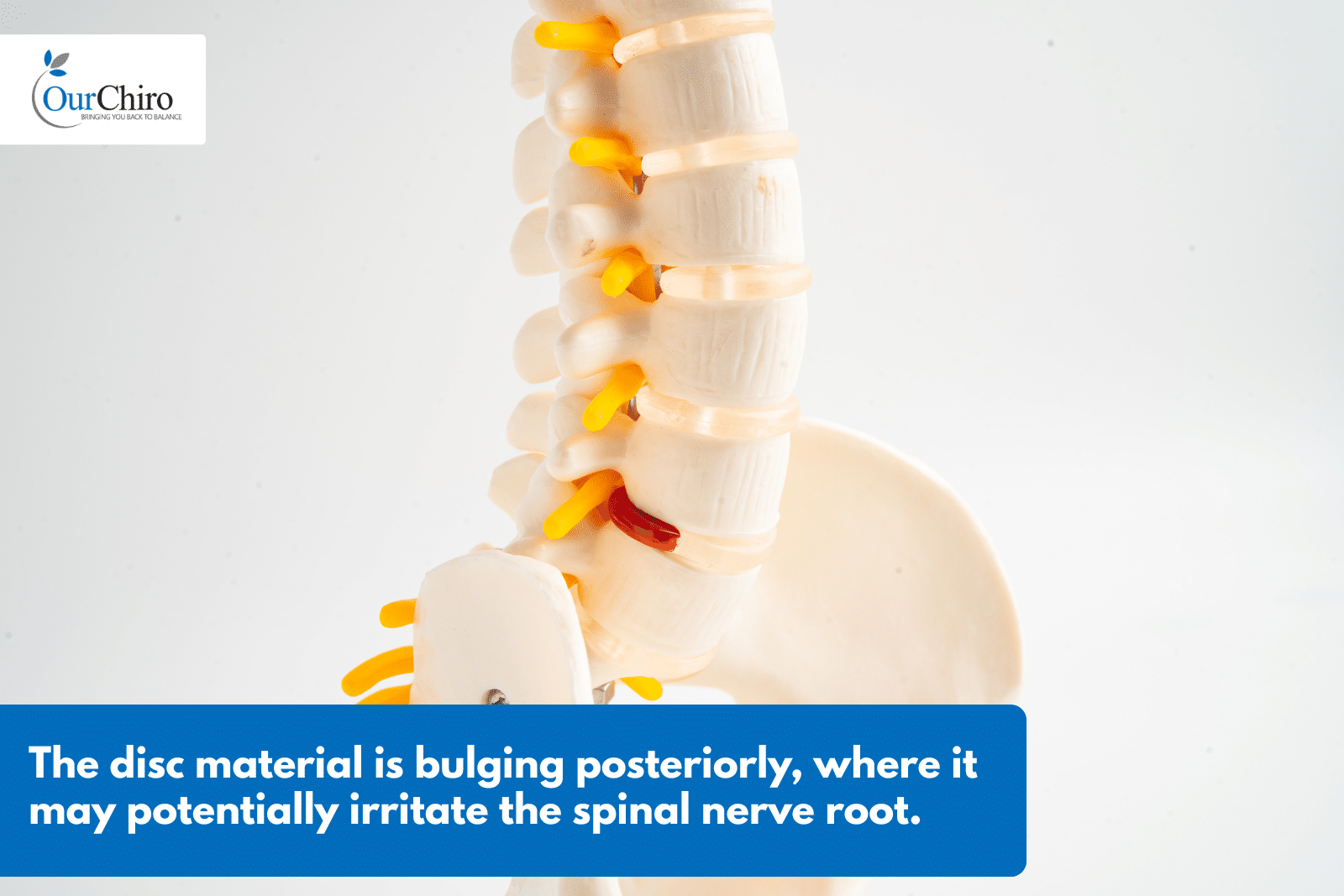
A question we often get in the clinic is: what’s a slipped disc? The term itself can be quite frightening, conjuring images of a piece of the spine sliding out of place entirely. However, the reality is a bit more stable than the name suggests.
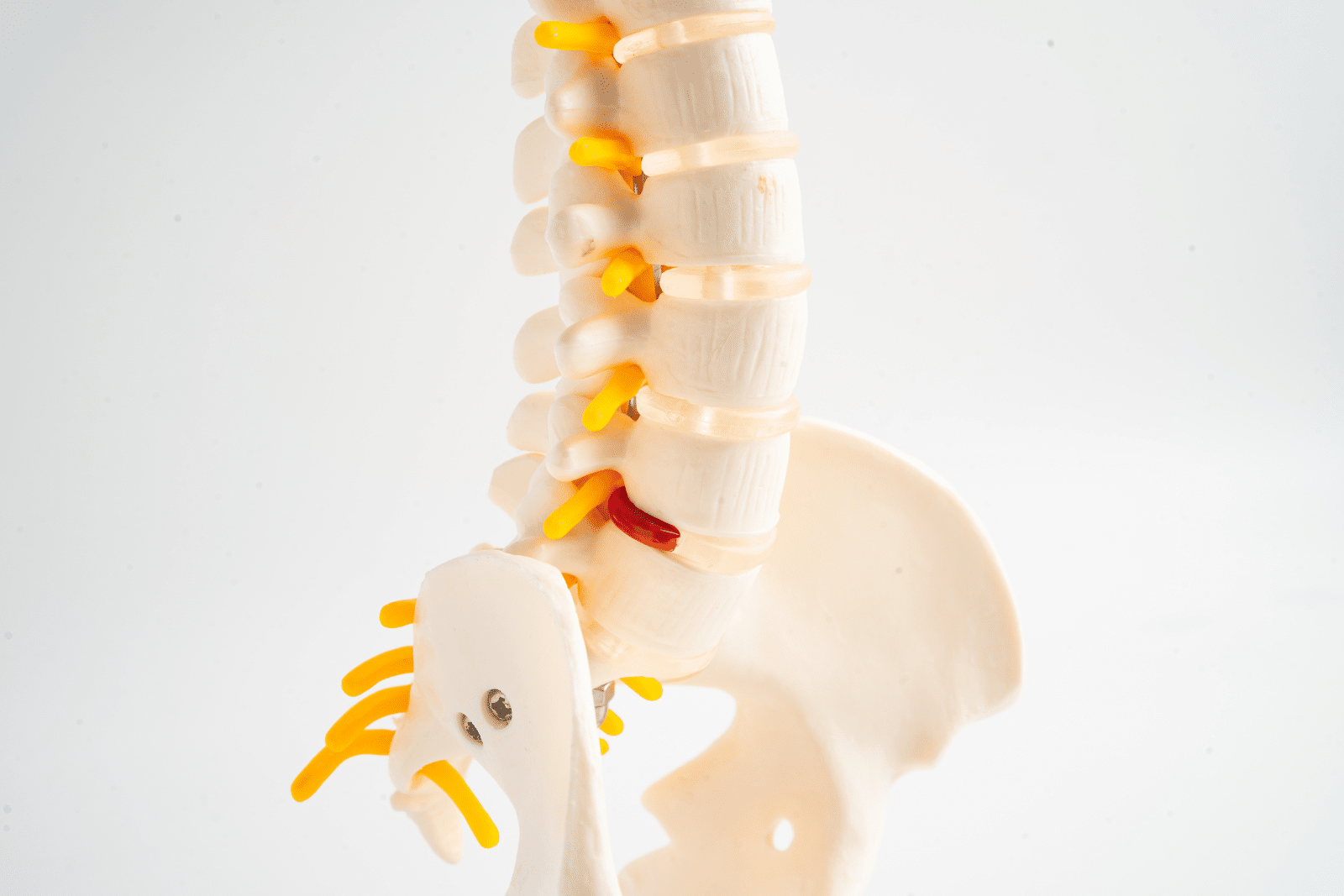
“A disc is the spongy structure in between two vertebrae in our spine,” Dr. Nash explains. “When we talk about a slipped disc, it doesn’t actually slip out of place. It’s more of a bulge.”
Essentially, “slipped disc” and “disc bulge” are terms used interchangeably to describe a situation where the disc’s internal material exerts pressure on the outer ring, causing it to protrude.
“Patients often come in fearing their spine is ‘unstable’ because of a slipped disc, but it is more helpful to think of it as a pressure issue rather than a displacement issue,” says Dr. Simon Nash (Chiropractor).
The Anatomy of Your Spinal Discs
Our spine is a marvel of engineering, designed to protect our most vital communications system.
“Our spine obviously protects our nervous system our spinal cord and the nerves that come out of that,” says Dr. Nash.
The discs serve as the spine’s shock absorbers. They are tough, fibrous rings with a soft, jelly-like centre. When these discs are healthy, they allow for the flexibility and cushioning needed for movement. When they become “slipped” or bulged, that cushioning is compromised, and the bulge can begin to irritate the nearby nerves.
Common Causes and Predisposing Factors
While an injury might seem to happen in an instant, the groundwork for a disc bulge is often laid over a long period. Dr. Nash points out that several lifestyle factors play a major role in the health of our spinal discs.
“A lot of predisposing factors can cause discs or slipped discs, such as loading issues, poor techniques, poor postures and things like that,” Dr. Nash explains.
- Loading Issues: Repeatedly lifting heavy objects without proper support or overtraining without adequate recovery.
- Poor Techniques: Bending from the waist rather than the hips or twisting while carrying a load.
- Sedentary Posture: Sitting for long periods with a slumped spine can increase the intradiscal pressure, weakening the disc over time.
“Discs are incredibly resilient, but they don’t like being compressed in the same position for hours on end; they require movement to stay hydrated and healthy,” notes Dr. Simon Nash (Chiropractor).
The Chiropractic Approach to Disc Recovery
When we are treating a disc bulge or a slipped disc, the primary objective is mechanical relief. As Dr. Nash notes: “We want to be able to take the pressure off that disc as best we can.”
Because you cannot simply “pop” a disc back in, the treatment focuses on creating the right environment for the body to reabsorb the bulge and reduce the surrounding swelling. Peer-reviewed research suggests that conservative management, including spinal manipulation, can be highly effective for these conditions. A study in the Journal of Manipulative and Physiological Therapeutics found that chiropractic care provided significant relief for patients with symptomatic lumbar disc herniations (Trager et al., 2022)
A treatment plan at Our Chiro may involve:
- Mobilisation and Adjustments: These gentle techniques help restore proper joint movement. “We will use techniques such as mobilisation, sometimes adjustments,” says Dr. Nash.
- Dry Needling: This is used to address the protective muscle guarding that often happens around a disc injury.
- Soft Tissue Work: “We will look at doing dry needling or soft tissue work around the area, but we want to reduce the inflammation in that area.”
- Cold Laser Therapy: This non-invasive tool is excellent for managing the acute inflammation often associated with a fresh disc bulge.
Understanding the Healing Process
“We really need to look after our discs because they’re very important,” says Dr. Nash. “And that’s something that we do here at the clinic quite well.”
The healing process for a disc can take time because discs have a limited blood supply compared to muscles. Recovery involves not just reducing the initial pain but also correcting the “predisposing factors” that led to the issue in the first place. This is why we focus heavily on rehabilitation and posture correction to prevent the issue from returning.
“The goal of chiropractic care isn’t just to stop the pain; it’s to restore the spine’s ability to handle the loads of everyday life without breaking down,” explains Dr. Simon Nash (Chiropractor).
Frequently Asked Questions (FAQs)
Q1: Can a slipped disc heal on its own? A: Yes, many disc bulges undergo a process called resorption where the body breaks down the protruding material, but chiropractic care helps facilitate this by reducing pressure and improving spinal mechanics.
Q2: Will I need surgery for a disc bulge? A: Most disc bulges can be managed conservatively. Research indicates that many patients experience similar outcomes with conservative care as they do with surgery, without the associated risks of an operation.
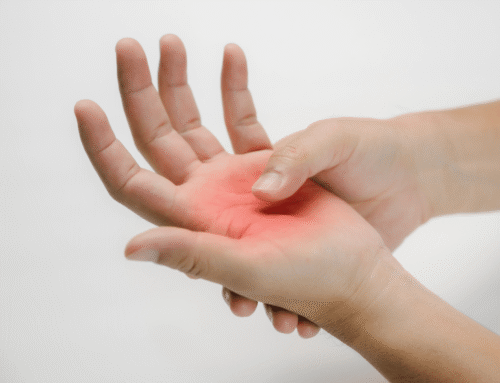
Q3: How do I know if my back pain is a disc issue? A: Disc issues often involve “referred” pain, such as numbness or tingling in the legs, and pain that worsens with coughing, sneezing, or sitting.
Q4: Is it safe to have an adjustment with a disc bulge? A: Our chiropractors use specific, gentle techniques and thorough assessments to ensure that any mobilisation or adjustment is safe and appropriate for your specific injury.
Q5: What is the best sleeping position for a slipped disc? A: Generally, sleeping on your back with a pillow under your knees or on your side with a pillow between your knees can help take pressure off the lower back.
Q6: Can poor posture really cause a disc to bulge? A: Yes. Constant slumping increases the pressure on the front of the disc, pushing the internal “jelly” toward the back where it is more likely to bulge.
Book a Consult with Our Chiro Brisbane
We know how frustrating and scary a disc injury can feel. The sharp pain when you move the wrong way, the inability to sit comfortably, and the worry about your long-term health can take a heavy toll. At Our Chiro Brisbane, we pride ourselves on providing a supportive, empathetic environment where we listen to your concerns and work toward a solution that gets you back to your best.
Don’t let a disc bulge dictate your lifestyle. Let us help you take the pressure off. Book an appointment with Our Chiro Brisbane today or call 07 3257 0399
References
Wong, E., Lee, W. T., Chau, C., Cheng, H. Y., & Kwok, R. (2023). Comparison of Effectiveness of Chiropractic Spinal Manipulation and Conservative Therapy for Low Back Pain. Journal of Orthopaedics and Sports Medicine, 05(01). https://www.researchgate.net/publication/367029946_Comparison_of_Effectiveness_of_Chiropractic_Spinal_Manipulation_and_Conservative_Therapy_for_Low_Back_Pain
Trager, R. J., Daniels, C. J., Perez, J. A., Casselberry, R. M., & Dusek, J. A. (2022). Association between chiropractic spinal manipulation and lumbar discectomy in adults with lumbar disc herniation and radiculopathy: retrospective cohort study using United States’ data. BMJ Open, 12(12), e068262. https://doi.org/10.1136/bmjopen-2022-068262
Video transcript
A question we often get in the clinic is what’s a slipped disc? So a disc is the spongy structure in between two vertebrae in our spine. Our spine obviously protects our nervous, our spinal cord and the nerves that come out of that. So when we talk about a slipped disc, it doesn’t actually slip out of out of place. It’s more of a bulge. So we’ve all heard of a disc bulge and a slipped disc. They’re one in the same. So when we’re treating a disc bulge or a slipped disc, we want to be able to take the pressure off that disc as best we can. So we will use techniques such as mobilisation, sometimes adjustments. We will look at, um, doing dry needling or soft tissue work around the area, but we want to reduce the inflammation in that area. Um, a lot of predisposing factors can be caught that can cause discs or slipped discs, such as loading issues, poor techniques, poor postures and things like that. So we really need to look after our discs because they’re very important. And that’s something that we do here at the clinic quite well.
This blog post was written and approved by Dr Simon Nash
Dr Simon Nash (M.Chiro, B.Chiro Sci.) is a chiropractor with over 20 years of clinical experience. He is a full professional member of Sports Medicine Australia (SMA) and Chiropractic Australia, and is AHPRA registered (CHI0000970189). Simon graduated from Macquarie University and is dual-registered to practise in Australia and Hong Kong.
He began his career in a multidisciplinary neurology-focused clinic in Sydney, developing a strong interest in treating headaches and migraines. Since 2006, he has operated Our Chiro Brisbane, now alongside his sisters Jessica and Rebecca.
Simon treats everyday injuries, workplace rehabilitation cases and complex presentations using a wide range of techniques. His sports medicine experience spans elite athletes including NRL and Rugby Union players, Olympians, and events like the Australian Open and Hong Kong 7s. He has also treated Guns N’ Roses during tour.


Disclaimer:
The information provided in this blog is for general informational purposes only and is not intended as medical advice. It should not be used to diagnose, treat, or replace professional consultation with a qualified healthcare provider. Always seek the advice of a chiropractor, GP, or other qualified health professional regarding any medical condition or treatment.
Click here to learn more about our editorial policy, that explains how content is created, fact-checked, and updated by qualified chiropractors and other health professionals.