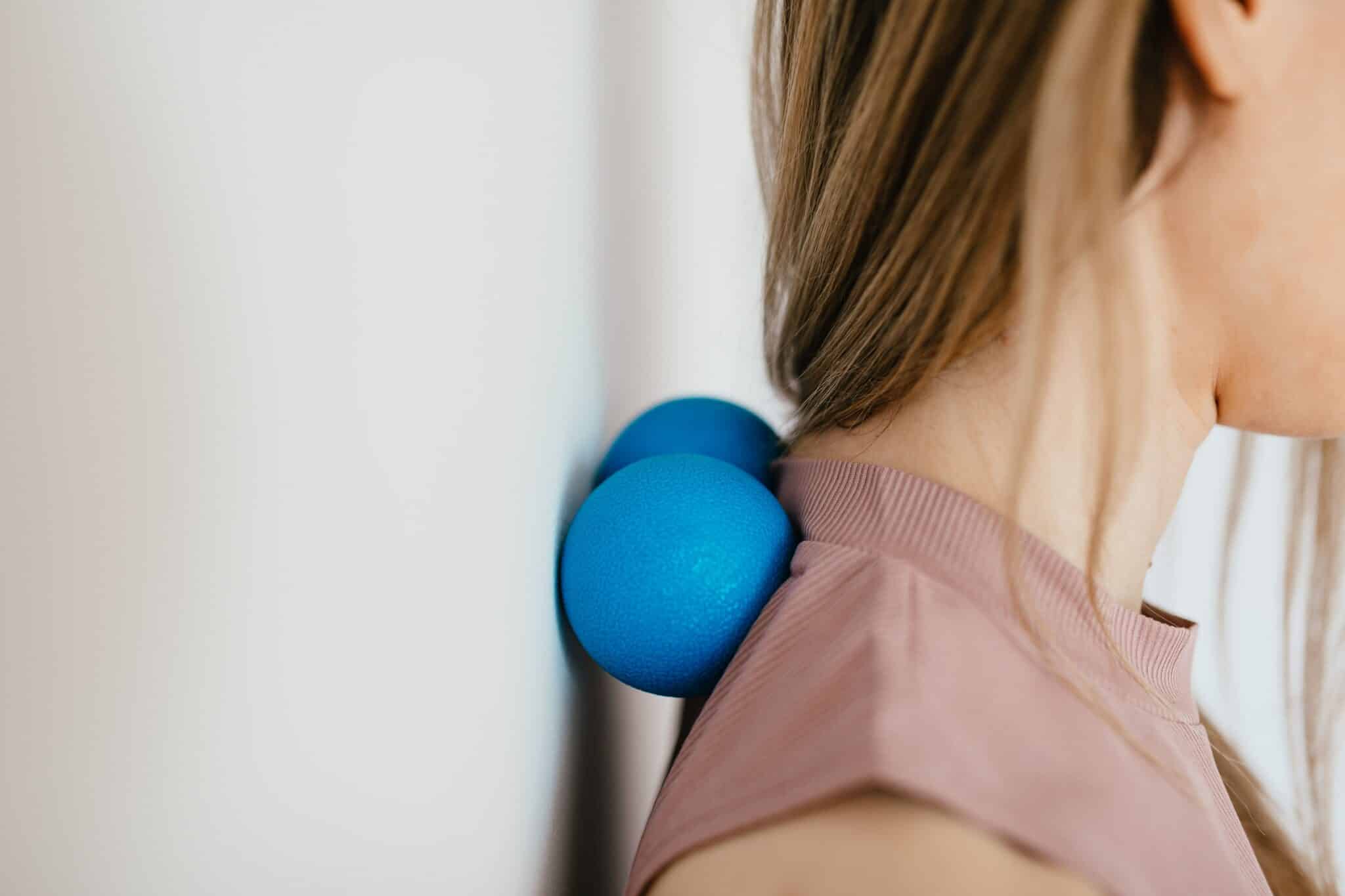
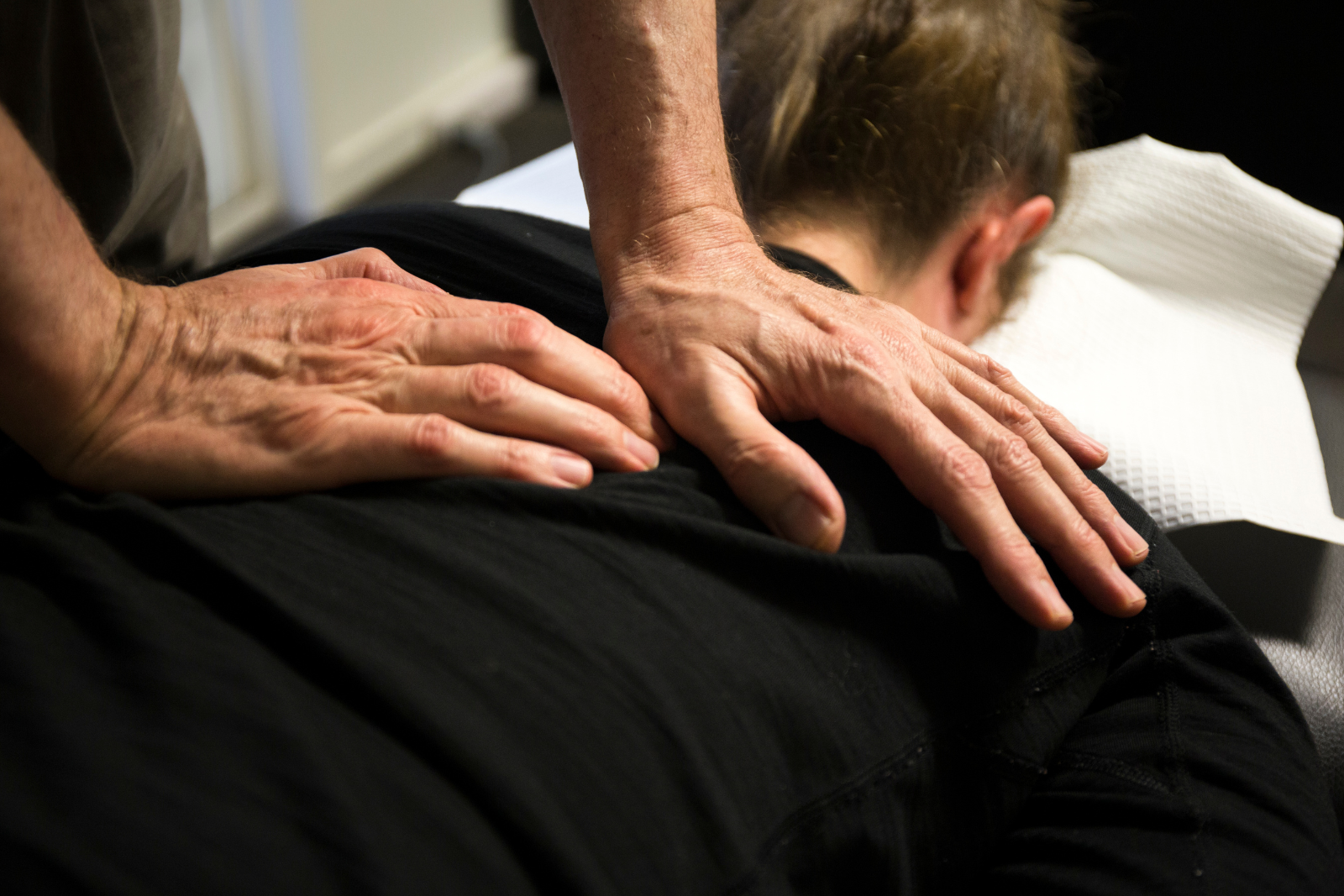
Muscular tension, chronic stiffness, and sports injuries are more than just minor inconveniences; they can significantly hinder your quality of life, making even the simplest movements feel like a chore. Whether you are dealing with a desk-bound job that has left your shoulders in knots or recovering from an acute injury, finding the right therapeutic approach is essential.
In this article, Dr. Simon Nash (Chiropractor) discusses the specific role of remedial massage, how it differs from traditional relaxation massage, and why it is often integrated with chiropractic care to achieve optimal patient outcomes.
Medical Disclaimer: The information provided in this article is for general knowledge and informational purposes only and does not constitute medical advice. It is essential to consult with a qualified healthcare professional for a diagnosis and personalised treatment plan.
Table of Contents
- What is Remedial Massage?
- The Difference Between Remedial and Relaxation Massage
- How Remedial Massage Complements Chiropractic Care
- Conditions Treated with Targeted Soft Tissue Therapy
- What to Expect During Your Session
- Frequently Asked Questions (FAQs)
- Book a Consult with Our Chiro Brisbane
- References
- Video Transcript
What is Remedial Massage?
Unlike a standard “spa” massage designed primarily for stress relief, remedial massage is a clinical, targeted technique used to treat specific musculoskeletal issues. It involves a systematic assessment and treatment of the muscles, tendons, and connective tissues of the body to assist in rehabilitation, pain management, and injury repair.
“Remedial massage is a targeted massage technique for a lot of different conditions in and around the muscle system or the musculoskeletal system,” explains Dr. Simon Nash. “Practitioners may use a wide range of massage therapies depending on the patient’s needs or certain medical conditions.”
By focusing on the root cause of physical dysfunction rather than just the symptoms, remedial massage aims to stimulate the body’s own healing mechanisms.
The Difference Between Remedial and Relaxation Massage
It is a common misconception that all massages are created equal. While relaxation massage focuses on the nervous system to promote a sense of calm, remedial massage is focused on biomechanics and structural integrity.
“It’s more of a targeted technique than just a general massage,” Dr. Nash notes. “And it’s more of a therapy than just a relaxation.”
Dr. Nash further clarifies the clinical objective of the treatment:
“They’ll be looking at reducing muscle tension, restoring muscle function using these certain techniques.”
This distinction is vital for patients seeking long-term relief from chronic pain. While you may feel “relaxed” after a remedial session, the primary goal is the restoration of normal tissue length and joint mobility.
How Remedial Massage Complements Chiropractic Care
At Our Chiro Brisbane, we often see the best results when Remedial Massage and Chiropractic care are used in tandem. The relationship between the two is symbiotic: the chiropractor addresses the alignment and function of the joints and nervous system, while the remedial massage therapist addresses the soft tissues that move those joints.
“It’s quite often used in conjunction with a lot of other musculoskeletal therapies such as chiropractic,” says Dr. Nash. “And it works really well hand in hand with those therapies to help reduce muscle tension and fatigue and restore that muscle back to its normal function.”
Research supports this multimodal approach. A study published in the Journal of Manipulative and Physiological Therapeutics suggests that combining spinal manipulation with soft tissue therapy can lead to greater improvements in pain and disability scores than using either therapy in isolation (Lytras et al., 2026).
Conditions Treated with Targeted Soft Tissue Therapy
Because remedial massage is a flexible therapy, it can be adapted to treat a wide array of conditions. From tension headaches caused by “tech neck” to more complex issues like sciatica, the focus remains on restoring the “muscle system.”
Peer-reviewed literature, such as research found in the International Journal of Therapeutic Massage & Bodywork, highlights the efficacy of remedial techniques in managing chronic neck pain and improving range of motion (Sherman et al., 2009) Read more on massage for chronic neck pain here.
Dr. Nash emphasises that this therapy is not “one size fits all”:
“Our goal is to ensure the soft tissue supports the skeletal changes we make. If the muscles remain tight, they will simply pull the joints back out of alignment.”
What to Expect During Your Session
A remedial massage session typically begins with a brief consultation to identify areas of pain or restriction. The therapist may use several techniques, including:
- Deep tissue work: To reach deeper layers of muscle and fascia.
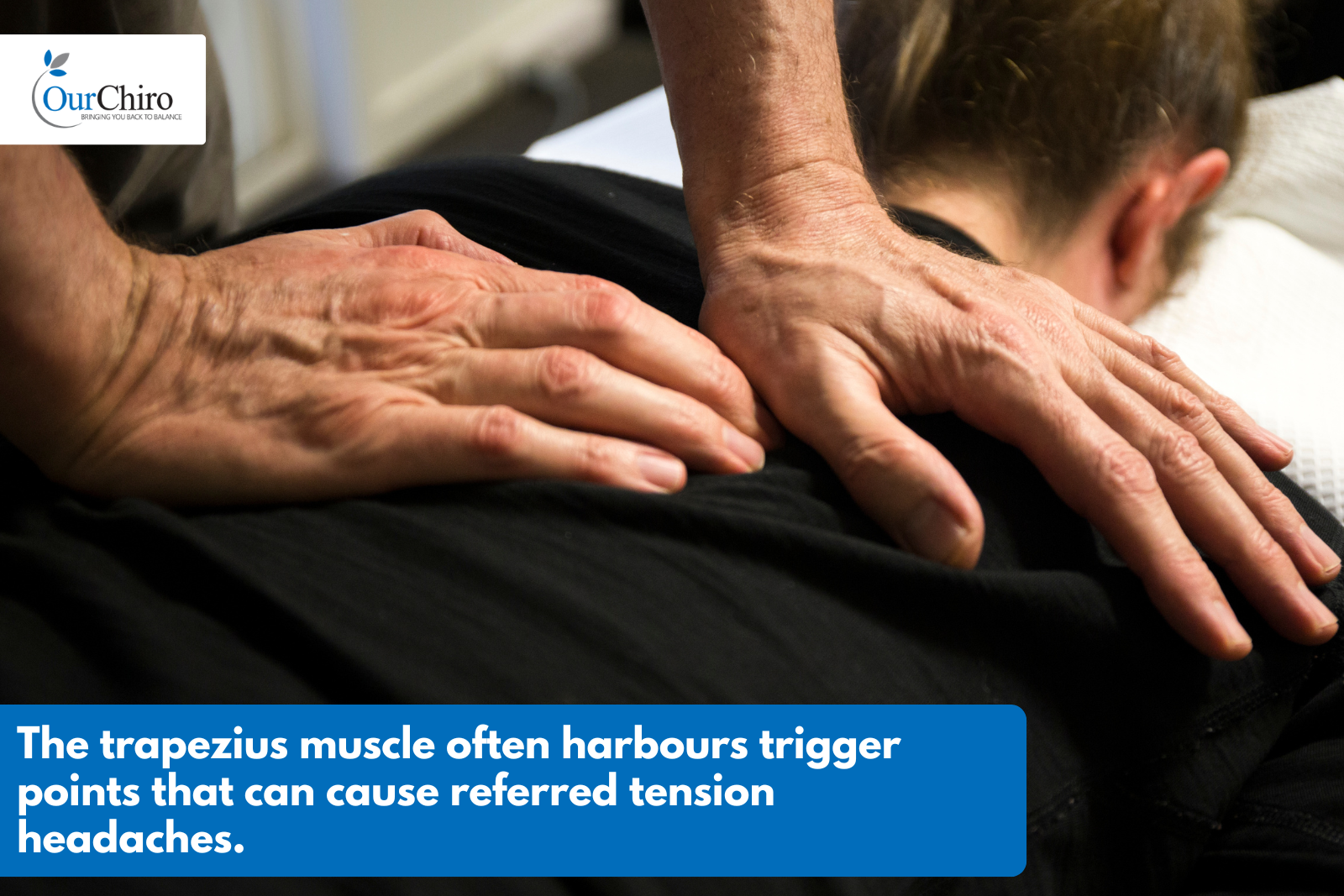
- Trigger point therapy: To release “knots” that may be causing referred pain.
- Myofascial release: To improve the elasticity of the connective tissue.
Frequently Asked Questions (FAQs)
Q1: Does remedial massage hurt? A: While some techniques involve deep pressure that can be “comfortably uncomfortable,” it should never be unbearably painful. Your therapist will always work within your pain tolerance.
Q2: How many sessions will I need? A: This depends on whether your condition is acute or chronic. Many patients feel significant relief after 1–3 sessions, while chronic issues may require ongoing maintenance.
Q3: Can I get a rebate from my private health fund? A: Yes, most Australian private health funds provide rebates for remedial massage when performed by a qualified practitioner.
Q4: Should I see the Chiropractor or the Massage Therapist first? A: This varies by case. Often, having a massage first warms up the muscles, making the chiropractic adjustment easier. Alternatively, an adjustment can help the muscles relax more effectively during a massage.
Q5: Will I be sore after the treatment? A: It is common to feel some mild “post-massage soreness” for 24–48 hours, similar to the feeling after a workout, as the body processes the release of toxins and tissue manipulation.
Q6: What should I wear to a remedial massage? A: Most treatments require you to undress to your underwear, but you will be professionally draped with towels at all times, with only the area being worked on exposed.
Book a Consult with Our Chiro Brisbane
We know how exhausting it is to live with constant muscle tension. It drains your energy, affects your sleep, and stops you from being your best self for your family and work. You don’t have to “just live with it.”
At Our Chiro Brisbane, we take the time to listen to your story and understand your pain. Whether you need a targeted remedial massage to release chronic knots or a combined chiropractic approach to get your body moving properly again, we are here to support your journey to wellness.
Book your appointment online today, or call 0732570399.
References
Sherman, K. J., Cherkin, D. C., Hawkes, R. J., Miglioretti, D. L., & Deyo, R. A. (2009). Randomized trial of therapeutic massage for chronic neck pain. The Clinical Journal of Pain, 25(3), 233–238. https://doi.org/10.1097/AJP.0b013e31818b7912
Lytras, D., Iakovidis, P., Kasimis, K., Georgoulas, V., Algiounidis, I., Kamparoudi, G. M., Tsigaras, G., Tarfali, G., Vergidou, G., Sidiropoulos, N., Zerva, E., & Kallistratos, I. (2026). Short-Term Effects of Manual Therapy Combined with Functional Magnetic Stimulation in Individuals with Lumbar Disk Herniation with Radiculopathy: A Randomized Clinical Trial. Medicina, 62(2), 249. https://doi.org/10.3390/medicina62020249
Video Transcript
A question we often get at the clinic is what’s remedial massage? So remedial massage is a targeted massage technique for a lot of different conditions in and around the muscle system or the musculoskeletal system. So practitioners may use a wide range of massage therapies depending on the patient’s needs or certain medical conditions. So they’ll be looking at reducing muscle tension, restoring muscle function using these certain techniques. So it’s more of a targeted technique than just a general massage. And it’s more of a therapy than just a relaxation. It’s quite often used in conjunction with a lot of other musculoskeletal therapies such as chiropractic. Um, and it works really well hand in hand with those therapies to help reduce muscle tension and fatigue and restore that muscle back to its normal function.”
This blog post was written and approved by Dr Simon Nash
Dr Simon Nash (M.Chiro, B.Chiro Sci.) is a chiropractor with over 20 years of clinical experience. He is a full professional member of Sports Medicine Australia (SMA) and Chiropractic Australia, and is AHPRA registered (CHI0000970189). Simon graduated from Macquarie University and is dual-registered to practise in Australia and Hong Kong.
He began his career in a multidisciplinary neurology-focused clinic in Sydney, developing a strong interest in treating headaches and migraines. Since 2006, he has operated Our Chiro Brisbane, now alongside his sisters Jessica and Rebecca.
Simon treats everyday injuries, workplace rehabilitation cases and complex presentations using a wide range of techniques. His sports medicine experience spans elite athletes including NRL and Rugby Union players, Olympians, and events like the Australian Open and Hong Kong 7s. He has also treated Guns N’ Roses during tour.


Disclaimer:
The information provided in this blog is for general informational purposes only and is not intended as medical advice. It should not be used to diagnose, treat, or replace professional consultation with a qualified healthcare provider. Always seek the advice of a chiropractor, GP, or other qualified health professional regarding any medical condition or treatment.
Click here to learn more about our editorial policy, that explains how content is created, fact-checked, and updated by qualified chiropractors and other health professionals.