Cupping Therapy
Suction therapy that promotes circulation, reduces stiffness, and supports recovery.
Suction therapy that promotes circulation, reduces stiffness, and supports recovery.
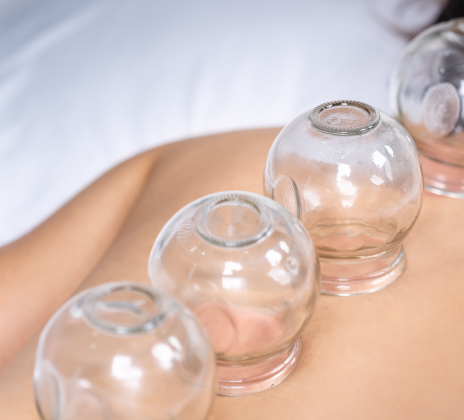
Cupping therapy uses gentle suction to lift soft tissue, improve blood flow, and relieve stiffness. It can support recovery from muscle fatigue and help reduce pain. At Our Chiro Brisbane, cupping is often paired with other manual treatments to enhance overall mobility.
Cupping is a therapeutic technique used to improve circulation, release muscle tension, and support recovery from pain or overuse. At Our Chiro Brisbane, cupping is often combined with chiropractic and soft-tissue therapies to enhance tissue flexibility and reduce discomfort. The treatment involves placing suction cups on the skin to create a gentle vacuum that lifts the underlying tissue, helping increase blood flow and promote healing.
This suction effect helps loosen fascia and tight muscle fibres, clear metabolic waste, and reduce stiffness in areas affected by postural strain or repetitive activity. Cupping may leave temporary circular marks on the skin, which are normal and usually fade within a few days.
Cupping therapy may assist with:
Each session is tailored to comfort and treatment goals, with suction levels and duration adjusted for the individual.
At Our Chiro Brisbane, cupping is used as part of a structured, evidence-informed approach to help improve mobility, reduce pain, and support the body’s natural recovery processes.
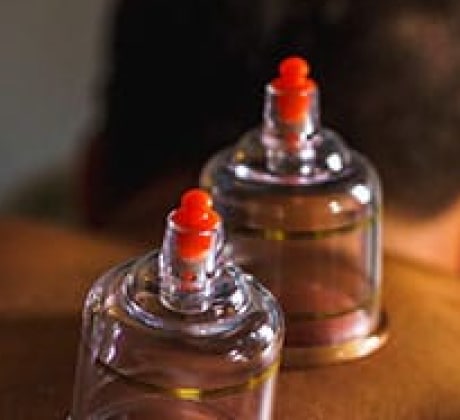
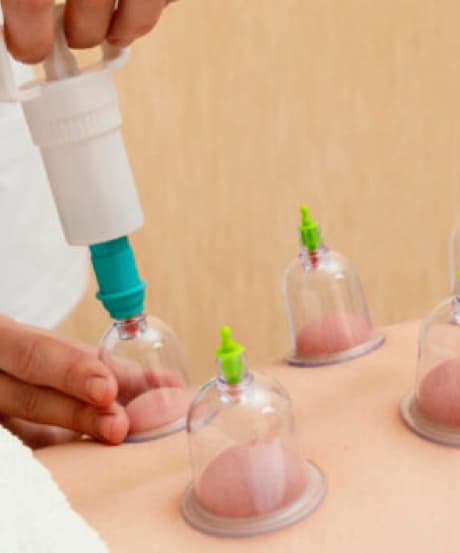



Cupping therapy is an ancient healing practice that involves placing specialized cups on the skin and creating suction. This suction draws the skin and underlying tissues upward, promoting blood flow, releasing muscle tension, and facilitating healing.
The suction created by the cups increases blood circulation to the treated area, bringing fresh oxygen and nutrients to promote healing. It also helps to release muscle tension, break up adhesions (knots) in the fascia (connective tissue), and stimulate the lymphatic system to reduce inflammation.
Cupping therapy offers a range of benefits, including:
Cupping can be beneficial for various conditions, including:
Your practitioner will place cups on specific areas of your body, depending on your needs. The cups may be left in place or moved along the skin. You may experience a sensation of tightness or pulling, but it should not be painful. After the treatment, you may have circular marks on your skin that typically fade within a few days.
Cupping should not be painful. You may feel a sensation of tightness or pressure, but it should be tolerable. Your practitioner will adjust the suction level to ensure your comfort.
Cupping is generally safe, but some people may experience mild side effects such as:
The number of sessions will depend on your individual needs and condition. Your practitioner will recommend a treatment plan that’s right for you.
Coverage for cupping varies depending on your insurance plan. Check with your provider to confirm your coverage.
You can book an appointment online through our website or by contacting our clinic directly. Our chiropractors and therapists are trained in cupping techniques and can help you determine if it’s the right treatment option for you.
Cupping Therapy is a traditional technique that has been adapted into modern chiropractic care to help ease muscle tension, improve circulation, and support tissue recovery. The method involves placing special cups on the skin to create gentle suction. This suction lifts the underlying tissue slightly, helping to increase blood flow and release tight or restricted areas in the muscles and fascia.
The process can be performed using either glass, silicone, or plastic cups. The practitioner controls the level of suction to ensure comfort and safety. The cups may remain stationary over specific areas or be moved slowly across the skin, depending on the desired effect. After treatment, the skin may show temporary marks where the cups were placed. These are not bruises but a normal response caused by increased local blood flow.
Cupping may help relieve sensations of stiffness and heaviness in the muscles, especially in areas affected by postural strain, overuse, or stress. It can also assist in loosening fascia, which is the connective tissue that surrounds and supports muscles. This helps improve mobility and can enhance the effectiveness of chiropractic adjustments or other soft tissue techniques.
Many people describe cupping as relaxing, with a gentle pulling sensation that helps reduce tension. In some cases, it may also help calm the nervous system and promote a general sense of wellbeing.
Cupping Therapy is not intended to diagnose or treat specific medical conditions but serves as a supportive treatment that complements chiropractic care. By encouraging healthy circulation and reducing muscle tightness, it helps the body move more comfortably and recover more efficiently from daily physical demands.
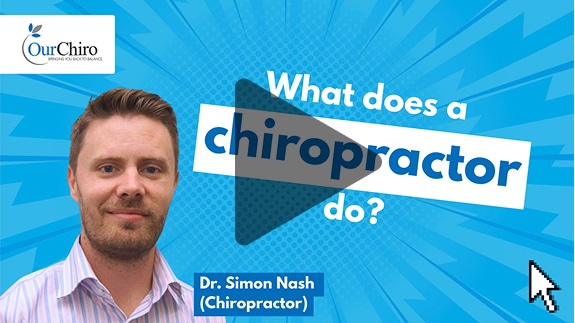
What does a chiropractor do?
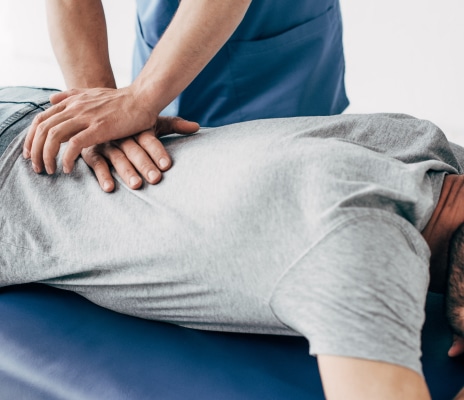
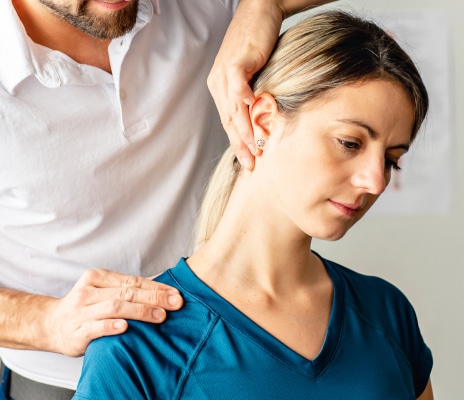
A chiropractor diagnoses and treats musculoskeletal conditions, which involve the joints, muscles, and neural tissue throughout the body. Chiropractors typically use adjustments to help restore joint function and relieve pressure on surrounding tissues.
We commonly see patients with headaches, migraines, back pain, neck pain, mid-thoracic pain, knee pain, or shoulder pain—often from sport or postural issues.
During a typical consultation, you’ll come in for a medical history review, followed by an orthopaedic examination and, if needed, a neurological exam. We’ll then perform a physical assessment to identify the cause of your condition. Imaging such as X-rays or MRI scans may be requested, usually through an external provider.
Treatment often includes gentle adjustments or joint mobilisations to restore movement and reduce pain. We may also use other therapies such as dry needling, Kinesio taping, rigid taping, or soft tissue work as part of your care plan.
Improve circulation, reduce stiffness, and aid recovery with cupping therapy. Book your session or enquire with Our Chiro Brisbane today.

At Our Chiro Brisbane, we prioritize personalized care, ensuring that each patient’s unique health issues, needs, and concerns are addressed with utmost attention. We are committed to delivering tailored treatments that focus on individual well-being, because your health deserves dedicated and thoughtful care.
Opening Hours
| Mon | 8:00 am – 6:30 pm |
| Tue | 8:00 am – 6:30 pm |
| Wed | 8:00 am – 6:30 pm |
| Thu | 8:00 am – 6:30 pm |
| Fri | 7:30 am – 1:00 pm |
| Sat | 8:30 am – 12:30 pm |
| Sun | Closed |
Our Treatments
Contact Info
Common Conditions
Contact Info
Copyright © 2025 | Our Chiro. All Rights Reserved.
Web Design by YEWS | Privacy Policy | Disclaimer |
Chiropractor Brisbane | Back Pain & Chiropractic Fortitude Valley

Cannot rate this practice highly enough! Both Kat and Simon are lovely and very professional. I was a little skeptical at my first appointment but in just a few short weeks I’ve noticed a huge difference in my comfort levels and range of movement. Highly recommend a visit to either Kat or Simon
Wheel alignment on this old chassis. Simon Nash is one of the best Chiropractors I’ve seen. Very informative and actually quite smooth when it comes to making adjustments. If you’re looking for a professional friendly effective chiropractor Simon Nash is one of the best

Visilios K
Emma T
Will H
One of the best investments I have made in my future! I personally recommend Our Chiro to all my friends and family.
Susana B