Dry Needling Therapy
Precise needling techniques to release trigger points and reduce muscle pain.
Precise needling techniques to release trigger points and reduce muscle pain.
Dry needling involves inserting fine needles into tight muscle bands to release tension and ease pain. It helps reset muscle tone, improve movement, and reduce inflammation. Our Chiro Brisbane uses this evidence-based method alongside manual therapy for better outcomes.
Dry needling is a targeted technique used to release tight muscle bands, known as trigger points, that can cause local or referred pain. At Our Chiro Brisbane, dry needling is performed by trained practitioners as part of a broader musculoskeletal treatment plan. It involves inserting fine, sterile needles into specific points within muscles to help relieve tension, improve blood flow, and support natural healing.
Unlike acupuncture, which follows traditional energy meridians, dry needling is based on modern anatomy and neurophysiology. The goal is to deactivate overactive muscle fibres, restore normal tone, and improve movement. Patients often describe a brief twitch response or dull ache during treatment, followed by a noticeable reduction in tightness and improved comfort.
Dry needling may assist with:
Sessions are tailored to the individual, with needle placement guided by assessment of muscle tone, pain referral patterns, and function.
At Our Chiro Brisbane, dry needling is integrated with chiropractic care, soft-tissue therapy, and rehabilitation exercises to address both the muscular and joint components of pain, supporting lasting recovery and improved mobility.
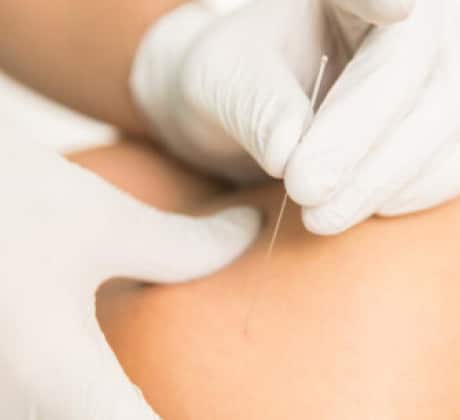
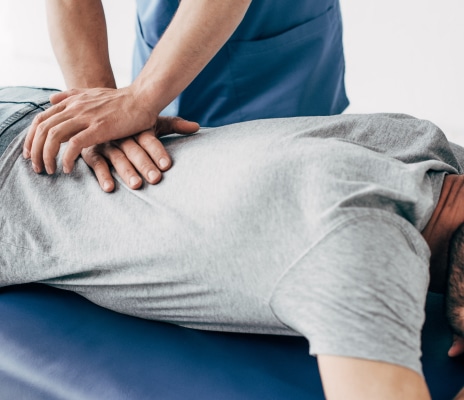



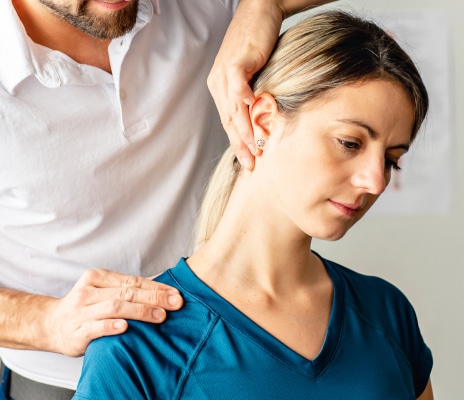
Dry needling is a skilled intervention performed by a qualified healthcare professional, such as a chiropractor or physical therapist, that involves inserting a thin, sterile needle into a muscle or connective tissue to reduce pain and improve function.
Dry needling targets trigger points, which are tight, irritable bands of muscle that can cause pain and restricted movement. Inserting the needle into a trigger point can cause the muscle to twitch, which helps to release tension and reduce pain. Dry needling can also stimulate blood flow and promote healing in the area.
Dry needling can be effective for a variety of musculoskeletal conditions, including:
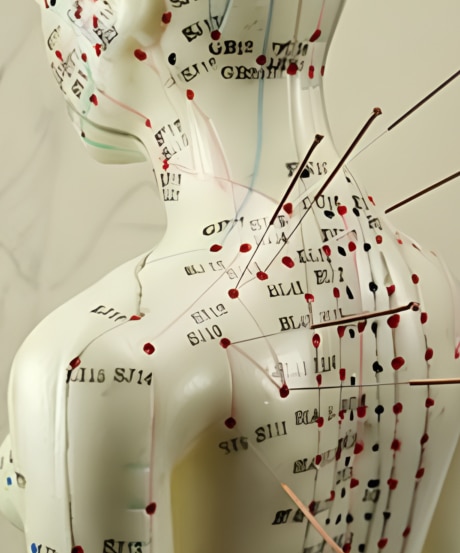
While both dry needling and acupuncture use thin needles, they are based on different theories. Dry needling is based on Western anatomical and neurophysiological principles, while acupuncture is rooted in Traditional Chinese Medicine (TCM). Dry needling focuses on treating musculoskeletal pain and dysfunction by targeting trigger points in muscles, whereas acupuncture aims to restore the flow of Qi (energy) throughout the body.
Your practitioner will first assess your condition to identify trigger points. They will then insert thin needles into the trigger points. You may feel a brief twitch or cramping sensation as the needle is inserted, but this is usually not painful. The needles may be left in place for a few minutes or manipulated to stimulate the muscle.
Most people experience minimal discomfort during dry needling. The needles used are very thin, and the sensation is often described as a slight ache or pressure.
Side effects are generally mild and may include:
The number of sessions will vary depending on your individual needs and condition. Your practitioner will recommend a treatment plan that’s right for you.
Coverage for dry needling varies depending on your insurance plan. Check with your provider to confirm your coverage.
You can book an appointment online through our website or by contacting our clinic directly. Our chiropractors and therapists are experienced in dry needling techniques and can help you determine if it’s the right treatment option for you.
Dry Needling Therapy is a targeted technique used in chiropractic care to address muscular tension, trigger points, and movement restrictions. It involves the gentle insertion of fine, sterile needles into specific points within a muscle (often areas of tightness or overactivity) to help release tension and promote normal muscle function.
Although it uses similar tools to acupuncture, dry needling is based on modern anatomical and neurophysiological principles rather than traditional Chinese medicine. The goal is to stimulate the muscle directly, causing a small, localised twitch response that helps reset its tone and relieve tightness. This response can improve blood flow, reduce sensitivity, and allow the muscle to move more freely.
Dry needling is often used as part of a broader chiropractic treatment plan for conditions involving muscle stiffness, postural strain, or sports-related tightness. By releasing deep trigger points that are difficult to reach through manual therapy alone, it can enhance the effects of other treatments such as adjustments, soft tissue therapy, and rehabilitation exercises.
During a session, your Our Chiro chiropractor will identify the affected muscles through assessment and palpation, then insert the needles briefly or for a short period depending on the area being treated. The procedure is typically well tolerated, with most people experiencing only mild, temporary sensations of pressure or twitching.
While dry needling is not intended to diagnose or cure medical conditions, it can play an important role in maintaining healthy muscle function and supporting recovery from strain. By reducing tightness and improving mobility, it helps restore balanced movement and contributes to overall musculoskeletal wellbeing when integrated with other forms of chiropractic care.
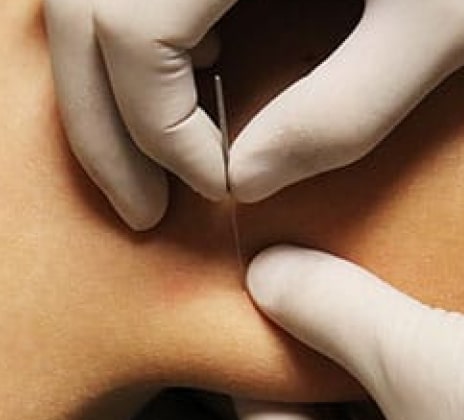
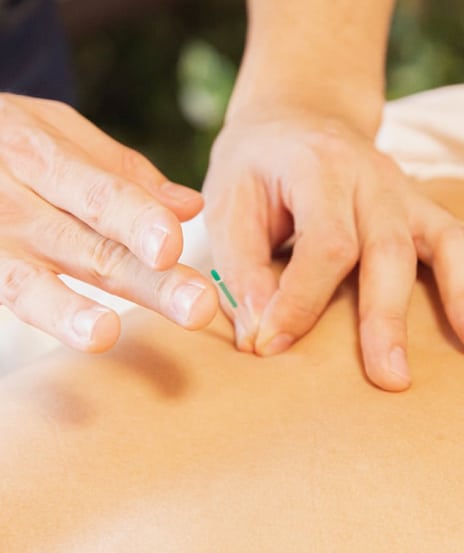

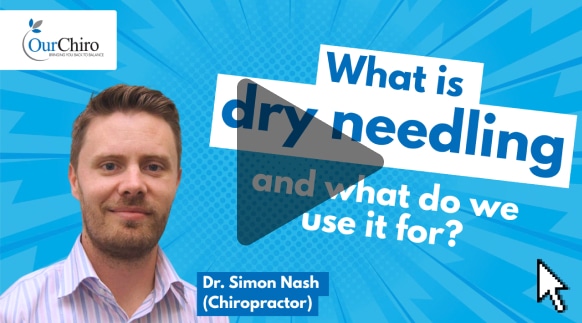
One of the questions we often get at the clinic is: what is dry needling, and how does it work?
Dry needling is an umbrella term for any needling technique where nothing is injected into the skin or muscle. Acupuncture is one example, but in our clinic we perform musculoskeletal needling. This involves inserting a fine needle into a muscle to create a local reaction. The goal is to either inhibit or activate the muscle to produce a biomechanical response that promotes healing, improves function, and restores movement.
We use different needle lengths and thicknesses depending on the area being treated. It typically doesn’t hurt like people expect—it’s much gentler than something like a vaccination—and the needles are usually in for only a short time.
The results can be excellent. We often use one or several needles, depending on the condition. Dry needling works particularly well for issues such as frozen shoulder (adhesive capsulitis), tennis elbow, golfer’s elbow, and irritation in muscles like the glutes, hamstrings, and calves. It’s a highly effective treatment for relieving muscle tension and improving recovery.
Target pain and muscle tightness with dry needling. Book an appointment at Our Chiro Brisbane or contact our team to learn more.

At Our Chiro Brisbane, we prioritize personalized care, ensuring that each patient’s unique health issues, needs, and concerns are addressed with utmost attention. We are committed to delivering tailored treatments that focus on individual well-being, because your health deserves dedicated and thoughtful care.
Opening Hours
| Mon | 8:00 am – 6:30 pm |
| Tue | 8:00 am – 6:30 pm |
| Wed | 8:00 am – 6:30 pm |
| Thu | 8:00 am – 6:30 pm |
| Fri | 7:30 am – 1:00 pm |
| Sat | 8:30 am – 12:30 pm |
| Sun | Closed |
Our Treatments
Contact Info
Common Conditions
Contact Info
Copyright © 2025 | Our Chiro. All Rights Reserved.
Web Design by YEWS | Privacy Policy | Disclaimer |
Chiropractor Brisbane | Back Pain & Chiropractic Fortitude Valley

Cannot rate this practice highly enough! Both Kat and Simon are lovely and very professional. I was a little skeptical at my first appointment but in just a few short weeks I’ve noticed a huge difference in my comfort levels and range of movement. Highly recommend a visit to either Kat or Simon
Wheel alignment on this old chassis. Simon Nash is one of the best Chiropractors I’ve seen. Very informative and actually quite smooth when it comes to making adjustments. If you’re looking for a professional friendly effective chiropractor Simon Nash is one of the best

Visilios K
Emma T
Will H
One of the best investments I have made in my future! I personally recommend Our Chiro to all my friends and family.
Susana B