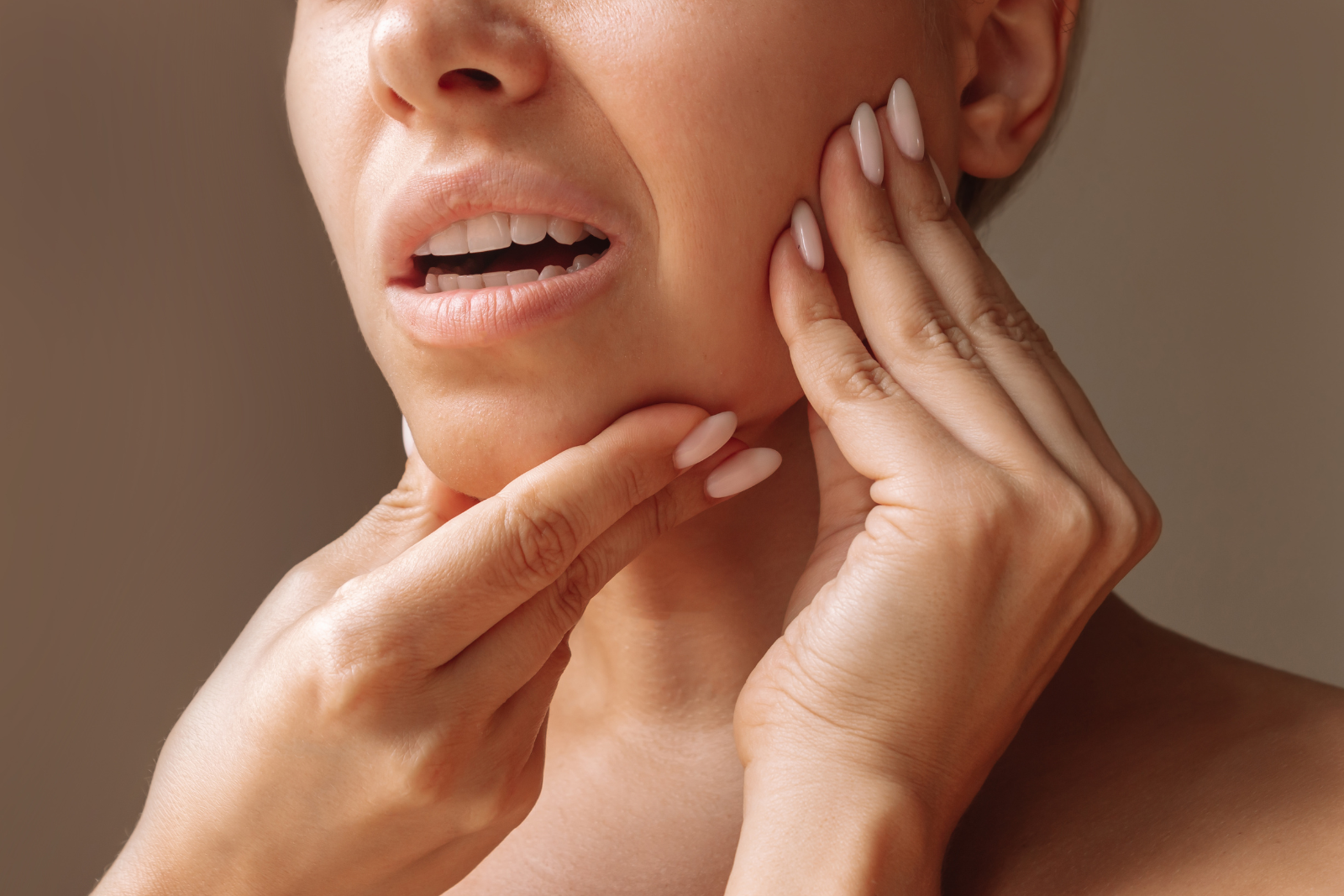
As a common and highly disruptive musculoskeletal issue, a clicking or popping jaw can cause a great deal of discomfort and frustration. It is a condition that affects people from all walks of life, from those who notice a mild click while chewing to individuals experiencing severe pain, locked jaw, or chronic headaches. This fact sheet is designed to provide you with a comprehensive overview of why your jaw clicks, its common underlying causes, and how chiropractic care may offer an effective, non-invasive path to recovery.
In this article, Dr. Simon Nash (Chiropractor) discusses the various causes of jaw clicking, the mechanics of the temporomandibular joint, and the different approaches a chiropractor might take to help relieve these symptoms.
Please note: The information provided in this article is for general knowledge and informational purposes only, and does not constitute medical advice. It is essential to consult with a qualified healthcare professional for a diagnosis and personalised treatment plan.
Table of Contents
- Understanding the TMJ and Why Your Jaw Clicks
- Common Causes of TMJ Dysfunction
- The Chiropractic Approach to Jaw Clicking
- Complementary and Co-Management Strategies
- Frequently Asked Questions (FAQs)
- Book a Consult with Our Chiro Brisbane
- References
- Video Transcript
Understanding the TMJ and Why Your Jaw Clicks
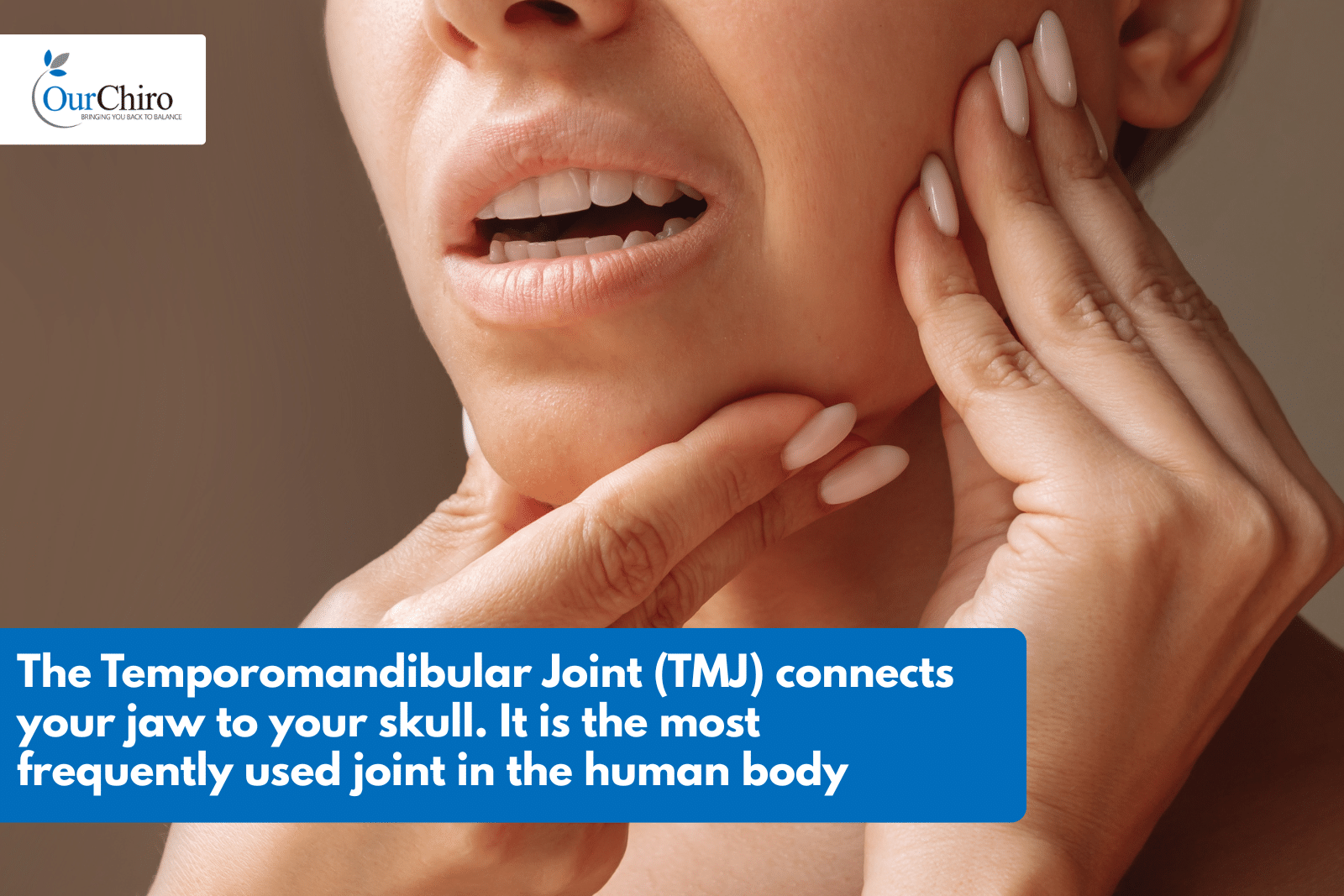
To understand why your jaw clicks, it is first necessary to look at the anatomy of the jaw joint. The joint responsible for this movement is the temporomandibular joint, commonly abbreviated as the TMJ. You have two of these joints, located on each side of your face just in front of your ears, connecting your lower jawbone (the mandible) to your skull.
The TMJ is one of the most complex, frequently used joint systems in the human body, acting like a sliding hinge that allows you to talk, chew, yawn, and swallow. To keep this movement smooth and to absorb shock, a small, flexible piece of cartilage called an articular disc sits between the condyle (the rounded end of the jawbone) and the skull socket.
“A question that we often get at the clinic is why does my jaw click?” notes Dr. Nash. “So your jaw is often associated or is associated with the part of your body called your TMJ. Typically what you’re hearing when you open or close your mouth and you’re getting a click, it’s from the disc.”
When the jaw functions normally, this disc moves smoothly back and forth with the jaw bone. However, if the joint becomes misaligned or the surrounding muscles become excessively tight, the disc can slip out of its proper position usually forward. When you open your mouth, the condyle slides forward and catches on the back edge of the displaced disc, causing it to suddenly “pop” or “snap” back into place. This structural displacement is what produces the audible click or physical sensation of popping.
“The clicking sound is essentially a biomechanical error inside the joint,” says Dr. Simon Nash (Chiropractor). “When the internal disc is displaced, the joint can no longer glide seamlessly. Every time you open or close your mouth, the jawbone is forced to override that misplaced disc, leading to that characteristic popping noise and, over time, progressive wear and tear.”
Common Causes of TMJ Dysfunction
TMJ dysfunction (TMD) rarely arises from a single, isolated factor. Instead, it is usually the result of a combination of structural alignment issues, muscular imbalances, and lifestyle habits. Dr. Nash highlights several primary contributors to this condition:
1. Trauma and Physical Injury
A direct physical impact to the face, chin, or side of the head can immediately alter the structural alignment of the jaw. This includes acute injuries such as sporting impacts, car accidents, or a heavy fall. “There’s lots of different reasons why your jaw may click. So it can be from trauma,” explains Dr. Nash. “For example, you can have a direct hit to the jaw.” Such trauma can tear or stretch the delicate ligaments holding the articular disc in place, forcing it out of alignment.
2. Teeth Grinding and Jaw Clenching (Bruxism)
Many people unconsciously grind their teeth or tightly clench their jaw. This habit, known as bruxism, frequently occurs during sleep or during high-stress situations throughout the day. “People will grind their teeth or clench their jaw,” says Dr. Nash. “So that puts a lot of pressure up through the TMJ.” The constant, heavy loading stresses the joint capsules and fatigues the masticatory (chewing) muscles, making disc displacement far more likely.
3. Muscular Imbalances and Posture
The muscles surrounding the jaw, particularly the masseter, temporalis, and pterygoid muscles, work in delicate harmony to balance the jaw. If one side becomes tighter than the other often exacerbated by poor cervical spine posture or slouching the jaw is pulled unevenly to one side when opening, causing long-term mechanical strain on the TMJ disc.
The Chiropractic Approach to Jaw Clicking
Because the TMJ is intimately linked to the upper cervical spine (neck) and the nervous system, chiropractic care provides an excellent, non-invasive method for managing TMJ dysfunction. Clinical research supports conservative physical therapies for managing these conditions. A systematic review published in the Journal of Manipulative and Physiological Therapeutics demonstrated that manual therapies, including jaw mobilisations and myofascial release, are highly effective at reducing pain and improving maximum jaw opening for patients suffering from TMD (Calixtre et al., 2015).
At Our Chiro Brisbane, a treatment plan is tailored specifically to the presentation of the individual, rather than relying on a one-size-fits-all adjustment.
Relieving Muscle Tension
The deep muscles of the jaw, particularly the lateral and medial pterygoid muscles, are frequently the culprits behind a tracking issue. Dr. Nash utilises advanced soft tissue techniques to target these areas directly. “The way we would typically treat that is… we can do some active release technique through the pterygoid muscles in the jaw to help reduce that pain,” Dr. Nash states. By releasing these deep, spasmed muscles internally or externally, the tension pulling the disc out of alignment is minimised.
Restoring Joint Mobility
If the jaw or the upper neck joints are restricted, it alters how the jaw opens. Chiropractors use gentle, controlled mobilisations around the jaw joint and upper neck to restore fluid, symmetrical motion. “We might do mobilisations around the TMJ, around the jaw,” explains Dr. Nash.
Additionally, managing any local swelling is crucial for long-term comfort. A study in the Journal of Physical Therapy Science highlights how low-level laser therapy combined with manual therapies significantly speeds up tissue repair and down-regulates pain in patients with joint disorders (Shukla, D. et al., 2016). Dr. Nash reinforces this approach: “Obviously if it was more traumatic, we would just treat the inflammation around the jaw.”
“Our ultimate clinical focus isn’t just about stopping the noise,” clarifies Dr. Simon Nash (Chiropractor). “It is about restoring symmetrical function to the entire craniomandibular system so that your muscles, joints, and spine are working together without overcompensating.”
Complementary and Co-Management Strategies
Resolving TMJ issues permanently often requires a holistic, multidisciplinary approach. Because stress and nocturnal habits play such a significant role, dental co-management is frequently incorporated into chiropractic care plans.
“Sometimes a patient might see a dentist to get a bruxism plate or a plate to help them stop grinding,” Dr. Nash explains. “So basically we would give them techniques to help reduce the amount of pressure that’s going through the TMJ.” Combining a protective dental splint with manual chiropractic therapy ensures that while the teeth are protected at night, the joint mechanics and muscle lengths are actively corrected during the day.
Frequently Asked Questions (FAQs)
Q1: Is a clicking jaw dangerous if it doesn’t hurt? A: While a painless click may not require immediate emergency care, it does indicate that the structural disc inside your joint is not tracking properly. Over time, this uncorrected mechanical error can lead to joint degeneration, increased wear and tear, and subsequent pain.
Q2: How can a neck issue affect my jaw? A: The nerves and muscles of the neck are closely interconnected with the jaw. Poor neck posture (like forward head posture) pulls on the muscles under the chin, forcing the jaw to sit backwards and placing constant, abnormal stress on the TMJ.
Q3: What can I do at home to help my jaw click? A: Avoid chewing gum, eating excessively hard foods, or opening your mouth too wide (such as when yawning). Applying a warm compress to the side of the face can also help relax tight chewing muscles.
Q4: Will a chiropractor ‘crack’ my jaw to fix it? A: No. TMJ treatments are generally very gentle and focus primarily on precise joint mobilisations, soft-tissue therapies (like Active Release Technique), and carefully targeted neck care rather than heavy, high-velocity adjustments to the jaw itself.
Q5: How many treatments will it take to stop my jaw from clicking? A: This depends on whether the cause is acute trauma or chronic grinding. Chronic issues that have persisted for years may take several weeks of consistent care, active soft-tissue release, and specific home rehabilitation exercises to fully stabilise.
Q6: Can stress make my jaw clicking worse? A: Yes, absolutely. Stress is a primary trigger for bruxism (clenching and grinding your teeth). This increased psychological tension manifests physically in the masseter and pterygoid muscles, rapidly exacerbating TMJ symptoms.
Book a Consult with Our Chiro Brisbane
We understand how incredibly exhausting it can be to live with TMJ dysfunction. Dealing with a constant, uncomfortable click every single time you eat dinner, talk to a colleague, or simply yawn can completely take the enjoyment out of your daily routine. It can feel deeply frustrating when that tension begins creeping up into your temples, turning into persistent tension headaches that leave you feeling drained by the afternoon.
At Our Chiro Brisbane, we are dedicated to helping you find lasting relief and getting your jaw moving smoothly again. Our experienced team will look beyond just the symptoms, thoroughly examining your jaw mechanics, muscle balance, and cervical spine alignment to identify the exact root cause of your discomfort.
Whether you need targeted care via our Chiropractic Services or want to combine it with specialised soft tissue work through our Massage Therapy Services, we will tailor an evidence-based plan designed to relieve your pain, restore proper function, and help you live without the constant distraction of a clicking jaw.
Take the first step towards a comfortable, pain-free life. Book an appointment with Our Chiro Brisbane today or call (07) 3257 0399
References
Calixtre, L. B., Moreira, R. F., Franchini, G. H., Alburquerque-Sendín, F., & Oliveira, A. B. (2015). Manual therapy for the management of pain and limited range of motion in subjects with signs and symptoms of temporomandibular disorder: A systematic review of randomised controlled trials. Journal of Oral Rehabilitation, 42(11), 847–861 https://doi.org/10.1111/joor.12321
Shukla, D. and Muthusekhar, M.R. (2016). Efficacy of low-level laser therapy in temporomandibular disorders: A systematic review. National Journal of Maxillofacial Surgery, [online] 7(1), pp.62–66. doi:https://doi.org/10.4103/0975-5950.196127.
Video transcript
A question that we often get at the clinic is why does my jaw click? So your jaw is often associated or is associated with the part of your body called your TMJ. So a lot of reasons. There’s lots of different reasons why your jaw may click. So it can be from trauma. So for example, you can have a direct hit to the jaw. Um, people will grind their teeth or clench their jaw. So that puts a lot of pressure up through the TMJ. So typically what you’re hearing when you open or close your mouth and you’re getting a click, it’s from the disc. So there’s a little disc inside the inside the TMJ inside the condyle of the jaw. So when you open your jaw, it flicks forward and can hit the disc. So the way we would typically treat that is we would give the patient some certain exercises. We might do mobilisations around the TMJ, around the jaw. Um, we can do some active release technique through the pterygoid muscles in the jaw to help reduce that pain. Um, sometimes a patient might see a dentist to get a bruxism plate or a plate to help them stop grinding. Um, so basically we would give them techniques to help reduce the amount of pressure that’s going through the TMJ. And obviously if it was more traumatic, we would just treat the inflammation around the jaw. So typically that’s why your jaw would click when there’s an issue with the TMJ or a little bit of TMJ dysfunction.
This blog post was written and approved by Dr Simon Nash
Dr Simon Nash (M.Chiro, B.Chiro Sci.) is a chiropractor with over 20 years of clinical experience. He is a full professional member of Sports Medicine Australia (SMA) and Chiropractic Australia, and is AHPRA registered (CHI0000970189). Simon graduated from Macquarie University and is dual-registered to practise in Australia and Hong Kong.
He began his career in a multidisciplinary neurology-focused clinic in Sydney, developing a strong interest in treating headaches and migraines. Since 2006, he has operated Our Chiro Brisbane, now alongside his sisters Jessica and Rebecca.
Simon treats everyday injuries, workplace rehabilitation cases and complex presentations using a wide range of techniques. His sports medicine experience spans elite athletes including NRL and Rugby Union players, Olympians, and events like the Australian Open and Hong Kong 7s. He has also treated Guns N’ Roses during tour.


Disclaimer:
The information provided in this blog is for general informational purposes only and is not intended as medical advice. It should not be used to diagnose, treat, or replace professional consultation with a qualified healthcare provider. Always seek the advice of a chiropractor, GP, or other qualified health professional regarding any medical condition or treatment.
Click here to learn more about our editorial policy, that explains how content is created, fact-checked, and updated by qualified chiropractors and other health professionals.