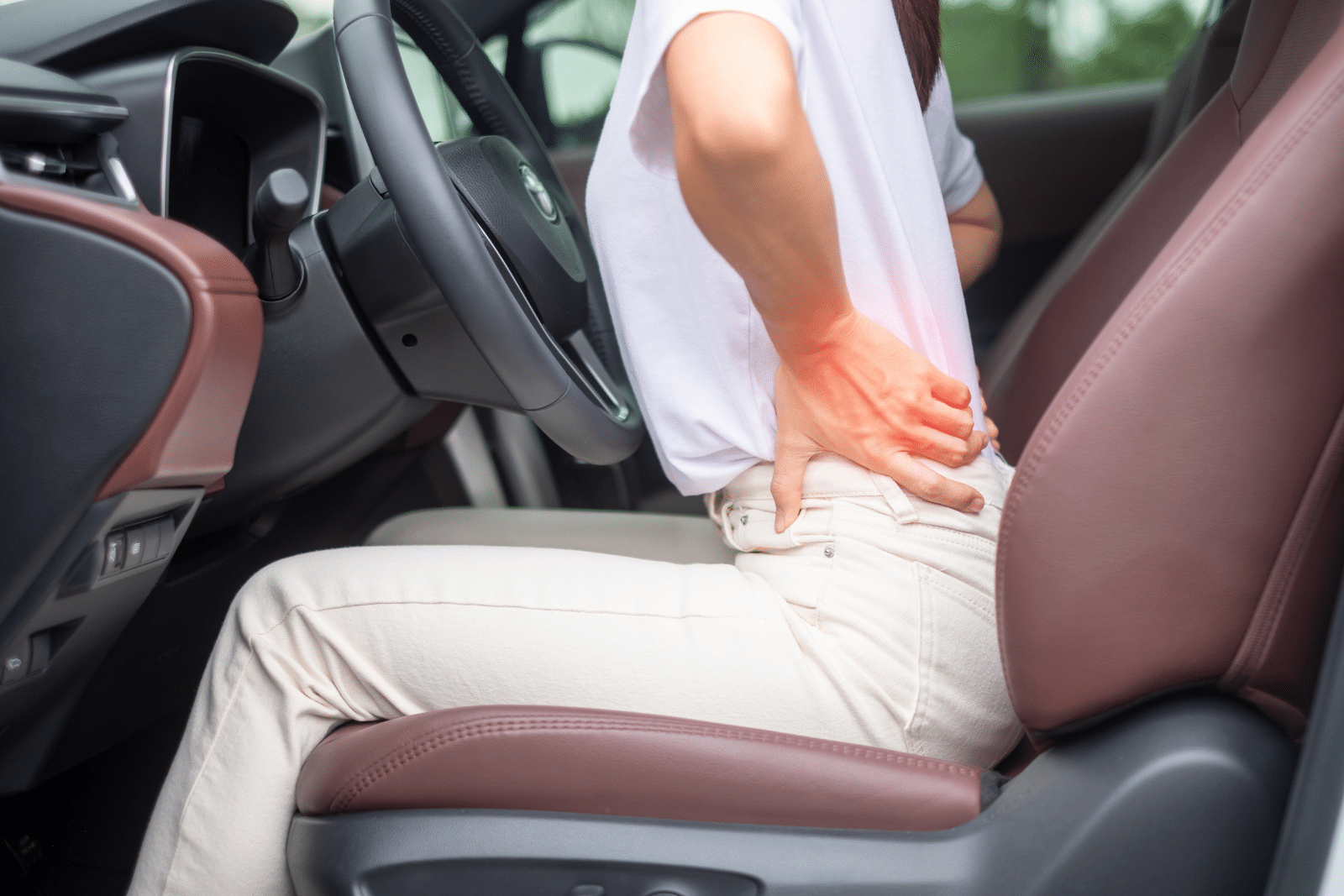
As a common and often debilitating condition, hip pain can significantly restrict your mobility and impact your quality of life. Whether it strikes during your morning walk, while sitting at your desk, or during a night’s sleep, hip discomfort affects people of all ages and activity levels. This fact sheet is designed to provide you with a comprehensive overview of the common causes of hip pain and how chiropractic care can offer a path to relief and recovery.
In this article, Dr. Simon Nash (Chiropractor) discusses the various causes of hip pain and the different non-invasive approaches a chiropractor might take to help relieve symptoms and restore movement.
Medical Disclaimer: The information provided in this article is for general knowledge and informational purposes only, and does not constitute medical advice. It is essential to consult with a qualified healthcare professional for a diagnosis and personalised treatment plan.
Table of Contents
- Understanding Hip Pain
- Common Causes of Hip Pain
- How Chiropractic Care Addresses Hip Pain
- The Path to Long-Term Recovery
- Frequently Asked Questions (FAQs)
- Book a Consult with Our Chiro Brisbane
- References
- Video Transcript
Understanding Hip Pain
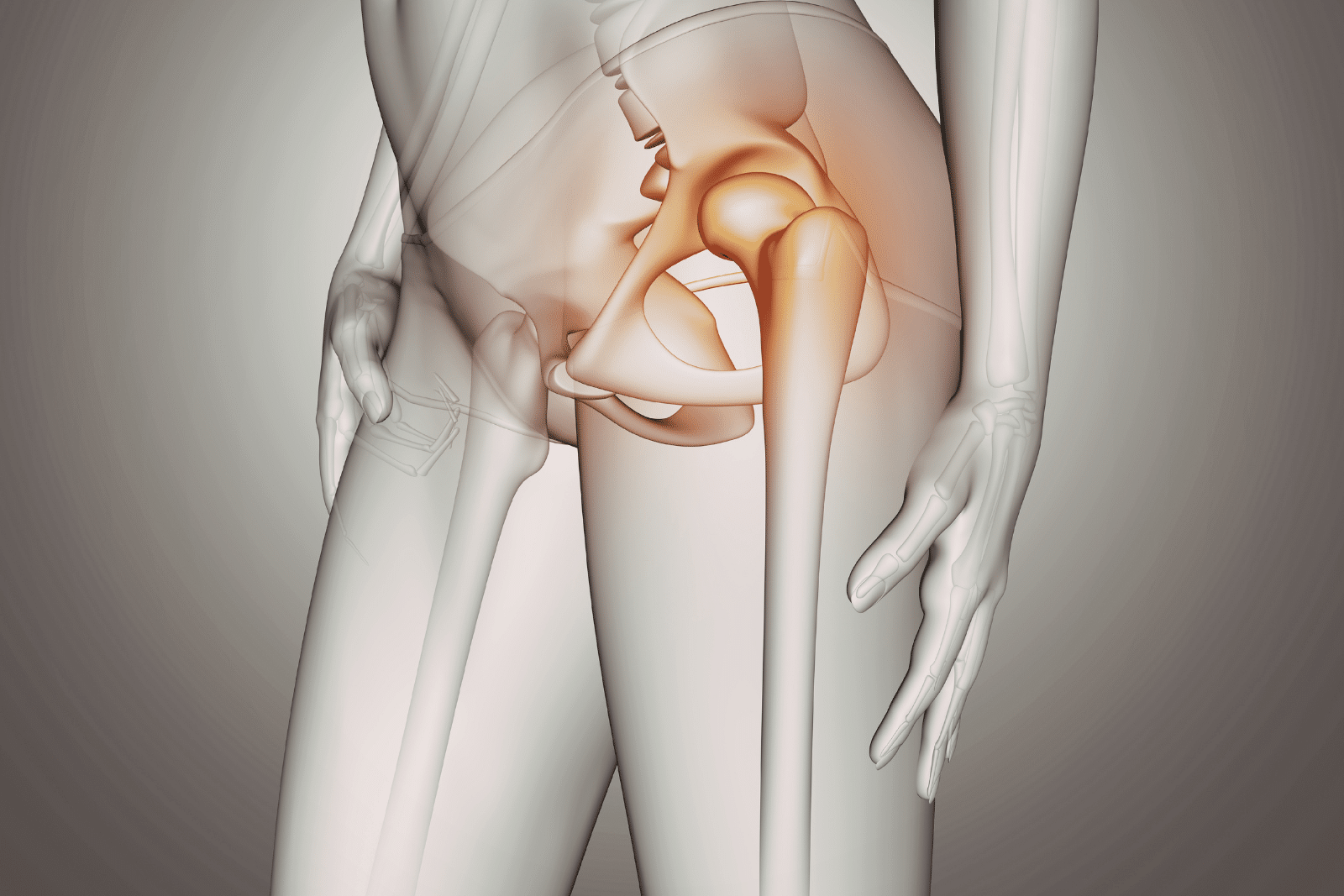
The hip is a robust, ball-and-socket joint designed to withstand repeated wear and tear. However, because it plays a central role in fluid body movement, the surrounding cartilage, muscles, ligaments, and tendons can become inflamed, strained, or structural components can become misaligned.
“What causes hip pain… is a question we often get at the clinic,” says Dr. Nash. “Hip pain can be caused by a whole range of different things. So the most important thing is when a patient comes in with hip pain is we need to work out where it’s coming from.”
When hip function is compromised, the body often compensates by altering your gait, which can lead to secondary issues in the lower back, knees, and ankles. Finding the true source of the discomfort is the critical first step in preventing a temporary ache from turning into a chronic obstacle.
Common Causes of Hip Pain
To treat hip pain effectively, a precise clinical assessment is required. Dr. Nash identifies several primary biomechanical culprits that frequently present in the clinic:
Impingement Syndrome (Femoroacetabular Impingement – FAI).
This occurs when the ball and socket of the hip joint do not fit together perfectly, causing abnormal friction during movement. Over time, this friction can damage the joint cartilage or the labrum.
Hip Bursitis.
Bursae are small, fluid-filled sacs that act as cushions between bones and overlying soft tissues. When the bursa on the outer point of the hip (the trochanter) becomes inflamed, it results in trochanteric bursitis, making lying on that side or walking highly painful.
Hip Flexor Problems.
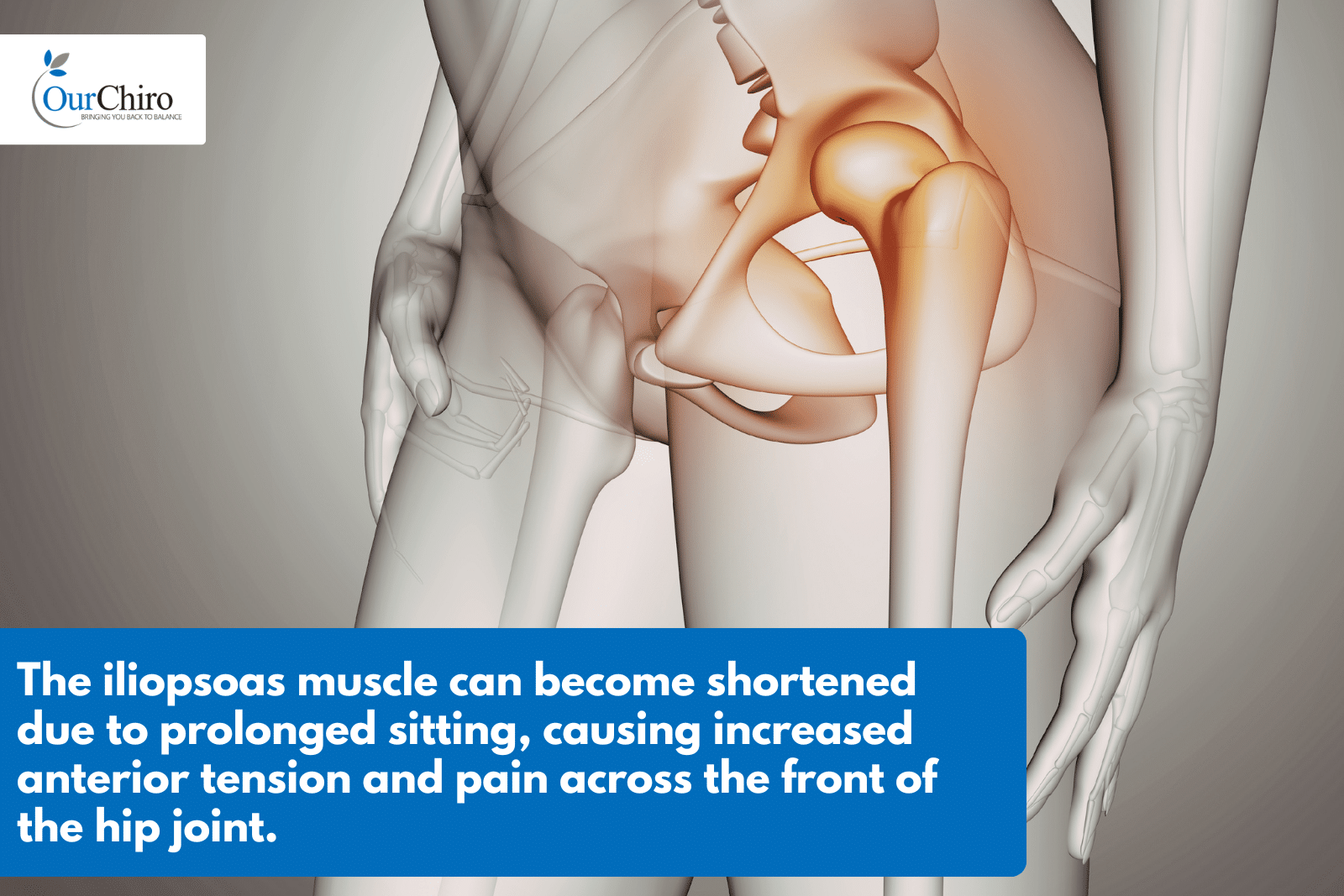
The hip flexors, particularly the psoas and iliopsoas muscles, are responsible for lifting your knee toward your chest. “You could have hip flexor problems such as the psoas or iliopsoas muscle,” Dr. Nash notes. Prolonged sitting or sudden athletic movements can cause these deep core muscles to become tight, short, and highly irritated.
Gluteal Tendinopathies.
The tendons of the gluteal muscles (the buttocks) attach to the side of the hip bone. Repetitive strain or poor pelvic alignment can cause these tendons to degenerate or become inflamed, leading to localised lateral hip pain.
Piriformis Syndrome.
The piriformis muscle sits deep in the buttock region. When it becomes tight or spasms, it can irritate not only the hip joint but also compress the nearby sciatic nerve, sending referring pain down the leg.
How Chiropractic Care Addresses Hip Pain
A chiropractor’s approach to treating hip pain is inherently multi-modal and tailored directly to the specific structural source of your pain. Peer-reviewed literature supports this holistic methodology. A study published in the Journal of Manipulative and Physiological Therapeutics demonstrated that manual therapies, including chiropractic adjustments and stretching, significantly improved range of motion and reduced pain scores for patients experiencing hip osteoarthritis and mechanical joint dysfunction (French et al., 2011).
Furthermore, research highlights that conservative musculoskeletal interventions are highly effective for managing soft tissue conditions like gluteal tendinopathy and bursitis, reducing the need for invasive corticosteroid injections (Mellor et al., 2018).
Dr. Nash outlines the diverse clinical toolkit utilised to restore structural function:
“Some of the treatment techniques that we would use for hip pain is obviously some active release techniques, some muscle work,” explains Dr. Nash. “We would use some dry needling in and around the areas in and around the muscles that are either overworking or overstimulated.”
By combining muscular release with skeletal corrections, chiropractic care looks at the body as an interconnected system.
The Path to Long-Term Recovery
Alleviating the immediate, sharp pain is only the first phase of management. To prevent future structural relapses, a chiropractor focuses heavily on restoring overall biomechanical balance.
“We would use some mobilisation techniques around the hip, potentially some traction,” says Dr. Nash. “We would also do some adjustments around that area as well.”
Following passive care in the clinic, patients are provided with targeted rehabilitation exercises. Strengthening the gluteal medius, core stabilisers, and improving pelvic symmetry ensures that when you return to your regular routine, the hip joint is robustly supported.
“Obviously with any type of hip pain, we want to work out where it’s coming from,” Dr. Nash concludes. “And then we would use a targeted approach using a lot of different musculoskeletal techniques to help get you out of pain.”
Frequently Asked Questions (FAQs)
Q1: Can a problem in my lower back cause my hip pain? A: Yes, absolutely. The nerves that supply the hip region originate in the lumbar spine. A misalignment, disc bulge, or joint irritation in the lower back can refer pain directly into the hip and groin area.
Q2: What is the difference between hip bursitis and hip arthritis? A: Hip bursitis is the inflammation of the fluid-filled sacs outside the joint, often causing pain when pressed or lying down. Hip arthritis involves the gradual wearing away of the cartilage inside the ball-and-socket joint itself, usually resulting in deep groin pain and stiffness.
Q3: Is walking good for hip pain? A: Gentle walking on flat surfaces can be beneficial as it promotes joint lubrication and blood flow. However, if walking causes a sharp increase in pain or causes you to limp, you should rest and have your hip evaluated.
Q4: How does dry needling help with hip pain? A: Dry needling targets myofascial trigger points—tight “knots” in overstimulated muscles like the piriformis or gluteals. By inserting a fine needle, it releases muscle tension, improves local circulation, and alleviates referred pain.
Q5: Should I use heat or ice for my hip pain? A: If the pain is sudden, sharp, or follows a recent minor injury (suggesting acute inflammation like bursitis), ice wrapped in a towel is best for the first 48 hours. For chronic stiffness, tight hip flexors, or deep muscle aches, heat can help relax the tissues.
Q6: Can poor footwear or flat feet cause hip pain? A: Yes. Your feet are the foundation of your posture. If your feet roll inwards (overpronation) or lack support, it forces your knees and hips to rotate abnormally, leading to repetitive strain and pain in the hip joint over time.
Book a Consult with Our Chiro Brisbane
We know how exhausting it is to live with persistent hip pain. It robs you of the simple joys of life whether that is playing with your kids on the floor, going for a morning run, or simply getting a restful night of uninterrupted sleep. Feeling restricted in your own body is incredibly frustrating, but you do not have to just “live with it.”
At Our Chiro Brisbane, our experienced team understands the intricate mechanics of the pelvic and hip complex. We listen to your story, conduct a comprehensive assessment to pinpoint the structural root of your discomfort, and design a personalised, gentle treatment plan to get you moving freely again.
If you are ready to move past the pain, we are here to support you. You can read more about our dedicated Chiropractic Services or find out how we incorporate targeted muscle work through our Dry Needling Services to accelerate your recovery.
Take the first step toward reclaiming your mobility. Book an appointment with Our Chiro Brisbane today or call (o7) 3257 0399
References
French, H. P., Brennan, A., White, B., & Cusack, T. (2011). Manual therapy for osteoarthritis of the hip or knee – A systematic review. Manual Therapy, 16(2), 109–117. https://doi.org/10.1016/j.math.2010.10.011
Mellor, R., Bennell, K., Grimaldi, A., Nicolson, P., Kasza, J., Hodges, P., Wajswelner, H., & Vicenzino, B. (2018). Education plus exercise versus corticosteroid injection use versus a wait and see approach on global outcome and pain from gluteal tendinopathy: prospective single blinded randomised clinical trial. BMJ, 361, k1662. https://www.bmj.com/content/361/bmj.k1662
Video Transcript
What causes hip pain. So it’s a question we often get at the clinic. Hip pain can be caused by a whole range of different things. So the most important thing is when a patient comes in with hip pain is we need to work out where it’s coming from. So some examples of hip pain. You could have an impingement syndrome, you could have bursitis, you could have hip flexor problems such as the psoas or iliopsoas muscle. You could have some glute tendinopathies. You could have piriformis syndrome. So it’s really important to work out where that hip pain is coming from. And then we can work out a way that we would treat it. So some of the treatment techniques that we would use for hip pain is obviously some active release techniques, some muscle work. We would use some dry needling in and around the areas in and around the muscles that are either overworking or overstimulated. We would use some mobilisation techniques around the hip, potentially some traction. We would also do some adjustments around that area as well. So obviously with any type of hip pain, we want to work out where it’s coming from. And then we would use a targeted approach using a lot of different musculoskeletal techniques to help get you out of pain.
This blog post was written and approved by Dr Simon Nash
Dr Simon Nash (M.Chiro, B.Chiro Sci.) is a chiropractor with over 20 years of clinical experience. He is a full professional member of Sports Medicine Australia (SMA) and Chiropractic Australia, and is AHPRA registered (CHI0000970189). Simon graduated from Macquarie University and is dual-registered to practise in Australia and Hong Kong.
He began his career in a multidisciplinary neurology-focused clinic in Sydney, developing a strong interest in treating headaches and migraines. Since 2006, he has operated Our Chiro Brisbane, now alongside his sisters Jessica and Rebecca.
Simon treats everyday injuries, workplace rehabilitation cases and complex presentations using a wide range of techniques. His sports medicine experience spans elite athletes including NRL and Rugby Union players, Olympians, and events like the Australian Open and Hong Kong 7s. He has also treated Guns N’ Roses during tour.


Disclaimer:
The information provided in this blog is for general informational purposes only and is not intended as medical advice. It should not be used to diagnose, treat, or replace professional consultation with a qualified healthcare provider. Always seek the advice of a chiropractor, GP, or other qualified health professional regarding any medical condition or treatment.
Click here to learn more about our editorial policy, that explains how content is created, fact-checked, and updated by qualified chiropractors and other health professionals.