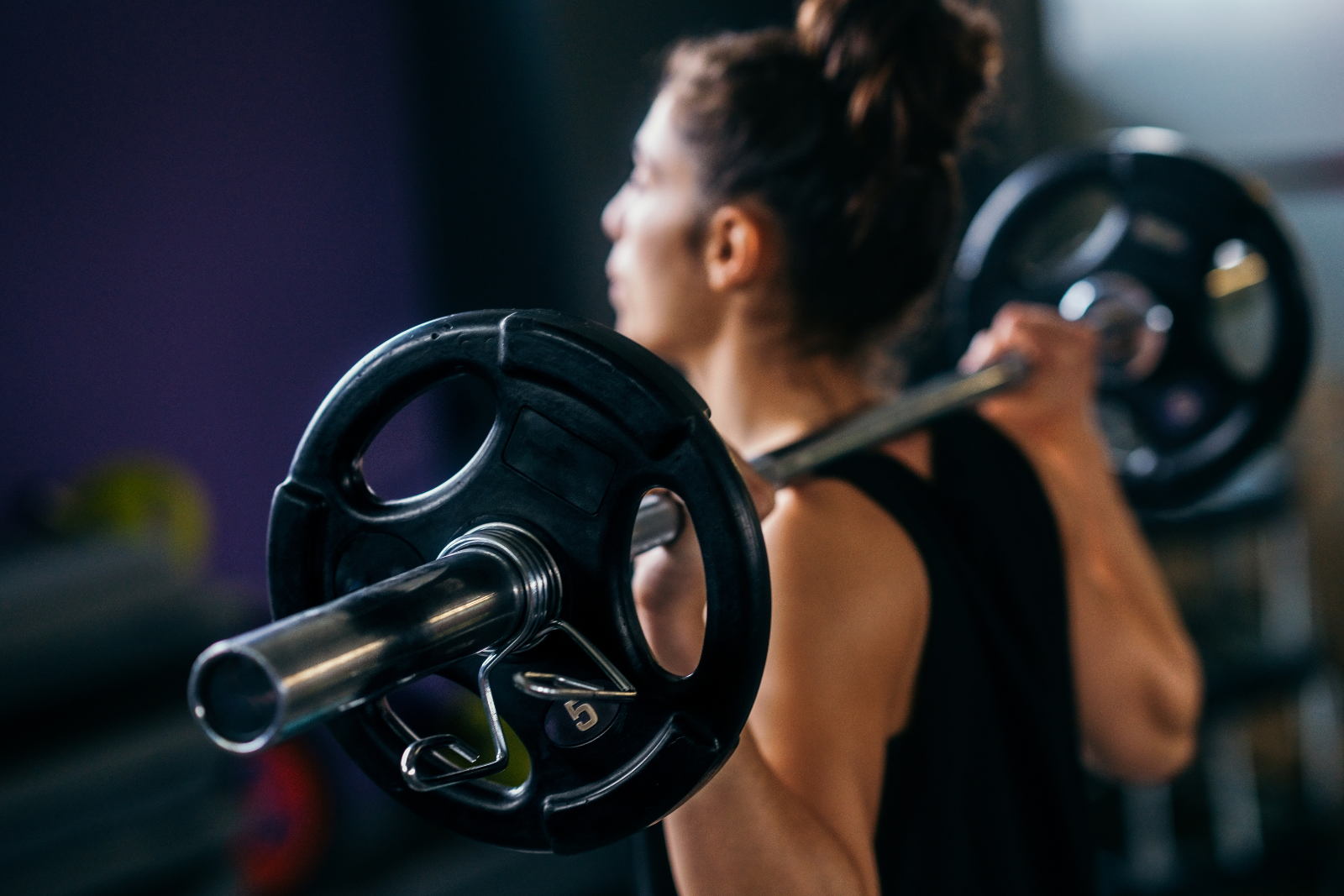
Going to the gym is an excellent way to boost your health, build strength, and feel your best. However, as more people hit the gym to improve their fitness, there is also a noticeable rise in exercise-related ailments. Whether it is an unexpected twinge in your lower back during a deadlift or a persistent ache in your shoulder after a bench press session, gym injuries can quickly stall your progress and impact your quality of life. Understanding why these injuries happen and how to address them is key to staying active and pain-free.
In this article, Dr Simon Nash (Chiropractor) discusses the common gym injuries seen in the clinic, why they occur, and how targeted chiropractic care can support your recovery and help prevent future setbacks.
Medical Disclaimer: The information provided in this article is for general knowledge and informational purposes only, and does not constitute medical advice. It is essential to consult with a qualified healthcare professional, such as the team at Our Chiro Brisbane, for an accurate diagnosis and a personalised treatment plan tailored to your specific condition.
Table of Contents
- The Rise of Gym Fitness and Overtraining
- Common Gym Injuries Explained
- The Impact of Muscle Imbalances and Poor Biomechanics
- The Chiropractic Approach to Gym Recovery
- Frequently Asked Questions (FAQs)
- Book a Consult with Our Chiro Brisbane
- References
- Video Transcript
The Rise of Gym Fitness and Overtraining
Gym training has experienced a massive renaissance, with more people prioritising their physical health than ever before. While lifting weights, functional training, and cardio sessions offer immense benefits, pushing your body too hard without adequate preparation or recovery can lead to problems.
“Gyms are going through a bit of a renaissance period at the moment, which is fantastic,” notes Dr Simon Nash (Chiropractor). “People are out there in gyms training all the time and it’s a great part of life. We see a lot of different types of injuries, usually to do with overuse, poor technique, or overtraining.”
When you subject your muscles and joints to repetitive stress without giving them time to repair, microtrauma builds up. Over time, this overuse manifests as acute pain or chronic dysfunction, turning a positive lifestyle habit into a source of physical frustration.
Common Gym Injuries Explained
Gym-related injuries generally stem from a combination of excessive load, fatigue, and incorrect form. When technique slips, the stress of the weight shifts away from the target muscles and onto vulnerable joints, ligaments, and nerves.
1. Lower Back Injuries & Disc Bulges
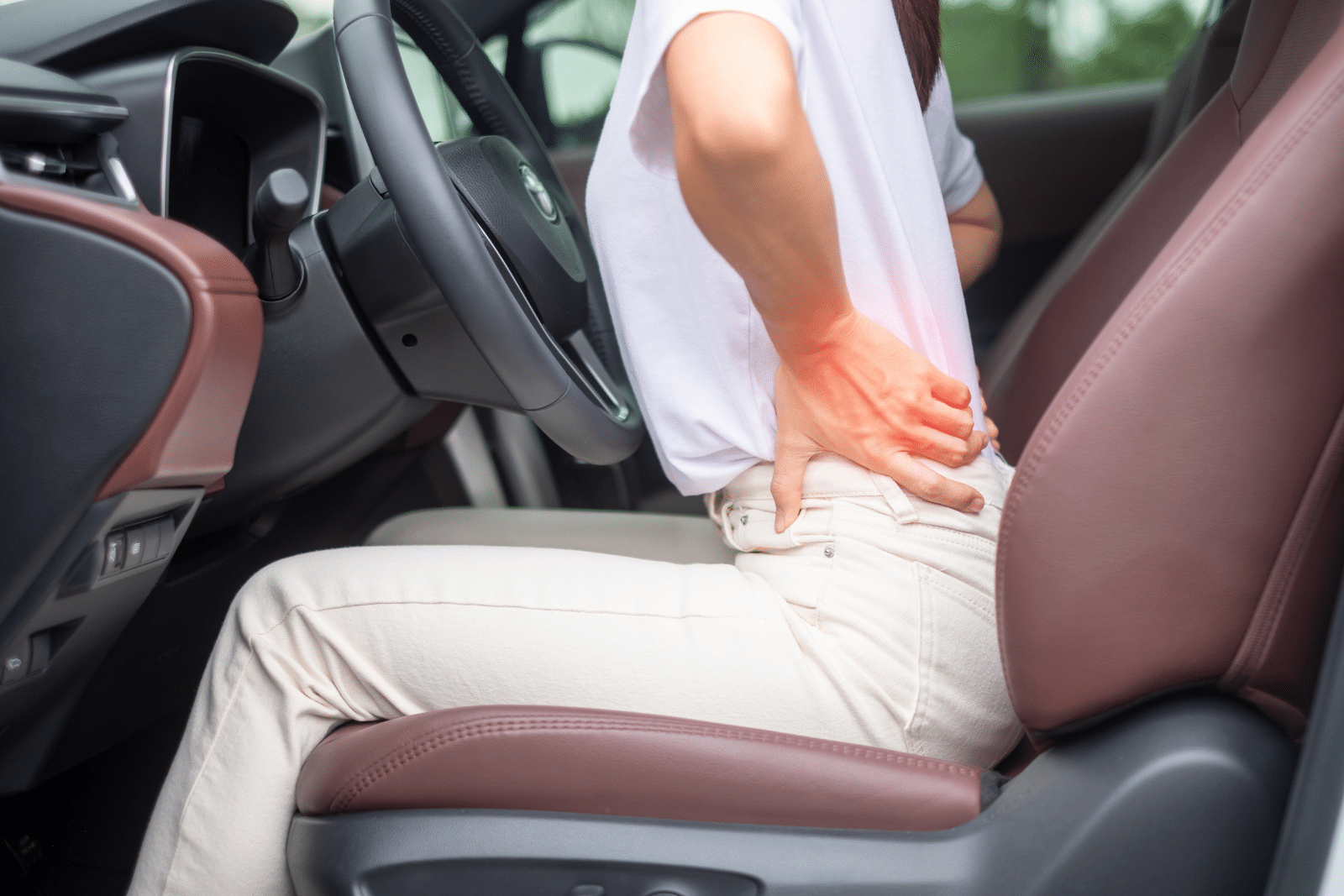
The lower back acts as the powerhouse and stabiliser for countless compound movements, such as squats, deadlifts, and overhead presses. If the spine loses its neutral alignment under a heavy load, the spinal discs, the shock-absorbing pads between your vertebrae can suffer. A posterior-lateral bulge can pinch an adjacent nerve root, causing sharp, localised discomfort or radiating pain down the leg.
2. Piriformis Syndrome
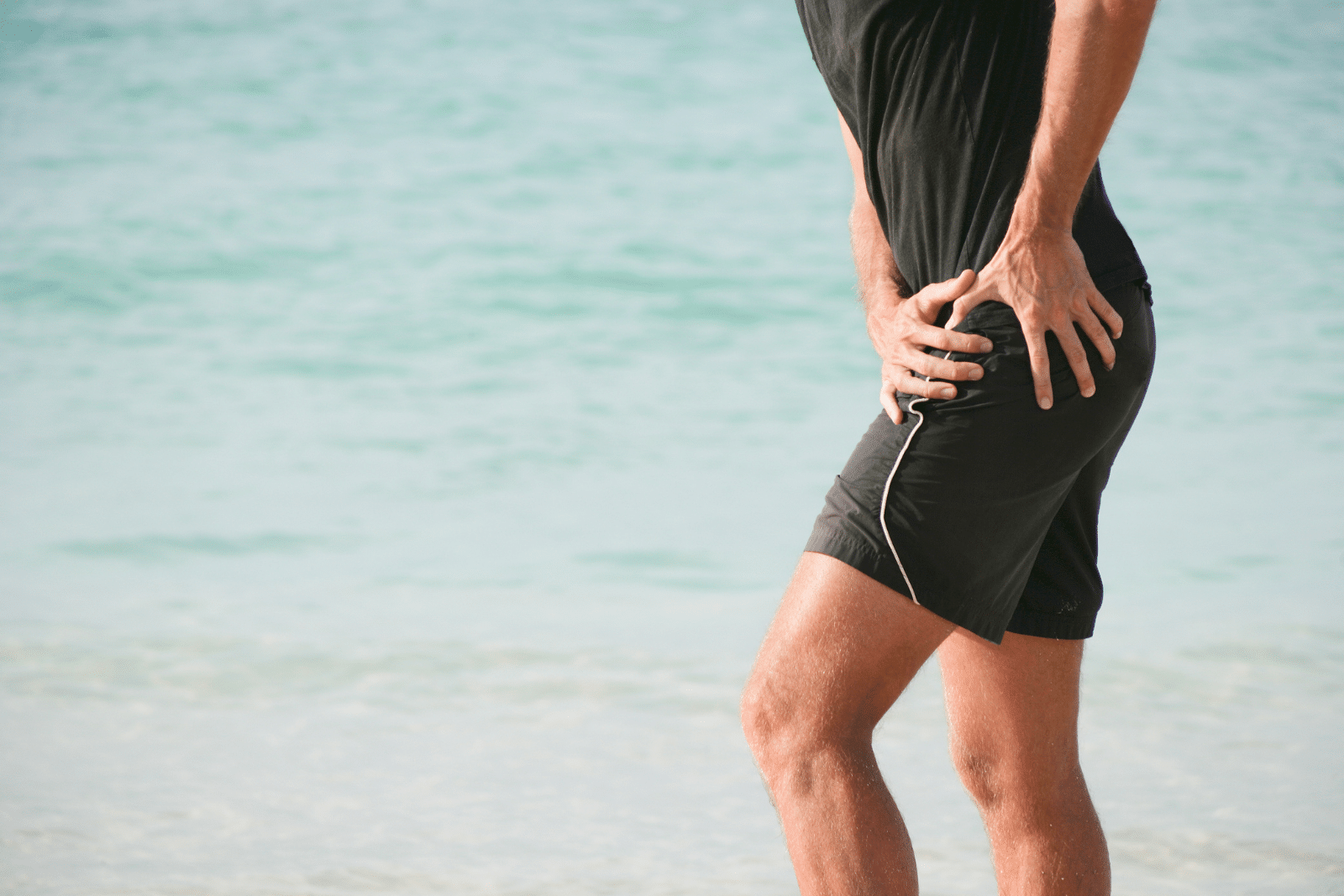
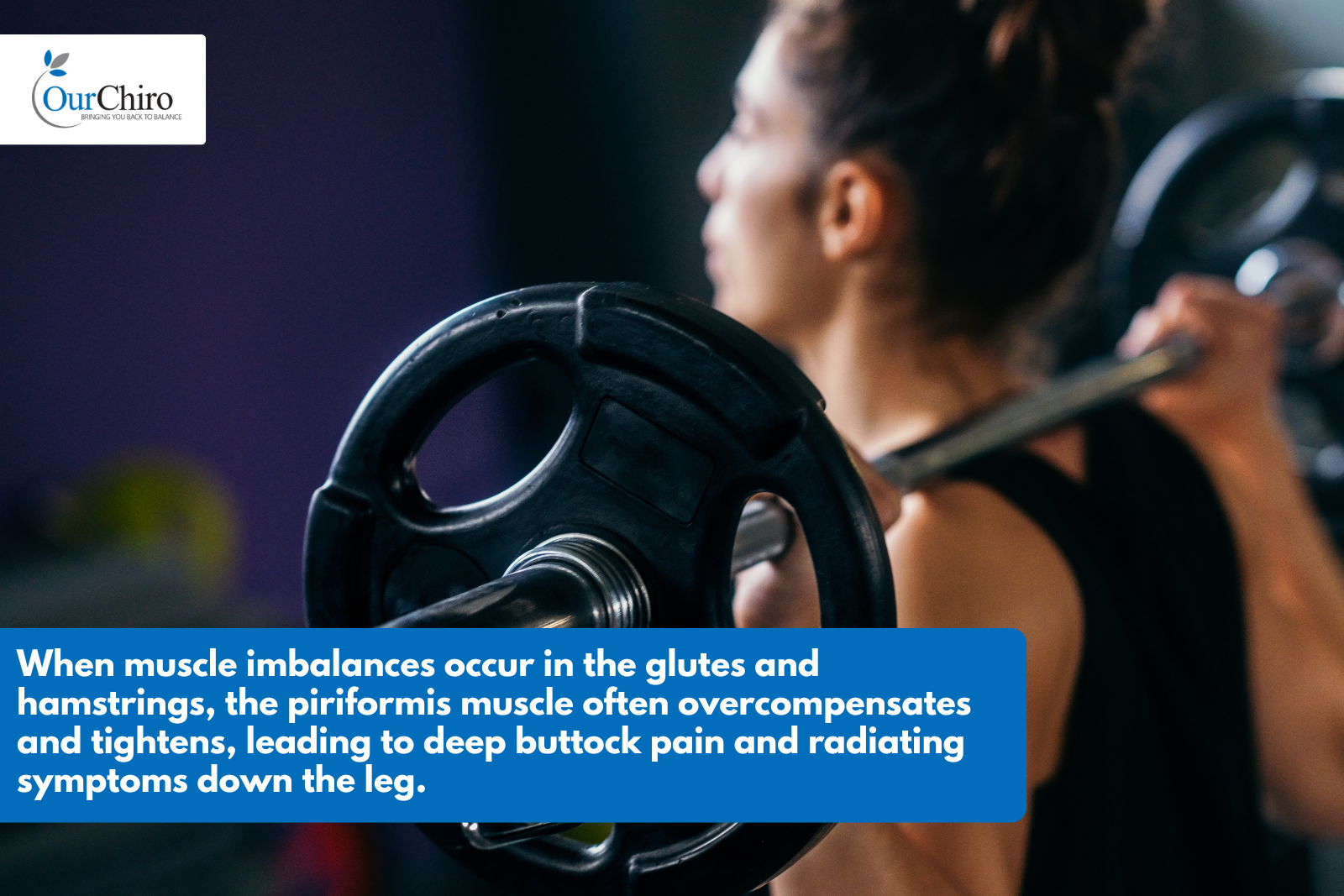
Deep within the gluteal region lies the piriformis muscle. When subjected to sudden strain or structural overload from improper squatting mechanics, this muscle can spasm and tighten. Because the sciatic nerve runs directly beneath or through the piriformis, an inflamed muscle compresses the nerve, triggering deep buttock pain and sciatica-like symptoms.
3. Shoulder, Elbow, and Upper Body Strains
Repetitive pressing movements, heavy rows, and improper pulling angles frequently stress the rotator cuff muscles in the shoulder and the tendons surrounding the elbow (such as tennis or golfer’s elbow). These overuse injuries often start as a mild ache but can develop into persistent tendinopathy if the movement pattern isn’t corrected.
The Impact of Muscle Imbalances and Poor Biomechanics
Many gym enthusiasts focus heavily on the muscles they can see in the mirror (the anterior chain), like the chest and quads while neglecting the posterior chain, such as the glutes and hamstrings. This structural asymmetry alters your movement patterns, leading to poor biomechanics.
Dr Nash emphasises that structural balance is vital for injury prevention:
“At the clinic, we see a lot of injuries to do with overtraining or poor technique. We might see disc bulges, things such as piriformis syndrome, and we frequently observe muscle imbalances in and around the glutes and around the hamstrings.”
When your glutes aren’t firing correctly during a lift, your lower back and hamstrings are forced to pick up the slack. This secondary compensation overworks those tissues, leaving them highly susceptible to acute strains or structural failure.
The Chiropractic Approach to Gym Recovery
Recovering from a gym injury requires more than just resting on the couch until the pain subsides; it involves restoring proper alignment, improving tissue mobility, and correcting the underlying movement flaws. A comprehensive review published in the Journal of Manipulative and Physiological Therapeutics demonstrates that manual therapy and spinal manipulation significantly improve joint mobility and reduce pain in patients suffering from acute musculoskeletal injuries. (McMorland et al., 2010)
Furthermore, research highlighted in the Journal of Bodywork and Movement Therapies confirms that targeted myofascial release and active soft tissue therapies are highly effective at correcting muscle imbalances and restoring normal biomechanical function. (Ajimsha et al., 2014)
At Our Chiro Brisbane, treatment plans are tailored to the specific injury and the patient’s individual biomechanics. Dr Nash outlines the versatile strategies used to get athletes back to peak performance:
“There’s lots and lots of different ways to treat those,” Dr Nash explains. “Whether it be through active muscle release, whether it be through dry needling, mobilisations, adjustments, or kinesio taping or rigid taping to help reduce the poor biomechanics of that and get the patient back to the gym and training again.”
- Spinal Adjustments & Mobilisations: By restoring proper motion to restricted spinal segments, adjustments reduce mechanical stress on neighboring discs and joints.
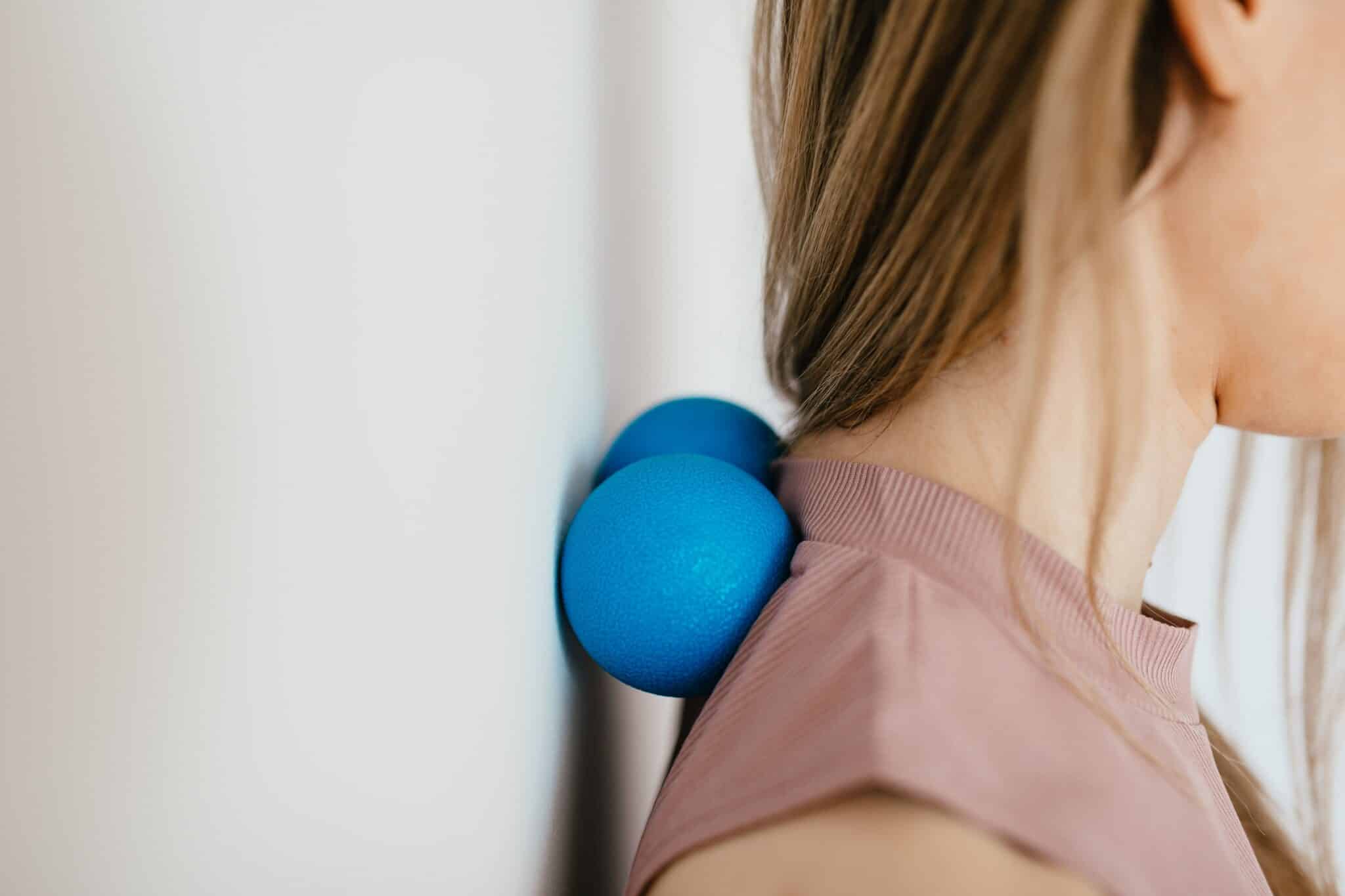
- Active Muscle Release & Soft Tissue Therapy: Targeted pressure relaxes hypertonic (overly tight) muscles, such as a spasming piriformis, freeing entrapped nerves and improving local circulation.
- Dry Needling: Inserting fine needles into myofascial trigger points helps release deep muscular tension, alleviate local pain, and accelerate tissue healing.
- Kinesio Taping & Rigid Taping: Taping provides external structural support to vulnerable joints and offers tactile feedback, helping you maintain ideal biomechanics during movement.
- Rehabilitation Exercises: Custom corrective exercises strengthen weak muscle groups (like the glutes) to eliminate imbalances and protect your body against future strain.
Frequently Asked Questions (FAQs)
Q1: Can I keep training at the gym if I have a minor injury? A: It depends on the severity and type of injury. While total bed rest is rarely ideal, continuing to lift heavy weights through sharp pain will worsen the damage. We often recommend modifying your routine reducing the load, altering the range of motion, or switching to low-impact exercises while your body heals.
Q2: What is the difference between normal muscle soreness and an injury? A: Delayed Onset Muscle Soreness (DOMS) typically feels like a dull, symmetrical ache in the muscle belly that peaks 24 to 48 hours after a workout and improves with gentle movement. An injury often causes sharp, stabbing, or radiating pain, is localised to one side or a specific joint, and is frequently accompanied by swelling, numbness, or restricted movement.
Q3: How do muscle imbalances in the glutes cause lower back pain during squats? A: If your glutes are weak or failing to activate properly, they cannot efficiently drive you up from the bottom of a squat. To compensate, your body shifts the load forward, forcing your lower back muscles and lumbar spine to endure excessive shear force, which can lead to strains or disc bulges.
Q4: How does dry needling help with gym injuries? A: Dry needling targets specific trigger points—highly irritable spots within a taut band of muscle filament. By gently stimulating these points, the treatment triggers a local twitch response that relaxes the muscle fibres, improves local blood flow, and reduces the chemical irritation causing the pain.
Q5: Is it better to use rigid taping or Kinesio taping for a joint strain? A: It depends on the goal. Rigid taping is used to restrict joint movement and provide strong mechanical support (often used for unstable ankles or shoulders). Kinesio taping is highly elastic; it allows full movement while gently lifting the skin to improve lymphatic drainage, reduce swelling, and provide neurosensory feedback to optimise your form.
Q6: How long does it typically take to recover from an overuse gym injury? A: Mild soft tissue strains or minor overuse issues can resolve within 1 to 3 weeks with appropriate care and modified training. More severe structural problems, such as significant disc bulges or chronic tendinopathies, require a structured rehabilitation program that can take 6 to 12 weeks to achieve full recovery and resilience.
Book a Consult with Our Chiro Brisbane
We understand how frustrating it is to be sidelined by an injury when you are deeply committed to your health and fitness goals. Watching your hard-earned gym progress stall due to persistent back, shoulder, or hip pain can leave you feeling disheartened and anxious about returning to the gym floor. You don’t have to navigate this recovery process alone, nor should you have to simply “push through the pain.”
At Our Chiro Brisbane, our dedicated team specialises in identifying the root biological and biomechanical causes of your gym injuries. Whether you require specific Chiropractic Treatments to restore joint function, or advanced Low Level Laser Therapy to target deep tissue inflammation and accelerate your body’s natural healing response, we are here to support you. We will work alongside you to design a clear, practical path back to lifting, running, and moving with total confidence.
Take the first step toward a safe, pain-free return to your fitness routine. Book an appointment with Our Chiro Brisbane today or call (07) 3257 0399
References
McMorland, G., Suter, E., Casha, S., du Plessis, S. J., & Hurlbert, R. J. (2010). Manipulation or Microdiskectomy for Sciatica? A Prospective Randomized Clinical Study. Journal of Manipulative and Physiological Therapeutics, 33(8), 576–584. https://doi.org/10.1016/j.jmpt.2010.08.013
Ajimsha, M. S., Daniel, B., & Chithra, S. (2014). Effectiveness of Myofascial release in the management of chronic low back pain in nursing professionals. Journal of Bodywork and Movement Therapies, 18(2), 273–281. https://doi.org/10.1016/j.jbmt.2013.05.007
Video Transcript
At the clinic. We see a lot of people with common gym injuries. So gyms obviously going through a bit of a renaissance period at the moment, which is fantastic. People are out there in gyms training all the time and it’s a great part of life. We see a lot of different types of injuries, usually to do with overuse, poor technique, things such as low back injuries, shoulder injuries, elbow injuries. So when you’re at the gym, it’s really important to make sure that you’re not overtraining, that your technique is correct, that you don’t have poor biomechanics. Those type of things are really helpful with reducing injuries. At the clinic, uh, like I said, we would see a lot of injuries to do with, overtraining or poor technique. So we might see disc bulges, things such as piriformis syndrome. We would see muscle imbalances in and around the glutes, around the hamstrings. So there’s lots and lots of different ways to treat those, whether it be through active muscle release, whether it be through dry needling mobilizations, adjustments, uh, kinesio taping or rigid taping to help reduce the poor biomechanics of that and get the patient back to the gym and, and training
This blog post was written and approved by Dr Simon Nash
Dr Simon Nash (M.Chiro, B.Chiro Sci.) is a chiropractor with over 20 years of clinical experience. He is a full professional member of Sports Medicine Australia (SMA) and Chiropractic Australia, and is AHPRA registered (CHI0000970189). Simon graduated from Macquarie University and is dual-registered to practise in Australia and Hong Kong.
He began his career in a multidisciplinary neurology-focused clinic in Sydney, developing a strong interest in treating headaches and migraines. Since 2006, he has operated Our Chiro Brisbane, now alongside his sisters Jessica and Rebecca.
Simon treats everyday injuries, workplace rehabilitation cases and complex presentations using a wide range of techniques. His sports medicine experience spans elite athletes including NRL and Rugby Union players, Olympians, and events like the Australian Open and Hong Kong 7s. He has also treated Guns N’ Roses during tour.


Disclaimer:
The information provided in this blog is for general informational purposes only and is not intended as medical advice. It should not be used to diagnose, treat, or replace professional consultation with a qualified healthcare provider. Always seek the advice of a chiropractor, GP, or other qualified health professional regarding any medical condition or treatment.
Click here to learn more about our editorial policy, that explains how content is created, fact-checked, and updated by qualified chiropractors and other health professionals.