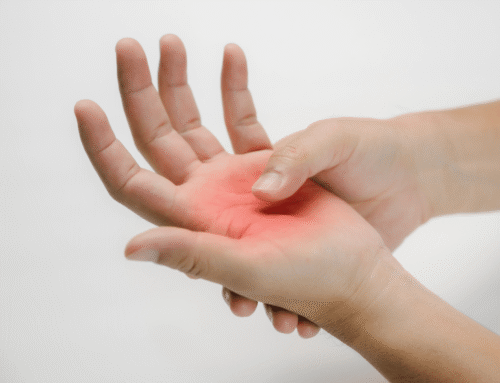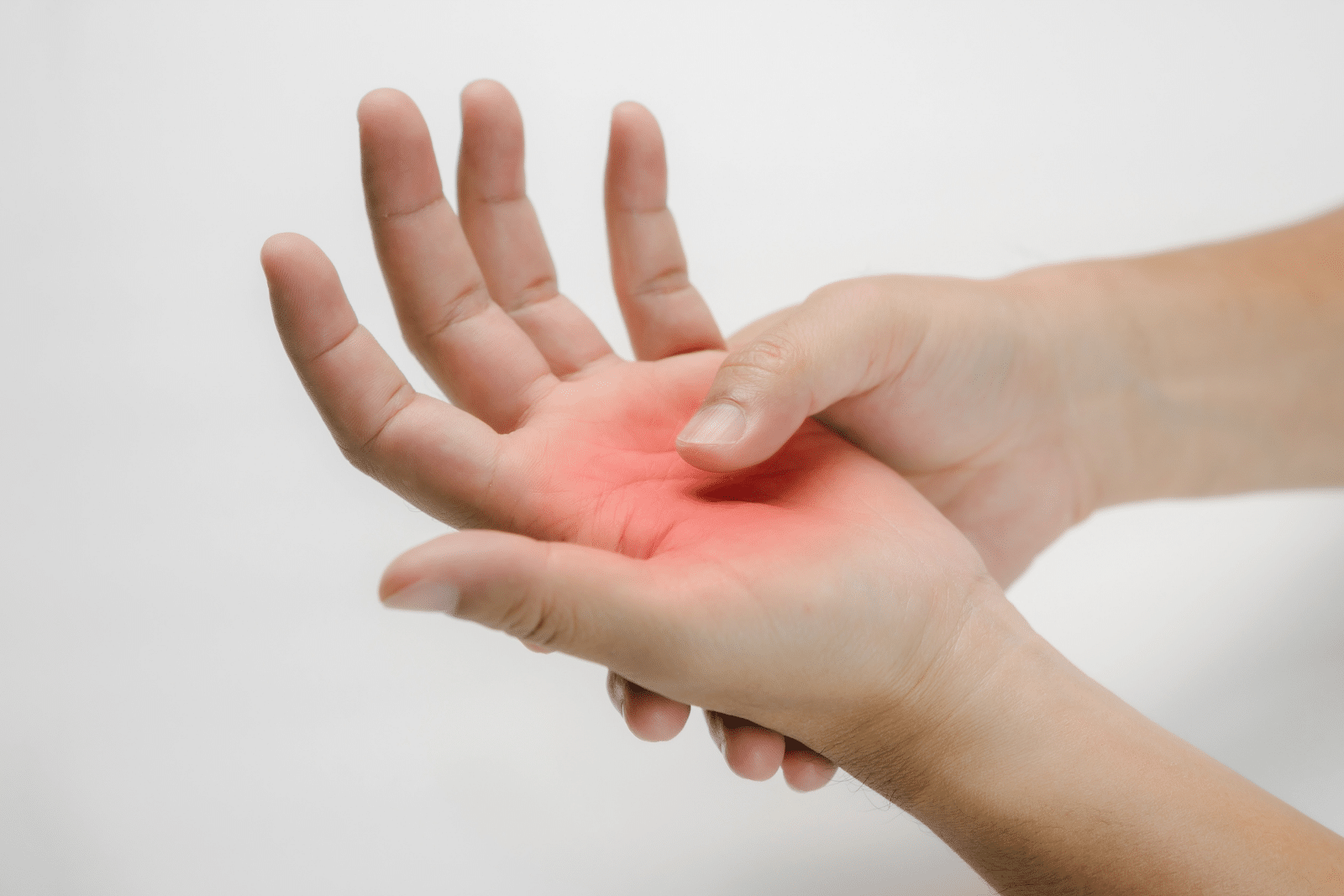
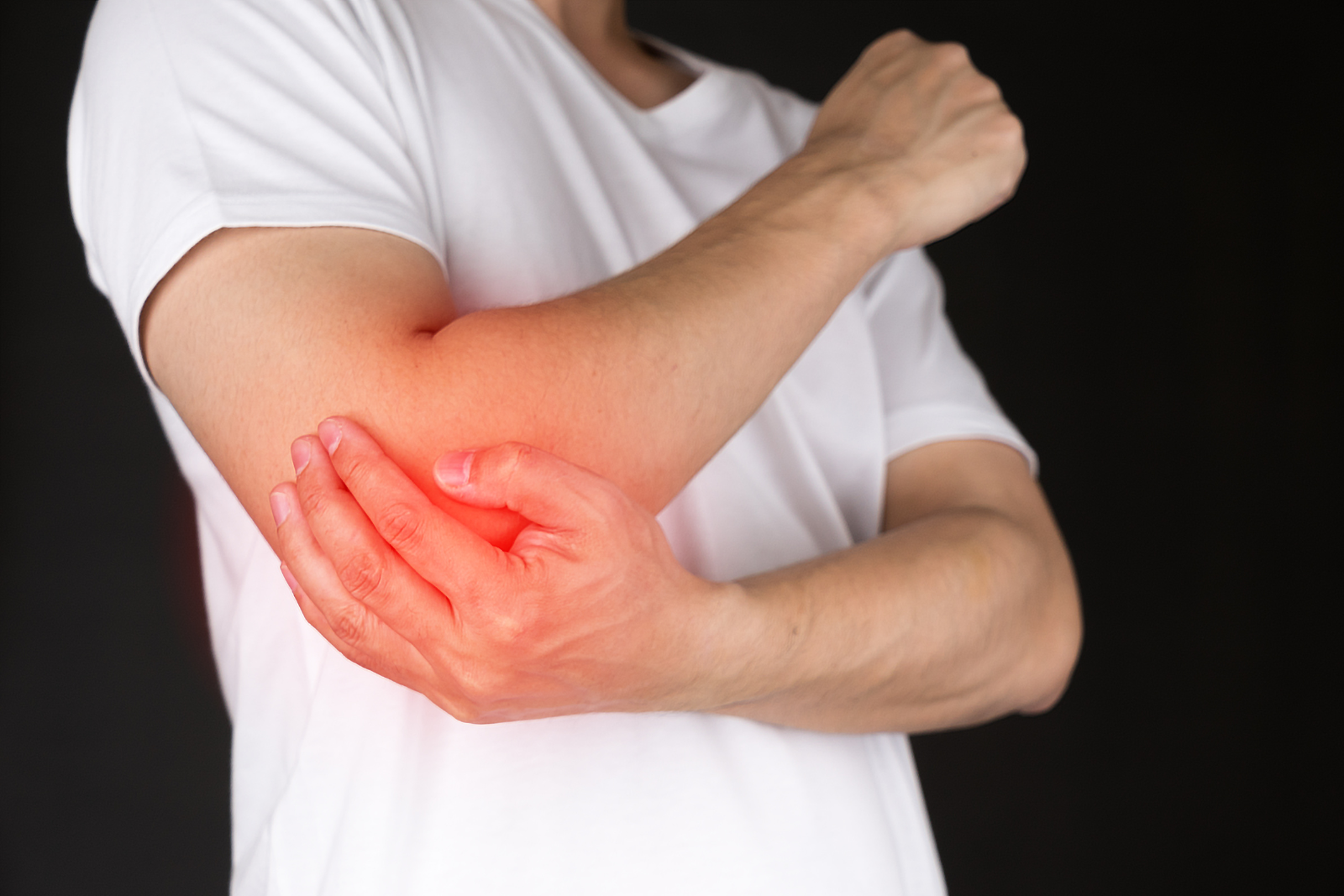
Persistent joint discomfort can turn simple daily tasks like reaching for a cup in the cupboard, typing on your keyboard, or hanging out the washing into a frustrating challenge. When joint pain strikes, two of the most common culprits are bursitis and tendonitis. While they feel remarkably similar, they affect completely different soft tissue structures in your body.
In this fact sheet, Dr Simon Nash (Chiropractor) discusses the core differences between bursitis and tendonitis, their underlying mechanisms, and how a multi-modal chiropractic approach can help soothe inflammation and restore your pain-free movement.
Please note: The information provided in this article is for general knowledge and informational purposes only, and does not constitute medical advice. It is essential to consult with a qualified healthcare professional for a diagnosis and personalised treatment plan.
Table of Contents
- What is Bursitis?
- What is Tendonitis?
- Key Differences: Bursitis vs Tendonitis
- The Chiropractic Approach to Inflammation and Joint Pain
- Frequently Asked Questions (FAQs)
- Book a Consult with Our Chiro Brisbane
- References
- Video Transcript
What is Bursitis?
A bursa is a tiny, fluid-filled sac that acts as a friction-reducing cushion between your bones and moving parts like muscles, skin, or tendons. Your body houses over 150 of these handy little shock absorbers near major joints like your shoulders, hips, elbows, and knees. Bursitis occurs when one of these protective sacs becomes irritated and fills with excess fluid, leading to local inflammation and sharp or aching pain.
Bursitis is an inflammation of the bursa,” explains Dr Nash. “A bursa is a fluid-filled sac that usually sits over a bony prominence… and it allows tendons to move over them to allow normal movement through the muscle.” The shoulder is a classic example. When a joint suffers from poor posture, structural misalignment, or repetitive overload, the surrounding muscles tighten up. This places immense physical pressure directly onto the bursa beneath the tendon. “[With] tendon bursitis, you end up with an inflammation of that little bursa,” says Dr Nash. “And it’s quite a painful little condition.”
What is Tendonitis?
While bursitis involves a protective cushion, tendonitis involves the dense, fibrous cords that attach your muscles directly to your bones. These tendons act as the mechanical cables that transmit the force of a muscle contraction to move your skeleton. Tendonitis is the acute inflammation or irritation of these structural cords. “Tendonitis is then obviously an inflammation of the tendon,” Dr Nash explains.
“Where you get microtrauma repetitive microtrauma around the tendon and where it inserts onto the bone or to the muscle end of the tendon.” This structural overload usually builds up progressively.
Whether it is an athlete altering their throwing technique or a worker performing the same lifting motion hundreds of times a day, repetitive strain creates microscopic tears in the tendon fibres. If the body isn’t given adequate time to repair these micro-tears, the local tissue becomes swollen, weak, and highly sensitive to touch. In the shoulder, the rotator cuff tendons and the bursa sit so close together that an overloaded tendon and an inflamed bursa frequently occur side by side.
Key Differences: Bursitis vs Tendonitis
Because your tendons and bursae are located directly alongside one another near your joints, separating the two conditions by feel alone can be incredibly difficult. Both present with localised pain, swelling, and stiffness that often intensifies when you try to move the joint or rest on it at night. However, understanding the exact structure at fault is critical for building a successful recovery plan.
“Two very different things,” notes Dr Nash. “But they’re still both inflammation-type conditions. So the bursa is inflamed or the tendon is inflamed, but two separate structures.”
The Chiropractic Approach to Inflammation and Joint Pain
When treating these conditions, a chiropractor focuses on taking the physical pressure off the irritated tissues so your body can initiate its natural healing response. If you only address the local inflammation without fixing the underlying movement problem, the pain is highly likely to return. Research into shoulder soft-tissue conditions supports this approach. A 2024 randomised controlled trial in Healthcare examined manual therapy combined with exercise for subacromial pain syndrome, a condition involving the bursa and rotator cuff tendons (Çelik & Tuncer, 2024). Chiropractors also commonly use non-invasive modalities, such as soft tissue therapy and dry needling, to manage persistent tendinopathies.
Decompressing the Bursa
For bursitis, our primary clinical goal is to remove the mechanical squeeze on the fluid sac.
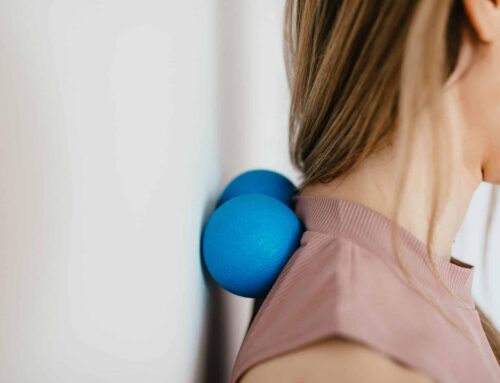
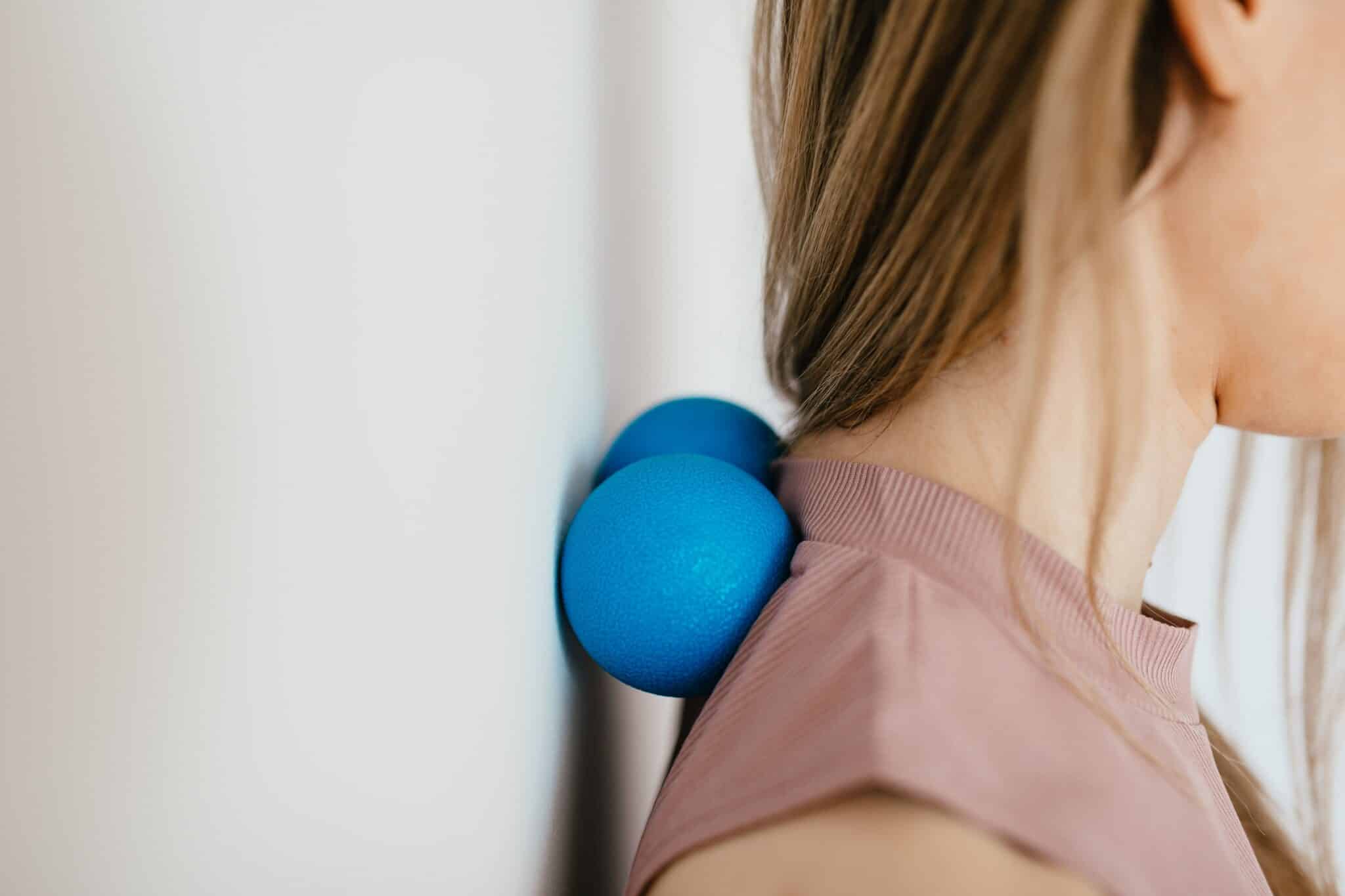
“Usually we treat it by taking away the pressure from that muscle of where that tendon then inserts over the bone and moves over the bursa,” says Dr Nash. “And we do that by dry needling the muscle, doing muscle release techniques.” By addressing overactive muscle groups with hands-on therapies, we relieve the downward compression on the bursa, giving the swelling a chance to subside.
Restoring Biomechanics and Healing Tendons
For tendonitis, we focus on identifying why the tendon was being overloaded in the first place. This often involves examining joint mobility above and below the injury site, correcting poor posture, and introducing tailored rehabilitation exercises.
“Effective recovery relies on precise physical management. By restoring proper movement patterns to the joints and combining it with soft tissue therapies, we can fundamentally alter the mechanical stress placed on your tendons and bursae.”— Dr Simon Nash (Chiropractor)
At Our Chiro Brisbane, we offer advanced, non-invasive therapies to support your recovery:
Dry Needling Therapy: This targeted approach involves inserting fine, sterile needles into hyperirritable muscle bands (trigger points). It helps release deep muscular tension, increase local blood flow, and reset muscle tone around an irritated joint.
Cold Laser Therapy (LLLT): This completely painless, non-invasive treatment uses specific wavelengths of light to stimulate cellular activity. It is particularly effective for stubborn, chronic tendon strains, working at a cellular level to decrease local inflammation and accelerate tissue repair without generating any heat.
Frequently Asked Questions (FAQs)
Q1: Can you have bursitis and tendonitis at the same time? A: Yes. Because bursae and tendons sit right next to each other, a biomechanical issue or repetitive strain that irritates a tendon can easily cause the adjacent bursa to become inflamed as well. This is especially common in the shoulder.
Q2: How long do bursitis and tendonitis take to heal? A: Acute cases may settle within a few weeks with proper rest and care. Chronic or long-standing cases can take anywhere from 6 to 12 weeks, as tendons have a limited blood supply which naturally slows down tissue regeneration.
Q3: Is heat or ice better for joint inflammation? A: For a brand-new flare-up or acute injury, ice is generally recommended for the first 48 to 72 hours to constrict blood vessels and control acute inflammation. Heat is typically introduced later to help relax tight, guarding muscles.
Q4: Should I push through the pain to keep the joint moving? A: No. Pushing through sharp or severe pain can worsen the micro-tears in a tendon or further compress an inflamed bursa. Gentle, pain-free range of motion is beneficial, but repetitive loading against resistance should be avoided until assessed.
Q5: How do you diagnose whether it is bursitis or tendonitis? A: A practitioner will perform a comprehensive physical examination, using specific orthopedic, neurological, and muscle palpation tests to reproduce your symptoms and pinpoint the exact tissue at fault.
Q6: Can poor posture lead to bursitis in the shoulder? A: Absolutely. When your shoulders roll forward, it narrows the physical space under your shoulder blade (the subacromial space). This mechanical narrowing directly pinches the bursa and rotator cuff tendons when you lift your arm, which is one of the most common causes of shoulder bursitis.
Book a Consult with Our Chiro Brisbane
Living with persistent joint pain can feel incredibly draining. It steals away your ability to move freely, disrupts your sleep, and makes you second-guess simple actions that used to be second nature. We understand how frustrating it is when a nagging ache turns into a constant barrier to your favorite activities.
At Our Chiro Brisbane, we are dedicated to listening to your story and discovering the root physical cause of your discomfort. Our experienced clinical team utilises evidence-based care, tailored physical adjustments, and advanced therapies like dry needling and cold laser therapy to relieve your pain, restore joint function, and give you back your active lifestyle. Take the first step toward moving without restriction.
Book your initial consultation with Our Chiro Brisbane today or call (07) 2357 0399
References
Erman Berk Çelik, & Aysenur Tuncer. (2024). Comparing the Efficacy of Manual Therapy and Exercise to Synchronized Telerehabilitation with Self-Manual Therapy and Exercise in Treating Subacromial Pain Syndrome: A Randomized Controlled Trial. Healthcare, 12(11), 1074–1074. https://doi.org/10.3390/healthcare12111074
Video Transcript
A question we often get in the clinic is what’s bursitis and how is it different to tendonitis? So bursitis is an inflammation of the Bursa. A Bursa is a fluid filled sac that usually sits over a bony prominence. So for example, in your shoulder and it allows tendons to move over them to allow normal movement through the muscle. Um tendon bursitis, you end up with an inflammation of that, um that little Bursa. And it’s quite a painful little condition. So usually we treat it by taking away the pressure from that muscle of where that tendon then inserts over the bone and moves over the Bursa. Um, and we do that by dry needling the muscle, doing muscle release techniques. So tendonitis is then obviously an inflammation of the tendon. So where you get microtrauma repetitive microtrauma around the tendon and where it inserts onto the bone or to the muscle end of the tendon. So two very different things. Um, but they’re still both inflammation type conditions. So the Bursa is inflamed or the tendon is inflamed but two separate structures.
This blog post was written and approved by Dr Simon Nash
Dr Simon Nash (M.Chiro, B.Chiro Sci.) is a chiropractor with over 20 years of clinical experience. He is a full professional member of Sports Medicine Australia (SMA) and Chiropractic Australia, and is AHPRA registered (CHI0000970189). Simon graduated from Macquarie University and is dual-registered to practise in Australia and Hong Kong.
He began his career in a multidisciplinary neurology-focused clinic in Sydney, developing a strong interest in treating headaches and migraines. Since 2006, he has operated Our Chiro Brisbane, now alongside his sisters Jessica and Rebecca.
Simon treats everyday injuries, workplace rehabilitation cases and complex presentations using a wide range of techniques. His sports medicine experience spans elite athletes including NRL and Rugby Union players, Olympians, and events like the Australian Open and Hong Kong 7s. He has also treated Guns N’ Roses during tour.


Disclaimer:
The information provided in this blog is for general informational purposes only and is not intended as medical advice. It should not be used to diagnose, treat, or replace professional consultation with a qualified healthcare provider. Always seek the advice of a chiropractor, GP, or other qualified health professional regarding any medical condition or treatment.
Click here to learn more about our editorial policy, that explains how content is created, fact-checked, and updated by qualified chiropractors and other health professionals.