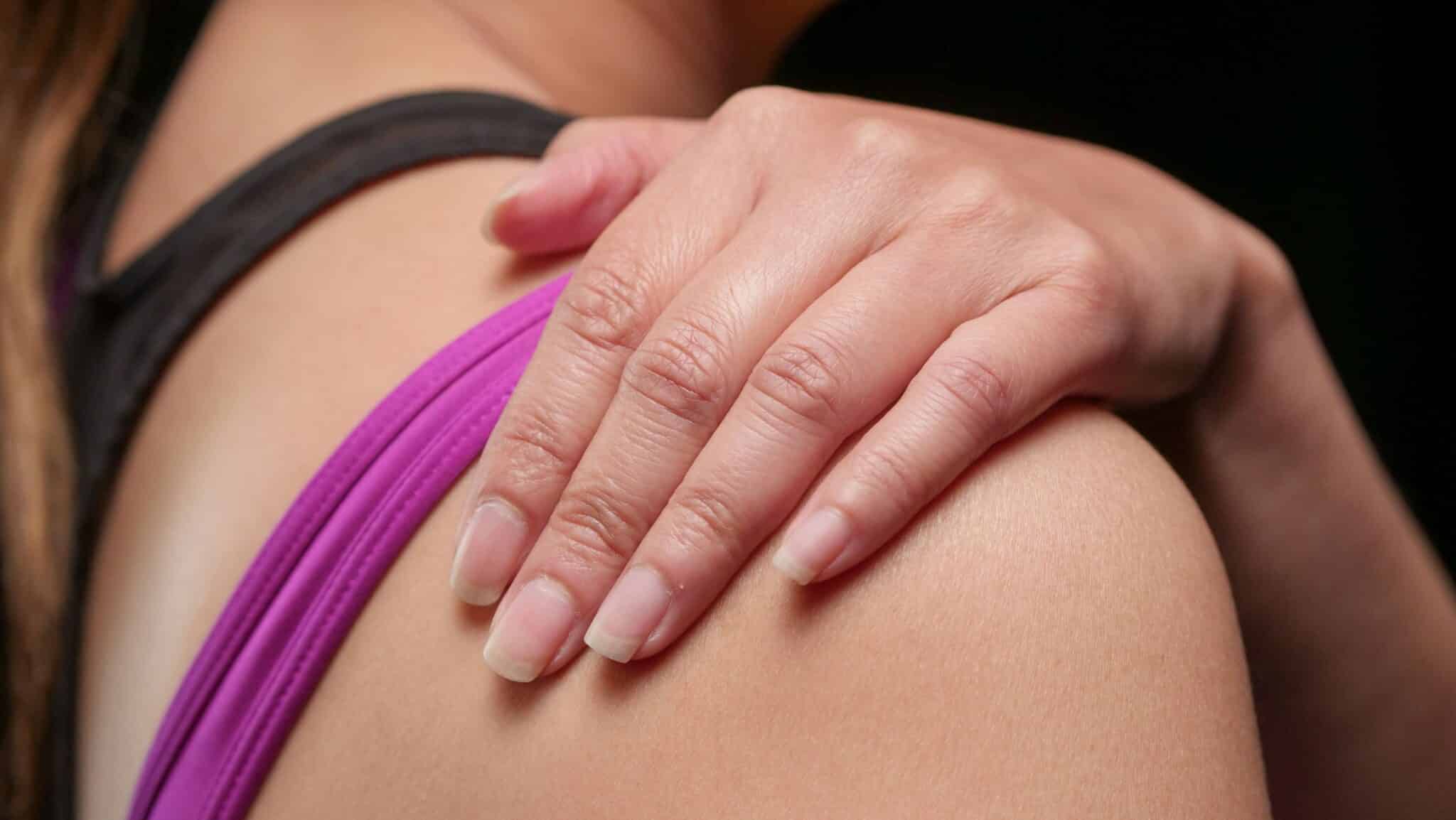

As a common wrist and hand issue, carpal tunnel syndrome can cause a great deal of discomfort, weakness, and disruption to daily life. It is a condition that affects people from all walks of life, from desk workers using keyboards to manual labourers, tradespeople, and active individuals. This fact sheet is designed to provide you with a comprehensive overview of carpal tunnel syndrome, its common causes, how to differentiate it from other sources of hand tingling, and how chiropractic care may offer a gentle path to recovery.
In this article, Dr. Simon Nash (Chiropractor) discusses the various causes of hand tingling, how true carpal tunnel syndrome develops, and the different non-invasive approaches a chiropractor might take to help relieve your symptoms.
Medical Disclaimer: The information provided in this article is for general knowledge and informational purposes only, and does not constitute medical advice. It is essential to consult with a qualified healthcare professional for a diagnosis and personalised treatment plan.
Table of Contents
- Understanding Carpal Tunnel Syndrome
- Common Causes of Hand Tingling and Wrist Pain
- How Chiropractors Diagnose Hand and Wrist Issues
- The Chiropractic Approach to Carpal Tunnel & Wrist Pain
- Frequently Asked Questions (FAQs)
- Book a Consult with Our Chiro Brisbane
- References
- Video Transcript
Understanding Carpal Tunnel Syndrome
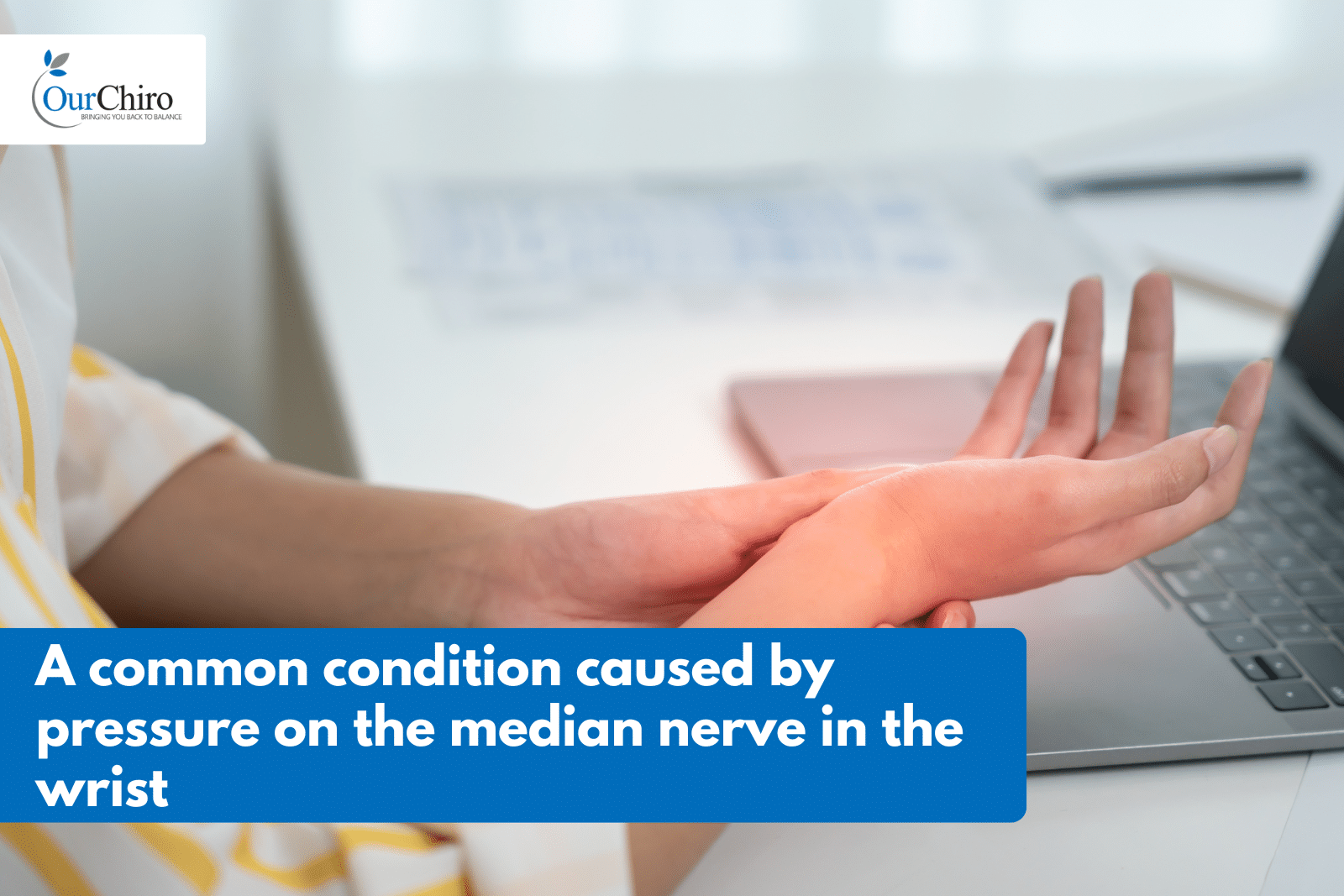
Carpal tunnel syndrome (CTS) is a nerve entrapment condition that occurs when the median nerve becomes compressed or squeezed as it passes through the carpal tunnel a narrow passage made of bones and ligaments at the base of your wrist.
“Something that we see and get asked a lot about at the clinic is carpal tunnel syndrome,” explains Dr. Nash. “A lot of people are very worried when they come in. They might have a little bit of tingling in their hands, and the first thing they look up on the internet is carpal tunnel, and they think, ‘I’ve got carpal tunnel.'”
“Carpal tunnel is a broad term that we have for when we have an irritation through the carpal tunnel,” Dr. Nash continues. “So the carpal tunnel is like a little tunnel, a little bridge that’s formed at the base of the wrist. And we have nerves and blood vessels that run through there. When that gets impinged, typically the patient would have tingling in their hands.”
The median nerve provides sensation to your thumb, index finger, middle finger, and the thumb-side of your ring finger. When squeezed, patients often experience pins and needles, numbness, burning, or a loss of grip strength.
“When patients come to see us fearing the worst, they often picture surgery straight away,” says Dr. Nash. “They feel that sensation in their fingers and naturally worry they won’t be able to work or carry out daily tasks. Part of our job is to calm those fears and figure out where the compression is actually coming from.”
Common Causes of Hand Tingling and Wrist Pain
While carpal tunnel syndrome is well-known, it is far from the only cause of hand tingling or wrist pain. In fact, many patients who present with hand symptoms do not have true carpal tunnel entrapment at all.
“Tingling in the hand isn’t actually carpal tunnel a lot of the time,” notes Dr. Nash. “There’s so many other causes for it.”
Some of the most frequent underlying causes include:
1. Forearm Muscle Tightness & Trigger Points
Overuse of the forearm flexor and extensor muscles can cause tight bands of muscle tissue (trigger points) that compress peripheral nerves further up the arm or refer pain and tingling straight down into the fingers.
“You can have tendinopathies,” Dr. Nash explains. “You can have tight muscles that push on the nerves, or you can have trauma and irritation.”
2. Cervical Radiculopathy (Neck Nerve Irritation)
Nerves that supply sensation to your hands originate in your cervical spine (neck). A bulging disc or joint irritation in the neck can pinch a nerve root, radiating pain, numbness, or tingling down the entire arm into the hand. This can closely mimic carpal tunnel syndrome.
3. Repetitive Strain & Tendinopathies
Repetitive wrist flexions such as typing, using a mouse, assembly line work, or heavy lifting can inflame the flexor tendons passing through the wrist. As these tendons swell, space inside the carpal tunnel narrows, squeezing the median nerve secondarily.
How Chiropractors Diagnose Hand and Wrist Issues
Symptoms in the hand can originate anywhere along the kinetic chain from the cervical spine down through the shoulder, elbow, and wrist. Therefore, a thorough examination is essential before starting any care plan.
“So there’s a few tests that we would do,” says Dr. Nash. “Some orthopaedic testing you can do, and you can get some imaging done, such as X-rays, for example, or ultrasound. You can do nerve conduction tests a lot of the time.”
Orthopaedic tests (such as Phalen’s test or Tinel’s sign) help assess median nerve compression at the wrist, while neurological screenings evaluate whether the nerve root irritation starts at the neck.
“It’s important to reassure patients early on,” adds Dr. Nash. “Nine times out of ten, hand tingling is a lot easier to treat than what people think once we identify the real culprit.”
The Chiropractic Approach to Carpal Tunnel & Wrist Pain
Chiropractic management focuses on relieving mechanical stress on the nerve, reducing soft tissue inflammation, and restoring normal movement throughout the arm and spine.
A clinical trial published in the Journal of Manipulative and Physiological Therapeutics found that conservative manual therapies including joint mobilisation and soft tissue treatment yielded improvements in pain and function comparable to standard medical interventions for carpal tunnel syndrome (Wielemborek et al., 2022). Furthermore, systematic review evidence underscores that non-surgical conservative strategies significantly improve functional hand capacity and pain scores in mild-to-moderate CTS cases (Masiero et al.)
Depending on your diagnosis, conservative chiropractic care at Our Chiro Brisbane may incorporate:
Gentle Joint Mobilisation: Restoring proper alignment and motion to the small carpal bones in the wrist, as well as the elbow, shoulder, and cervical spine.
Soft Tissue Therapy & Dry Needling: Releasing tension in hypertonic forearm muscles and myofascial restrictions that compress nerve paths.
Cold Laser Therapy (LLLT): A gentle, non-invasive option to reduce acute inflammation and promote tissue repair around compressed nerves.
Rehabilitation & Nerve Gliding Exercises: Specific home exercises that help the median nerve glide smoothly through surrounding tissues without catching.
“So if you have any tingling in the hands, it’s important to get it checked out by a health professional,” advises Dr. Nash.
Frequently Asked Questions (FAQs)
Q1: What is the main difference between carpal tunnel syndrome and a pinched nerve in the neck? A: Carpal tunnel syndrome involves compression of the median nerve specifically at the wrist. A pinched nerve in the neck (cervical radiculopathy) occurs where nerve roots exit the spine. While both cause hand tingling, neck nerve issues often extend down the entire arm and may affect different fingers depending on the specific nerve root involved.
Q2: Can typing or working at a computer cause carpal tunnel syndrome A: Repetitive hand movements, poor wrist ergonomics, and long hours typing can contribute to tendon inflammation and muscle tightness in the forearms. This increases pressure within the carpal tunnel and can provoke symptoms.
Q3: Will I need surgery if I have carpal tunnel syndrome? A: Not necessarily. Many mild-to-moderate cases respond very well to conservative care, including joint mobilisation, dry needling, ergonomic changes, and targeted exercise rehabilitation before invasive surgery is considered.
Q4: Why do my hands tingle more at night or when I sleep? A: Many people sleep with their wrists bent or curled inward. Flexing the wrist decreases the space inside the carpal tunnel, placing increased pressure on the median nerve and causing you to wake up with numb or tingling hands.
Q5: How long does it take to get relief from hand tingling? A: Recovery times vary based on the root cause and severity. Muscular tightness or mild nerve irritation may improve in 1 to 3 weeks, whereas chronic tendon inflammation or nerve entrapment can take 6 to 8 weeks of consistent care.
Q6: What can I do at home to relieve wrist pain and hand tingling? A: Taking frequent micro-breaks during typing, applying ice to inflamed wrists, practicing gentle forearm stretches, and keeping your wrist in a neutral position (avoiding extreme bending) can help ease strain.
Book a Consult with Our Chiro Brisbane
We understand how frustrating and unsettling hand tingling or wrist pain can be. When your hands feel weak or numb, even simple daily moments like holding your morning coffee, typing an email, opening a jar, or playing with your children can feel stressful and difficult. It is completely normal to feel worried when nerve symptoms start interfering with your work and lifestyle.
At Our Chiro Brisbane, our experienced team is here to listen and help you find clear answers. We focus on identifying the exact root cause of your discomfort whether it stems from the wrist, forearm, or neck so we can tailor a care plan suited to you.
If you are experiencing wrist pain or tingling in your hands, take the first step towards relief. You can explore our Chiropractic Services or learn more about our non-invasive care options on our Services Page.
Ready to get checked? Book an appointment with Our Chiro Brisbane today or call (07) 3257 0399
References
Wielemborek, P., Kapica-Topczewska, K., Pogorzelski, R., Bartoszuk, A., Kochanowicz, J., & Kułakowska, A. (2022). Carpal tunnel syndrome conservative treatment: A literature review. Postępy Psychiatrii I Neurologii, 31(2). https://doi.org/10.5114/ppn.2022.116880
Masiero, S., Arcuri, P., Boccolari, P., Zorzi, E., Vio, A., Fairplay, T., Zanin, D., Vita, F., Donati, D., & Tedeschi, R. (2026). Surgical versus conservative management for Carpal tunnel syndrome: An updated systematic review of Randomised trials. Brain Sciences, 16(4), 399. https://pmc.ncbi.nlm.nih.gov/articles/PMC13114700/
Video Transcript
Something that we see and get asked a lot about at the clinic is carpal tunnel syndrome. A lot of people are very worried when they come in. They might have a little bit tingling in their hands, and the first thing they look up on the internet is carpel tunnel, and they think I’ve got carpal tunnel. Carpal tunnel is a broad term that we have for when we have an irritation through the carpal tunnel. So the carpal tunnel is like a little tunnel, a little bridge that’s formed at the base of the wrist. And we have nerves and blood vessels that run through there. When that gets impinged, um, typically the patient would have tingling in their hands. Sometimes they could have an irritation or pain around their hands. So there’s a few tests that we would do. Um, some orthopedic testing you can do, you can get some imaging done, such as X-rays, for example, ultrasound. You can do nerve conduction tests a lot of the time. Um, tingling in the hand isn’t actually carpal tunnel. There’s so many other causes from it. You can have tendinopathies. You can have tight muscles that push on the nerves. You can have trauma irritation. So if you have tingling in the hands, it’s important to get it checked out, um, by a health professional. But nine a lot of the time it’s not carpal tunnel. So it’s a lot easier to treat than, than what people think. So if you have any, like I said, if you have any tingling in the hands, just contact your health professional.
This blog post was written and approved by Dr Simon Nash
Dr Simon Nash (M.Chiro, B.Chiro Sci.) is a chiropractor with over 20 years of clinical experience. He is a full professional member of Sports Medicine Australia (SMA) and Chiropractic Australia, and is AHPRA registered (CHI0000970189). Simon graduated from Macquarie University and is dual-registered to practise in Australia and Hong Kong.
He began his career in a multidisciplinary neurology-focused clinic in Sydney, developing a strong interest in treating headaches and migraines. Since 2006, he has operated Our Chiro Brisbane, now alongside his sisters Jessica and Rebecca.
Simon treats everyday injuries, workplace rehabilitation cases and complex presentations using a wide range of techniques. His sports medicine experience spans elite athletes including NRL and Rugby Union players, Olympians, and events like the Australian Open and Hong Kong 7s. He has also treated Guns N’ Roses during tour.


Disclaimer:
The information provided in this blog is for general informational purposes only and is not intended as medical advice. It should not be used to diagnose, treat, or replace professional consultation with a qualified healthcare provider. Always seek the advice of a chiropractor, GP, or other qualified health professional regarding any medical condition or treatment.
Click here to learn more about our editorial policy, that explains how content is created, fact-checked, and updated by qualified chiropractors and other health professionals.