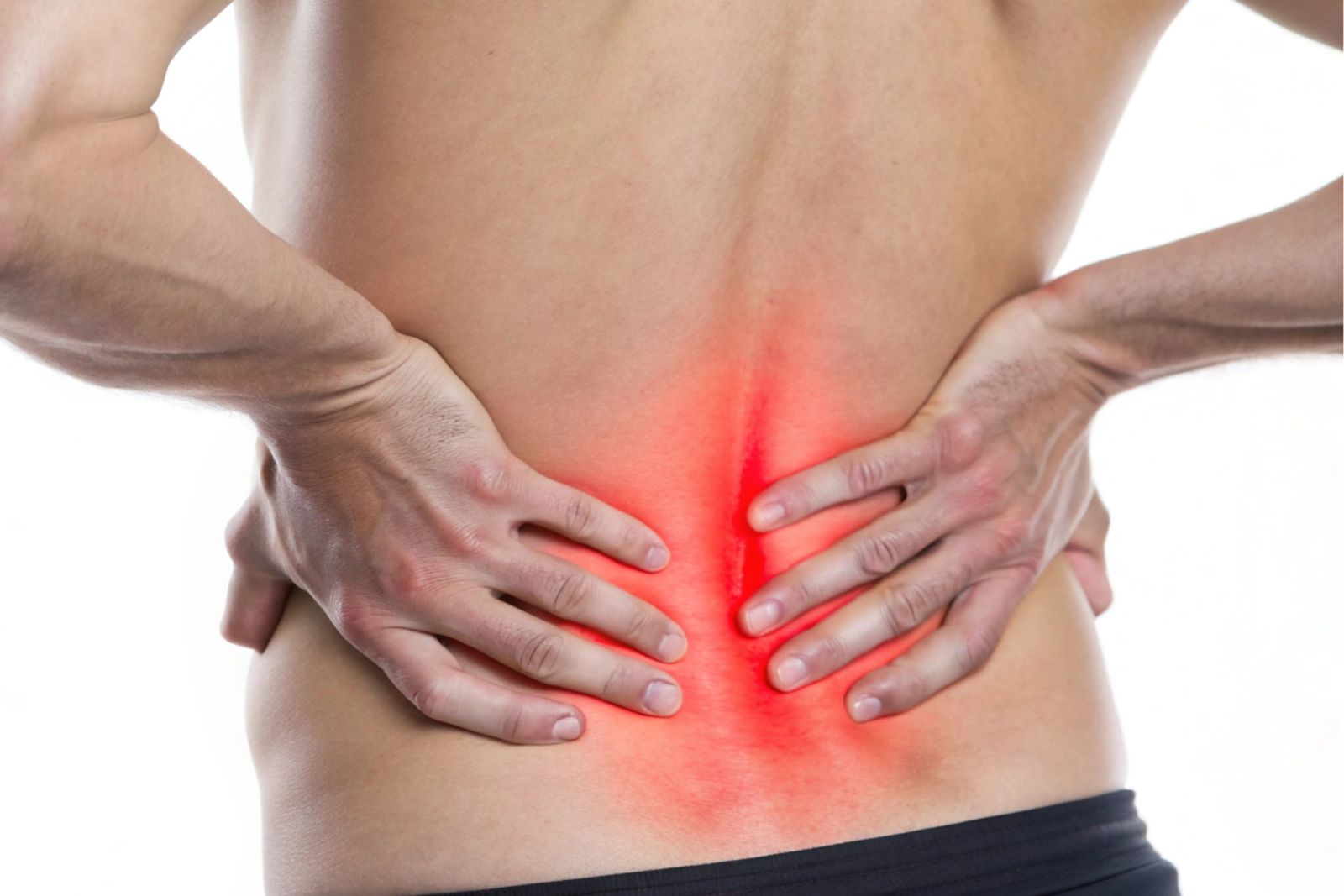
As one of the most common reasons for people to seek healthcare, lower back pain can be a debilitating and life-altering condition. It’s a complex issue arising from a variety of structures and mechanisms within the spine and surrounding tissues. If you are experiencing persistent or severe lower back pain, it’s a clear signal that something in your body needs attention and assistance to restore balance and function.
In this fact sheet, Dr. Simon Nash (Chiropractor) discusses the intricate nature of the lower back, the common causes of pain, and the multi-faceted approach chiropractic care takes to offer relief and promote long-term wellness.
Please note: The information provided in this article is for general knowledge and informational purposes only, and does not constitute medical advice. It is essential to consult with a qualified healthcare professional for a diagnosis and personalised treatment plan.
Table of Contents
- Understanding the Complex Lower Back
- Common Causes and Triggers of Lower Back Pain
- The Chiropractic Approach to Lower Back Pain
- Evidence-Based Care for Lower Back Pain
- Frequently Asked Questions (FAQs)
- Book a Consult with Our Chiro Brisbane
- References
- Video Transcript
Understanding the Complex Lower Back
The lower back, or lumbar spine, is a marvel of biological engineering, designed to provide strength, flexibility, and protection for the spinal cord. It bears the entire weight of your upper body and facilitates movement in countless directions. However, this high level of functional demand also makes it susceptible to injury and pain.
Dr. Nash offers a concise breakdown of this critical area:
“So, your lower back is quite a complex little structure. So, it’s made up of five lumbar vertebrae. It’s made up of your pelvis and the surrounding tissue, which is ligaments and muscles.”
This structure includes:
- Five Lumbar Vertebrae (L1-L5): These are the largest segments of the movable spine, designed to withstand the stress of lifting and carrying.
- Intervertebral Discs: Situated between the vertebrae, these act as shock absorbers.
- Pelvis: The ring of bones at the base of the spine, which connects the lumbar spine to the legs.
- Facet Joints: Small joints located on the back of the vertebrae that provide stability and control movement.
- Ligaments and Muscles: A vast network of strong ligaments to hold the bones together and numerous muscles that facilitate movement and maintain posture.
Pain can originate from any one of these structures, often making a precise diagnosis essential for effective treatment.
Common Causes and Triggers of Lower Back Pain
The source of lower back pain is highly variable. Identifying the specific structure causing the pain is the first crucial step in developing a successful treatment plan.
Dr. Nash notes that a broad range of structures can be the source of discomfort:
“Lower back pain can come from a lot of these different structures. So, you could have lower back pain that comes from your sacroiliac joint. You could have back pain that comes from discs or facet joints which are the joints that make up the lumbar spine and any of the other surrounding tissue.”
The causes of lower back pain can generally be grouped into structural and mechanical issues, with many being triggered by daily activities or underlying degenerative conditions.
Structural Causes
- Disc Bulges (Herniated Discs): When the inner, jelly-like substance of a disc pushes out through a tear in the outer layer, it can put pressure on nearby nerves, leading to localised pain or radiating leg pain (sciatica).
- Facet Joint Pain: Irritation or inflammation of the facet joints, often due to wear and tear or sudden movement, causing sharp pain in the lower back.
- Sacroiliac (SI) Joint Dysfunction: The SI joints connect the bottom of the spine (sacrum) to the pelvis. If these joints become too stiff or too loose, it can result in significant pain in the lower back and buttocks.
- Arthritis: Degenerative conditions like osteoarthritis can cause the cartilage in the spinal joints to wear down, leading to inflammation and pain.
Common Triggers and Mechanical Issues
Everyday habits and movements can often be the catalyst for pain, especially when the spinal structures are already compromised.
“Common triggers for low back pain can be poor posture. It can be overloading the joints whether that comes from lifting or sometimes even sporting injuries or training in the gym too much,” says Dr. Nash.
- Muscular Imbalances: Weakness in the core or gluteal muscles can force the back muscles to overcompensate, leading to strain and spasms.
- Overloading and Injury: Incorrect lifting techniques, sudden twisting motions, or high-impact sporting activities can place excessive stress on the discs and ligaments.
- Piriformis Syndrome: This is a condition where the piriformis muscle, a deep buttock muscle, becomes tight or spasms, potentially irritating the sciatic nerve, leading to pain that can mimic sciatica. As Dr. Nash explains, this involves a muscle that “runs from the hip to the sacrum.”
The Chiropractic Approach to Lower Back Pain
The core philosophy of chiropractic care is to reduce pain and restore optimal function by addressing the underlying mechanical or structural issues. It’s an approach that avoids drugs and surgery, focusing instead on the body’s innate ability to heal.
“What we try to do as chiropractors is to reduce the pain and the load around these tissues,” Dr. Nash explains.
Chiropractors use a wide array of techniques, which are tailored to the specific cause of your pain. A thorough initial consultation involving a history, physical examination, and potentially imaging is used to determine the exact diagnosis.
Tailored Treatment Strategies
The treatment for lower back pain is never a ‘one-size-fits-all’ approach. A facet joint problem requires a different strategy than a muscle strain.
For Muscular Issues:
If the pain stems from a strained or tight muscle, the focus is on releasing tension and restoring normal movement. “So for example, if we had a muscular issue, we would try and take the pressure away from that muscle and restore the normal movement through there,” notes Dr. Nash. Techniques may include:
- Soft Tissue Therapy (Massage/Trigger Point Therapy): To release tight muscles and spasms.
- Dry Needling: To target deep muscle knots and reset muscle function.
- Stretching and Rehabilitation Exercises: To strengthen supporting muscles and improve flexibility.
For Joint and Disc Issues:
When the pain is coming from a joint (like a facet joint) or a disc, the goal is to gently restore proper spinal mechanics and reduce inflammation.
- Spinal Manipulation and Mobilisation: Controlled, gentle adjustments to improve movement in the facet and sacroiliac joints. This aims to take pressure off the inflamed nerves and surrounding tissue.
- Cold Laser Therapy: A non-invasive treatment that can accelerate tissue repair and significantly reduce pain and inflammation at a cellular level, particularly helpful for acute inflammation.
- Postural and Lifestyle Management: A key element of chiropractic care is prevention. This involves teaching patients about ergonomics, proper lifting techniques, and prescribed exercises to strengthen the core muscles that support the lower back. These exercises are crucial for maintaining the improvements gained during treatment and preventing future flare-ups.
Evidence-Based Care for Lower Back Pain
The efficacy of chiropractic care for low back pain is supported by a growing body of scientific literature. Guidelines around the world now recommend spinal manipulation as a primary non-pharmacological treatment for both acute and chronic lower back pain.
A systematic review published in The Lancet concluded that spinal manipulative therapy, alongside exercise and education, is an effective conservative management strategy for low back pain (Foster et al., 2018). Furthermore, a study published in the New England Journal of Medicine found that for patients with low back pain, chiropractic care was more effective than a widely used self-help book for improvement in pain and daily activity (Cherkin et al., 1998).
By focusing on restoring mechanical function and reducing nerve irritation, chiropractic offers a pathway to not just short-term relief, but long-term spinal health.
Frequently Asked Questions (FAQs)
Q1: How long will it take for my lower back pain to go away? A: This varies greatly depending on the cause and severity. A simple muscle strain may improve quickly, while a disc bulge may take several weeks or months. Your chiropractor will provide you with a personalised prognosis after a thorough assessment.
Q2: Is chiropractic treatment painful? A: Chiropractic treatment for low back pain is typically not painful. While you may feel temporary discomfort during an adjustment or soft tissue work, your chiropractor uses gentle, controlled forces. If you are in acute pain, techniques like cold laser therapy or gentle mobilisation will be prioritised.
Q3: Should I rest or stay active when I have lower back pain? A: In most cases, prolonged bed rest is not recommended. Gentle movement and staying active within pain limits is usually better for recovery. Your chiropractor will advise you on the appropriate level of activity and specific exercises.
Q4: Can poor sitting posture at work really cause my back pain? A: Yes, absolutely. Prolonged sitting, especially with poor posture (like slouching), puts significant and unnecessary strain on the discs and ligaments of the lower back, which can be a major trigger for pain.
Q5: What is the difference between an SI joint problem and a disc problem? A: An SI joint problem typically causes pain that is more localised to the side of the lower back and buttock, whereas a disc problem is more likely to cause central back pain and/or pain that radiates down the leg (sciatica). A chiropractor can perform specific tests to differentiate between the two.
Q6: Do I need an X-ray or MRI before I see a chiropractor? A: Not usually. Your chiropractor will determine if imaging is necessary based on your history and physical examination findings. They may refer you for X-rays or an MRI if they suspect a more serious condition or need more detail to confirm a diagnosis.
Q7: Can chiropractors help with chronic low back pain? A: Yes. For chronic (long-standing) pain, the focus shifts to restoring muscle strength, improving spinal function, and providing long-term management strategies to prevent recurrence.
Book a Consult with Our Chiro Brisbane
We understand that living with lower back pain can feel isolating and frustrating. It prevents you from doing simple things, from playing with your kids to getting a full night’s sleep, and it can dramatically reduce your quality of life. You don’t have to tolerate this discomfort.
At Our Chiro Brisbane, we are committed to providing evidence-based, compassionate care. Our experienced team will listen to your story, accurately diagnose the cause of your pain, and create a tailored treatment plan to not only relieve your symptoms but also address the underlying issue.
Take the first step toward reclaiming a pain-free, active life. Whether you are dealing with an acute injury or chronic discomfort, we are here to help.
Book an appointment with Our Chiro Brisbane to discuss your pain and start your journey to recovery. We also offer specialised care for joint and muscular issues through our Chiropractic treatments page.
References
Foster, N. E., Anema, J. R., Cherkin, D., Chou, R., Cohen, S. P., Gross, D. P., … & Woolf, A. (2018). Prevention and treatment of low back pain: evidence, challenges, and promising directions. The Lancet, 391(10137), 2368-2383. https://www.thelancet.com/journals/lancet/article/PIIS0140-6736(18)30489-6/fulltext
Cherkin, D. C., Deyo, R. A., Battié, M., Street, J., & Barlow, W. (1998). A comparison of physical therapy, chiropractic manipulation, and provision of an educational booklet for the treatment of patients with low back pain. New England Journal of Medicine, 339(15), 1021–1029. https://pubmed.ncbi.nlm.nih.gov/9761803/
Video Transcript
What causes lower back pain and how can chiropractic help? So, your lower back is quite a complex little structure. So, it’s made up of five lumbar vertebrae. It’s made up of your pelvis and the surrounding tissue, which is uh ligaments and muscles. Um, lower back pain can come from a lot of these different structures. So, you could have lower back pain that comes from your sacroiliac joint. You could have back pain that comes from discs or facet joints which are the joints that make up the lumbar spine and any of the other surrounding tissue. Common triggers for low back pain can be poor posture. It can be overloading the joints whether that comes from lifting or sometimes even sporting injuries or training in the gym too much. Uh it can come from arthritis, uh disc bulges, it can come from muscular imbalances. You can have a thing called piriformis syndrome which involves a muscle that runs from the hip to the the sacrum. What we try to do as chiropractors is to reduce the pain and the load around these tissues. So for example, if we had a muscular issue, we would try and take the pressure away from that muscle and restore the normal movement through there
This blog post was written and approved by Dr Simon Nash
Dr Simon Nash (M.Chiro, B.Chiro Sci.) is a chiropractor with over 20 years of clinical experience. He is a full professional member of Sports Medicine Australia (SMA) and Chiropractic Australia, and is AHPRA registered (CHI0000970189). Simon graduated from Macquarie University and is dual-registered to practise in Australia and Hong Kong.
He began his career in a multidisciplinary neurology-focused clinic in Sydney, developing a strong interest in treating headaches and migraines. Since 2006, he has operated Our Chiro Brisbane, now alongside his sisters Jessica and Rebecca.
Simon treats everyday injuries, workplace rehabilitation cases and complex presentations using a wide range of techniques. His sports medicine experience spans elite athletes including NRL and Rugby Union players, Olympians, and events like the Australian Open and Hong Kong 7s. He has also treated Guns N’ Roses during tour.


Disclaimer:
The information provided in this blog is for general informational purposes only and is not intended as medical advice. It should not be used to diagnose, treat, or replace professional consultation with a qualified healthcare provider. Always seek the advice of a chiropractor, GP, or other qualified health professional regarding any medical condition or treatment.
Click here to learn more about our editorial policy, that explains how content is created, fact-checked, and updated by qualified chiropractors and other health professionals.