When Dr Simon Nash’s very first patient walked in and said, “I think it’s just in my C6,” he was pointing to one of the most common trouble spots in the neck. The C6 vertebra sits in the lower neck, and the joints, disc and nerve at this level can all be a source of neck stiffness, pain and even arm symptoms. This fact sheet shares Simon’s story, explains the issues that can arise at C6, and looks at how chiropractic care may offer a gentle, non-invasive path to relief.
In this article, Dr. Simon Nash (Chiropractor) discusses his very first patient, a senior emergency physician with a problem at C6, and what can go wrong at that level of the neck.
Please note: The information provided in this article is for general knowledge and informational purposes only, and does not constitute medical advice. It is essential to consult with a qualified healthcare professional for a formal diagnosis and personalised treatment plan.
Table of Contents
- “I Think It’s Just in My C6”
- Understanding the C6 Vertebra
- Common Issues at the C6 Level
- Signs Your Symptoms May Be Coming from C6
- The Chiropractic Approach to C6 Problems
- Frequently Asked Questions (FAQs)
- Book a Consult with Our Chiro Brisbane
- References
- Video Transcript
“I Think It’s Just in My C6”
Simon’s first ever patient was no ordinary patient. “He was one of the directors of emergency medicine at one of the big hospitals in Sydney,” explains Dr. Nash. “He trained as an emergency physician and an anaesthetist.”
With only one other booking that day and nobody else in the clinic, Simon’s first thought when the doctor called was, “Oh, I don’t want to see him. He knows too much.” He politely said he had nothing available unless the doctor was nearby, but the reply came straight back: “That’s no drama. I’m out in car park.”
“He came in, he was very specific. He said, I think it’s just in my C6,” says Dr. Nash. A few of the interns at the hospital had already tried to help without success. “I thought, well, here I go. I hope I don’t do anything wrong. And yeah, we got there in the end. And that was the first one. I’ll never forget it.”
Understanding the C6 Vertebra
The neck, or cervical spine, is made up of seven vertebrae, numbered C1 at the top to C7 at the base. C6 is the sixth, sitting in the lower neck just above where the neck meets the upper back.
Each level of the neck has three key parts that can cause symptoms:
- Facet Joints: small paired joints at the back of each vertebra that guide movement.
- Intervertebral Disc: the cushion between vertebrae. The C5–C6 disc sits directly above C6.
- Nerve Roots: nerves that exit the spine through small openings between vertebrae. The C6 nerve root exits between C5 and C6 and supplies sensation to the thumb side of the forearm and hand, plus muscles such as the biceps and wrist extensors.
Common Issues at the C6 Level
- Facet Joint Irritation: Stiff or irritated facet joints are a common cause of localised neck pain. People often describe a sore spot on one side of the lower neck, pain turning the head, or pain spreading towards the shoulder blade.
- Disc Bulges and Herniations: The C5–C6 disc is one of the most commonly affected in the neck. A bulging disc can cause neck pain and, if it presses on the nerve, arm symptoms.
- Cervical Radiculopathy (Pinched Nerve): When the C6 nerve root is compressed or irritated, pain can travel down the arm with pins and needles or numbness in the thumb and index finger, and sometimes weakness. A large population study found the C6 nerve root was the second most commonly affected after C7, with most cases linked to disc problems, degenerative change or both (Radhakrishnan et al., 1994).
- Degenerative Changes (Cervical Spondylosis): Age-related disc and joint changes are common and often painless, but can narrow the space for nerves at C5–C6.
- Muscle Strain and Postural Overload: Desk work, poor sleeping positions or sudden movements can strain the muscles around the lower neck.
Signs Your Symptoms May Be Coming from C6
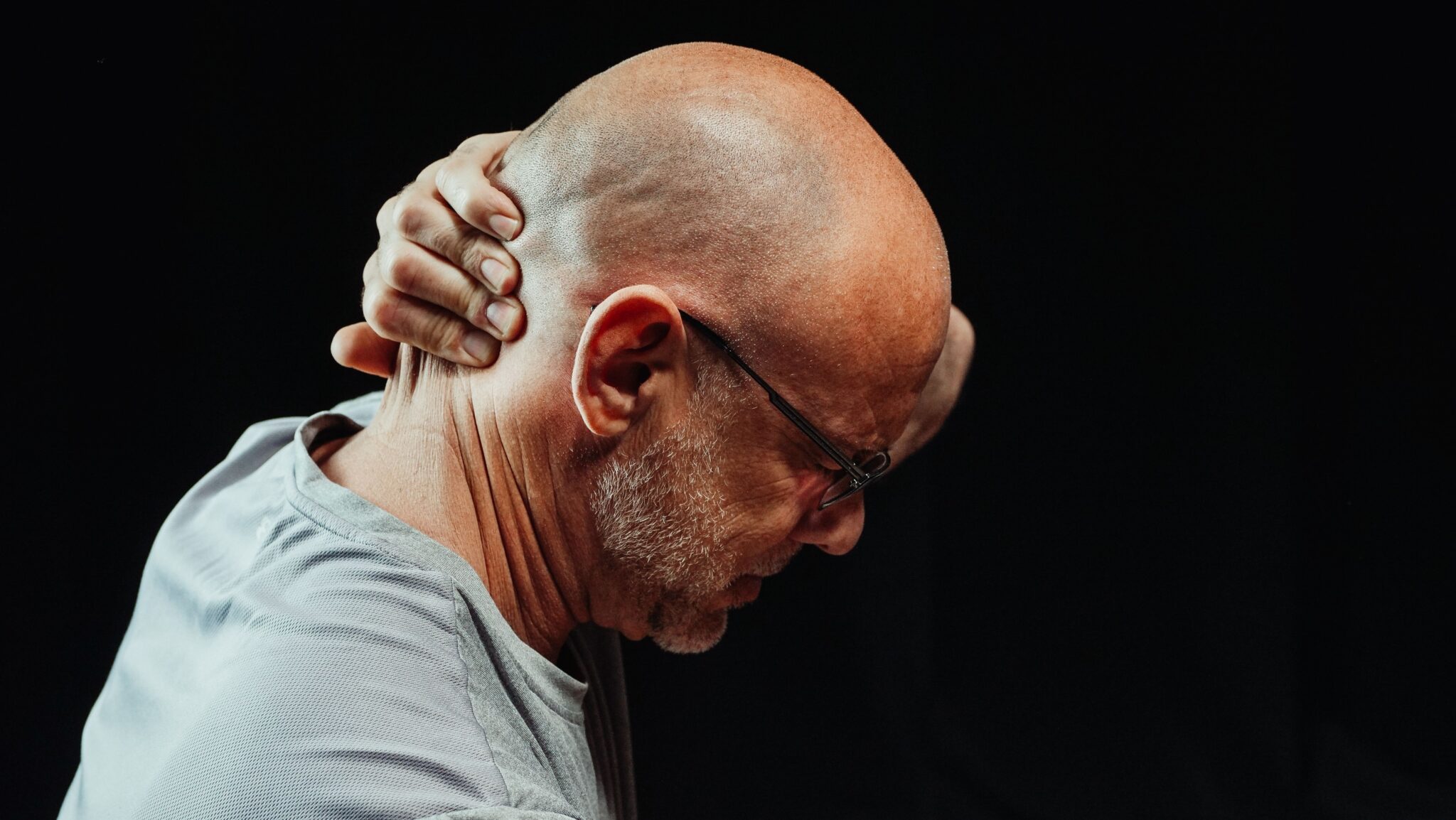
- Pain or stiffness in the lower neck, especially when looking up, down or over your shoulder.
- Pain spreading towards the shoulder blade or top of the shoulder.
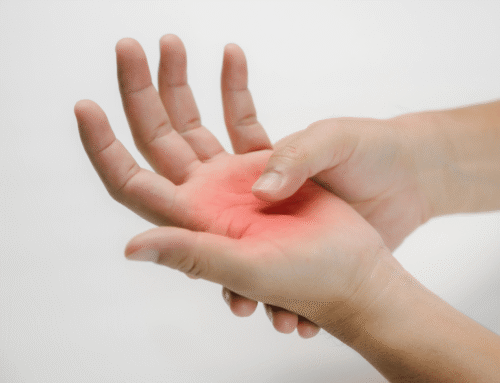
- Pins and needles or numbness on the thumb side of the forearm, thumb or index finger.
- Weakness when bending the elbow or lifting the wrist.
These symptoms can also come from other areas, such as the shoulder or nerves in the arm, so a proper assessment is important.
The Chiropractic Approach to C6 Problems
Identifying the exact source of your symptoms, whether it’s the joint, disc, nerve or muscles, is the key to treating it well.
Clinical practice guidelines recommend a multimodal approach, combining manual therapy, self-management advice and exercise, for both recent and persistent neck pain (Bussières et al., 2016), and a review of 47 randomised trials found manipulation and mobilisation can reduce pain and improve function in chronic neck pain (Coulter et al., 2019). As with any treatment, results vary from person to person.
At Our Chiro Brisbane, our clinical process involves:
- Comprehensive Assessment: Performing physical, neurological and orthopaedic testing, including reflexes, strength and sensation in the arms, to pinpoint the level and structure involved and screen for anything that needs medical referral.
- Targeted Interventions: Utilising gentle adjustments, joint mobilisations, soft tissue therapy and dry needling to restore movement at the lower neck and ease surrounding muscle tension.
- Rehabilitation & Postural Advice: Providing tailored exercises and workplace postural advice to strengthen the neck and reduce load on the C5–C6 level.
Frequently Asked Questions (FAQs)
Q1: Is C6 in the neck? A: Yes. C6 is the sixth of the seven cervical (neck) vertebrae, located in the lower neck.
Q2: Why does a problem at C6 cause symptoms in my hand? A: The C6 nerve root travels from the neck down the arm. When it’s irritated, symptoms can be felt along its path, typically in the thumb and index finger.
Q3: Is a C5–C6 disc bulge serious? A: Disc bulges are common and many improve with conservative care. Progressive weakness or worsening symptoms should be assessed promptly.
Q4: Can chiropractic help a pinched nerve in the neck? A: Many people with nerve-related neck and arm pain are managed conservatively. Your chiropractor will assess whether care is suitable and use gentle techniques where appropriate.
Q5: Do I need an X-ray or MRI? A: Not always. Imaging is generally recommended when there are significant neurological signs, trauma or symptoms that aren’t improving. We’ll refer you if it’s needed.
Q6: When should I seek immediate medical attention for neck pain? A: Seek urgent medical care for neck pain after a significant injury or accident, or neck pain with fever, severe headache, progressive weakness or numbness in the arms or legs, or problems with balance or bladder and bowel control.
Book a Consult with Our Chiro Brisbane
We understand how frustrating neck pain can be, especially when it starts creeping into your shoulder or hand. It can make simple things like checking your blind spot while driving, typing or getting a good night’s sleep feel like a struggle. You don’t have to navigate this alone.
At Our Chiro Brisbane, we are committed to listening to your concerns, getting to the root cause of your symptoms, and supporting you with compassionate, personalised care. Whether you can name the exact vertebra or simply know your neck isn’t moving the way it should, we’re here to help.
Book an appointment with Our Chiro Brisbane today or call (07) 3257 0399.
References
Bussières, A. E., Stewart, G., Al-Zoubi, F., Decina, P., Descarreaux, M., Hayden, J., Hendrickson, B., Hincapié, C., Pagé, I., Passmore, S., Srbely, J., Stupar, M., Weisberg, J., & Ornelas, J. (2016). The treatment of neck pain–associated disorders and whiplash-associated disorders: A clinical practice guideline. Journal of Manipulative and Physiological Therapeutics, 39(8), 523–564. https://doi.org/10.1016/j.jmpt.2016.08.007
Coulter, I. D., Crawford, C., Vernon, H., Hurwitz, E. L., Khorsan, R., Suttorp Booth, M., & Herman, P. M. (2019). Manipulation and mobilization for treating chronic nonspecific neck pain: A systematic review and meta-analysis for an appropriateness panel. Pain Physician, 22(2), E55–E70. https://doi.org/10.36076/ppj/2019.22.E55
Radhakrishnan, K., Litchy, W. J., O’Fallon, W. M., & Kurland, L. T. (1994). Epidemiology of cervical radiculopathy: A population-based study from Rochester, Minnesota, 1976 through 1990. Brain, 117(2), 325–335. https://doi.org/10.1093/brain/117.2.325
Video Transcript
I remember being, and he was one of the directors of emergency medicine at one of the big hospitals in Sydney. And he was a lovely guy. He’s a Scottish guy. He trained as an emergency physician and an anaesthetist. So he was very nerdy, but I guess he also hung around with the likes of my mentor and then employer. They’re all very nerdy.
And I can remember having, I think I had one patient booked in and I was at the clinic by myself and he called and he said, oh, do you have any, any time to see me? So I’ve just been in the hospital. And I thought, oh, I don’t want to see him. He knows too much. There’s no way. And I said, oh, I don’t, I don’t have, I don’t have anything unless you were around now, thinking, oh, he won’t be anywhere. And of course, I think it was a bit of a setup, but he’s like, that’s no drama. I’m out in car park.
And so I instantly started sweating from everywhere you can sweat. And he, yeah, he came in, he was very specific. He said, I think it’s just in my C6. And he said, I’ve got a few of the interns at work to have a look, but they couldn’t, couldn’t get it. I thought, well, here I go. I hope I don’t do anything wrong. And yeah, we got there in the end. And that was the first one. I’ll never forget it.
This blog post was written and approved by Dr Simon Nash
Dr Simon Nash (M.Chiro, B.Chiro Sci.) is a chiropractor with over 20 years of clinical experience. He is a full professional member of Sports Medicine Australia (SMA) and Chiropractic Australia, and is AHPRA registered (CHI0000970189). Simon graduated from Macquarie University and is dual-registered to practise in Australia and Hong Kong.
He began his career in a multidisciplinary neurology-focused clinic in Sydney, developing a strong interest in treating headaches and migraines. Since 2006, he has operated Our Chiro Brisbane, now alongside his sisters Jessica and Rebecca.
Simon treats everyday injuries, workplace rehabilitation cases and complex presentations using a wide range of techniques. His sports medicine experience spans elite athletes including NRL and Rugby Union players, Olympians, and events like the Australian Open and Hong Kong 7s. He has also treated Guns N’ Roses during tour.


Disclaimer:
The information provided in this blog is for general informational purposes only and is not intended as medical advice. It should not be used to diagnose, treat, or replace professional consultation with a qualified healthcare provider. Always seek the advice of a chiropractor, GP, or other qualified health professional regarding any medical condition or treatment.
Click here to learn more about our editorial policy, that explains how content is created, fact-checked, and updated by qualified chiropractors and other health professionals.