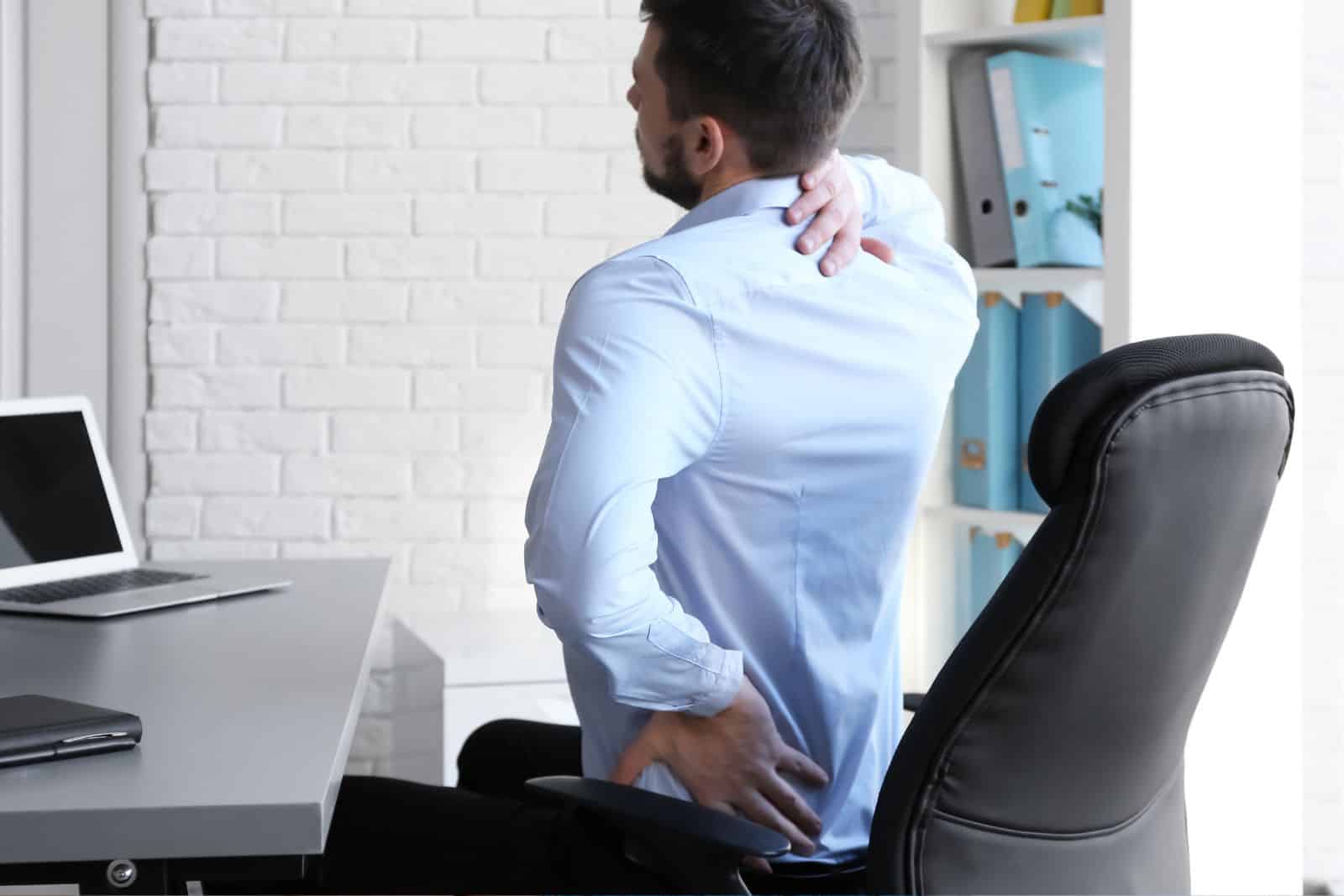
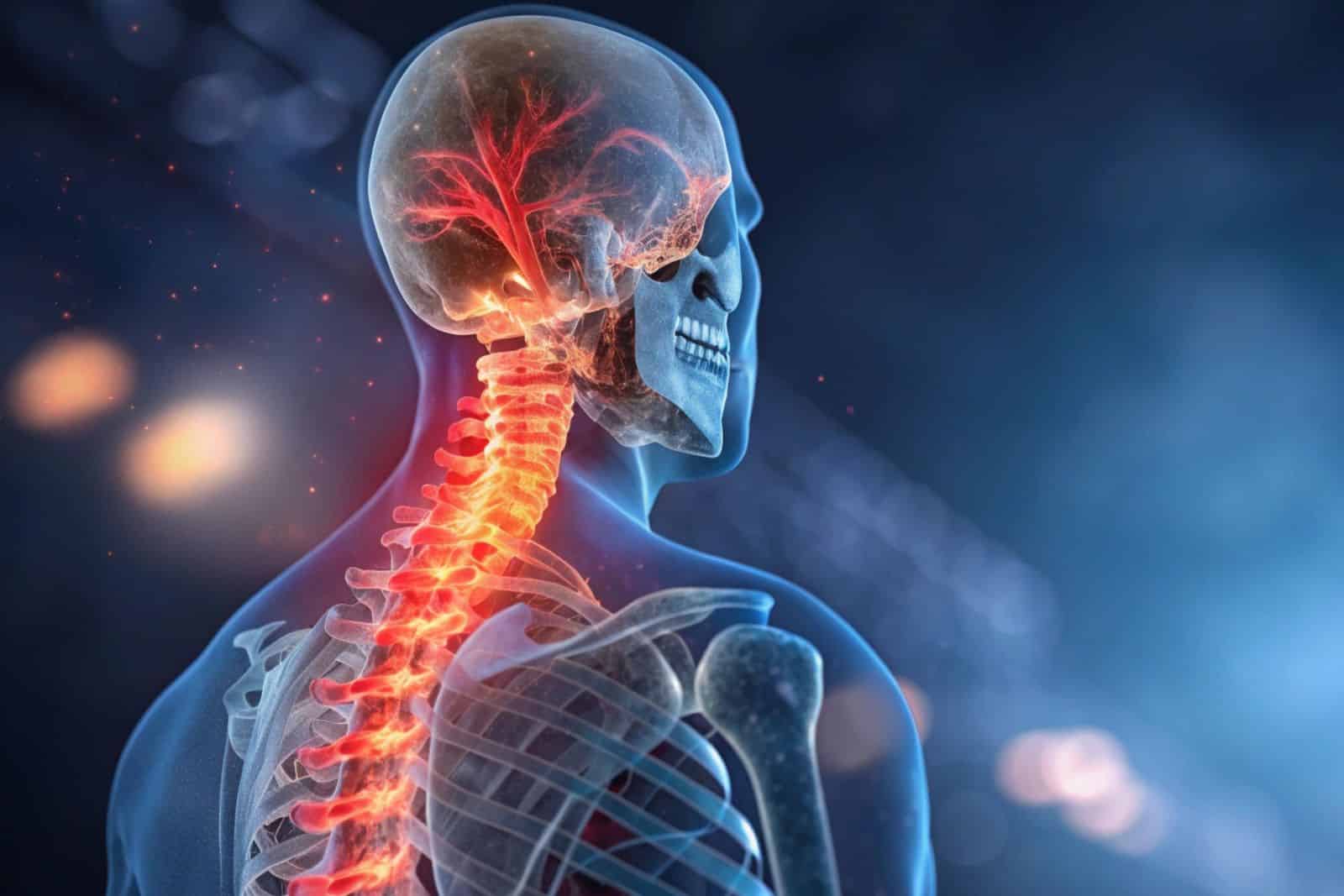
Headaches are one of the most common complaints globally, often dismissed as simply stress or fatigue. However, a significant proportion of chronic head pain doesn’t originate in the head itself, but is referred to as pain from the neck. These are known as cervicogenic headaches (CGH). A CGH is a debilitating condition that can severely impact quality of life, making it difficult to concentrate, sleep, or participate fully in daily activities. This fact sheet is designed to provide you with an in-depth understanding of cervicogenic headaches and how the specialised, non-invasive treatments offered by chiropractic care can provide lasting relief.
In this article, Dr. Simon Nash (Chiropractor) discusses the underlying causes of cervicogenic headaches, the specific diagnostic methods used, and the multimodal approaches Our Chiro Brisbane uses to restore neck function and alleviate head pain.
Please note: The information provided in this article is for general knowledge and informational purposes only, and does not constitute medical advice. It is essential to consult with a qualified healthcare professional for a diagnosis and a personalised treatment plan.
Table of Contents
- Understanding Cervicogenic Headaches
- The Root Causes of Neck-Related Headaches
- Comprehensive Assessment and Diagnosis
- The Chiropractic Approach to Headache Relief
- Understanding the Effectiveness of Care
- Frequently Asked Questions (FAQs)
- Book a Consult with Our Chiro Brisbane
- References
- Video Transcript
Understanding Cervicogenic Headaches
A cervicogenic headache is classified as a secondary headache, meaning the pain originates from a musculoskeletal source elsewhere in the body specifically, the cervical spine (neck) or its surrounding structures. The head pain is essentially a symptom of neck dysfunction.
Dr. Nash clarifies the distinction from other headache types: “We call them cervicogenic headaches. Cervicogenic headaches usually are caused from sporting injury, trauma, something potentially like arthritis or just dysfunction, biomechanical dysfunction around the neck.”
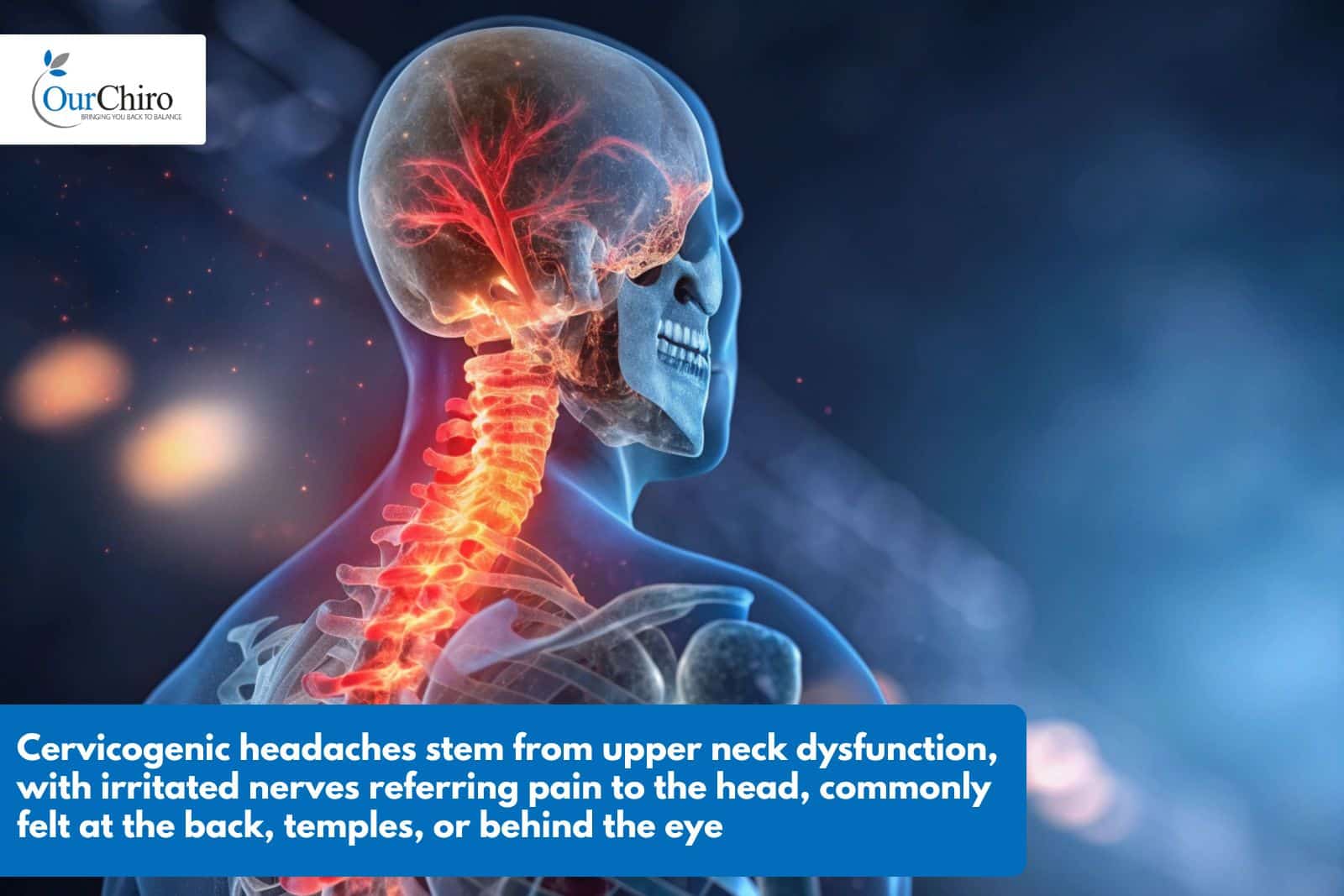
Unlike a migraine, which is neurological and often accompanied by aura, or a tension headache, which typically feels like a tight band around the head, a CGH is mechanical. The pain pathways of the upper neck (C1-C3 vertebrae) converge with the trigeminal nerve, which carries sensation from the face and head. When the neck joints or muscles are irritated, the brain interprets this discomfort as pain originating in the head, often felt at the back of the skull, temples, or behind the eye, typically on one side.
“They’re not necessarily anything like a tension headache or a migraine. And they’re usually triggered by the neck,” Dr. Nash confirms. The nature of the pain is often described as a dull ache that intensifies with specific neck movements or sustained awkward postures.
The Root Causes of Neck-Related Headaches
The neck is a complex structure of seven small vertebrae, muscles, ligaments, and nerves designed for mobility and supporting the weight of the head. When this delicate biomechanical balance is disrupted, it can trigger a headache. The causes are varied, often stemming from accumulated stress or acute injury:
- Biomechanical dysfunction: This is the most common cause, involving restricted movement or misalignment (subluxation) in the upper cervical joints, especially C1-C3. Poor workplace ergonomics or sustained ‘tech neck’ posture from device use can lead to chronic strain.
- Trauma and sporting injury: Whiplash from a car accident or a contact sports injury can damage the ligaments, joints, and soft tissues of the neck, leading to instability and inflammation.
- Arthritis or degenerative changes: Age-related wear and tear in the facet joints of the neck can cause irritation and inflammation, generating referred pain.
- Muscle tension and trigger points: Chronically tight muscles in the suboccipital region (at the base of the skull) or the upper trapezius can create active trigger points that refer pain directly into the head.
Comprehensive Assessment and Diagnosis
Effective treatment for cervicogenic headaches begins with an accurate diagnosis to ensure the pain is indeed originating from the neck and to rule out other, more serious causes. Our Chiro Brisbane follows a rigorous assessment protocol, as outlined by Dr. Nash:
- Clinical history: A detailed discussion of the patient’s symptoms, including the location, frequency, intensity, and any known triggers for the headaches.
- Orthopaedic and neuro testing: These physical examinations assess the range of motion in the neck, identify painful or restricted joints, and confirm that there is no dangerous involvement of the nervous system.
- Imaging: “We might send you for an X-ray, for example, if we suspect that there’s some dysfunction through there,” Dr. Nash explains. Imaging helps to visualise the structural integrity of the cervical spine, looking for signs of arthritis, injury, or alignment issues that are contributing to the pain.
The Chiropractic Approach to Headache Relief
The treatment philosophy at Our Chiro Brisbane is centred on addressing the root cause of the dysfunction to provide long-term, drug-free relief. Evidence-based guidelines recommend spinal manipulation as an effective intervention for cervicogenic headaches (Bryans et al., 2011). Our approach is multimodal, combining several techniques tailored to the individual’s needs.
Dr. Nash explains the process: “Once we’ve assessed it and potentially got some imaging, we’ll be able to work out why that’s happening. We would use some different treatment techniques depending on the person as everybody’s different.”
Restoring Biomechanical Function
The core of chiropractic care involves improving the mobility and alignment of the cervical spine.
- Manual Mobilisations and Adjustments: These gentle, specific techniques aim to restore normal motion to the restricted joints of the neck and thoracic spine. A recent systematic review and meta-analysis confirmed that spinal manipulation (chiropractic adjustments) ranked highest for reducing pain and improving neck function in CGH patients (Xu & Ling, 2025). This is key to interrupting the painful nerve signals referring to the head.
- Soft Tissue Work and Dry Needling: Addressing muscle tightness is vital, as chronically tight muscles can pull joints out of alignment and directly irritate the nerves. “We will look at doing some dry needling, some soft tissue work,” Dr. Nash states. These techniques target trigger points and muscular imbalances in the neck and upper back.
Supporting Healing and Stability
Supportive therapies are used to manage inflammation and encourage faster healing.
- Cold Laser Therapy: This is a non-invasive tool used to reduce pain and accelerate tissue repair. Dr. Nash notes, “We could do some taping, some cold laser therapy.” Low-Level Laser Therapy (LLLT) reduces inflammation at a cellular level, making adjustments and exercises more comfortable and effective.
- Taping: Kinesio or rigid taping can be used to support the neck muscles, improve proprioception (the body’s awareness of its position), and help retrain better posture, especially during the initial healing phases.
- Rehabilitation Exercises: Customised exercises are provided to strengthen the deep neck flexor muscles and the upper back. This is critical for maintaining the correction achieved during treatment and preventing future recurrences, ensuring the neck can better withstand the stresses of daily life.
“In my experience, when the joints of the neck aren’t moving properly, the body compensates, often leading to headaches or shoulder pain. Restoring that mobility is the first step to lasting relief,” adds Dr Nash.
Understanding the Effectiveness of Care
Chiropractic intervention for cervicogenic headaches is often highly effective because it directly targets the mechanical source of the pain, not just the symptom. The treatment is designed to be well-tolerated and is rarely painful.
“We would use some different treatment techniques depending on the person as everybody’s different… which is quite painless and very, very effective in treating cervicogenic headaches,” Dr. Nash assures.
The goal is a measurable reduction in the frequency, duration, and intensity of the headaches, combined with improved range of motion in the neck. Most patients report a noticeable reduction in symptoms quickly, as the pressure is relieved from the irritated joints and nerves. For chronic, long-standing issues, treatment often involves an acute phase to resolve the pain, followed by a corrective phase focused on strengthening and postural correction for long-term management.
“Our ultimate aim is to remove the underlying biomechanical dysfunction so that the patient can manage their own neck health and live without the constant fear of their next headache flare-up,” says Dr Nash.
Frequently Asked Questions (FAQs)
Q1: What is the main difference between a cervicogenic headache and a tension headache? A: A cervicogenic headache is caused by an issue in the neck (joint or muscle dysfunction) and is referred to as pain. A tension headache is typically caused by general muscle tightness or stress. A CGH is often unilateral (one-sided) and increases with neck movement, which is less common with a tension headache.
Q2: Can my posture cause cervicogenic headaches? A: Absolutely. Prolonged poor posture (like ‘tech neck’) strains the muscles and joints of the upper cervical and thoracic spine, leading to the biomechanical dysfunction that triggers CGH.
Q3: Is a neck adjustment safe for a cervicogenic headache? A: When performed by a registered and experienced chiropractor after a thorough assessment and history, spinal adjustments for neck pain are widely considered safe and highly effective for treating CGH.
Q4: How long does it take for chiropractic treatment to work on my headaches? A: Improvement varies, but many patients report noticeable relief quickly as joint mobility is restored. Full resolution depends on the chronicity of the issue, and treatment may involve an acute phase to resolve pain followed by a corrective phase focused on rehabilitation.
Q5: Will my chiropractor only treat my neck? A: No. Dr. Nash mentions treating the surrounding area: “…also some manual mobilisations and adjustment in and around the thoracic spine, the cervical spine to help get you moving.” Dysfunction in the thoracic (mid-back) spine often contributes to neck strain.
Q6: Should I use heat or ice for my neck pain that is causing a headache? A: For acute inflammation, ice is generally recommended. For chronic, tight muscles, heat can be soothing. Your chiropractor will provide a specific recommendation based on the source of your pain.
Q7: Can chiropractors help with migraines, too? A: While cervicogenic headaches are distinct, chiropractic care, particularly addressing underlying muscle tension and neck mobility, can be a beneficial component of a holistic treatment plan for migraines.
Book a Consult with Our Chiro Brisbane
We understand that living with persistent headaches can be utterly exhausting. The constant cycle of pain, the reliance on medication, and the fear of when the next one will strike can feel overwhelming. We are here to help you break that cycle.
At Our Chiro Brisbane, we are dedicated to providing evidence-based, effective care to diagnose and treat the source of your cervicogenic headaches. Our experienced team, including Dr. Simon Nash (Chiropractor), will develop a personalised plan using gentle techniques to restore motion to your neck and give you back control of your life.
Take the first step towards a headache-free future. Book an appointment with Our Chiro Brisbane today to discuss your headaches and migraines or explore our comprehensive low back and neck pain services.
References
- Bryans, R., Descarreaux, M., Duranleau, M., Marcoux, H., Potter, B., Ruegg, R., Shaw, L., Watkin, R., & White, E. (2011). Evidence-Based Guidelines for the Chiropractic Treatment of Adults With Headache. Journal of Manipulative and Physiological Therapeutics, 34(5), 274–289. https://doi.org/10.1016/j.jmpt.2011.04.008
- Xu, X., & Ling, Y. (2025). Comparative safety and efficacy of manual therapy interventions for cervicogenic headache: a systematic review and network meta-analysis. Frontiers in Neurology, 16. https://doi.org/10.3389/fneur.2025.1566764
Video transcript
Do headaches come from a sore neck and can chiropractors help? Headaches can definitely come from a sore neck? We call them cervicogenic headaches. cervicogenic headaches usually are caused from sporting injury, trauma, something potentially like arthritis or just dysfunction, biomechanical dysfunction around the neck. Um they’re not necessarily anything like a tension headache or a migraine. And they’re usually triggered by the neck. So, what we want to look at when we’re treating them is why that’s being triggered, why that dysfunction is there. Um, so we might send you for an X-ray, for example, if we suspect that there’s some dysfunction through there. Um, we will do some orthopedic testing. We will do some neuro testing to make sure that there’s no involvement with that. And once we’ve assessed it and potentially got some imaging, we’ll be able to work out why that’s happening. Um, we would use some different treatment techniques depending on the `person as everybody’s different. So, we’d assess you for that. We will look at doing some dry needling, some soft tissue work. Um, we could do some taping, some cold laser therapy, and uh, also some manual um,mobilisations and adjustment in and around the thoracic spine, the cervical spine uh, to help get you moving. Obviously, we’d make sure that your medical history is fine to be able to do any of that. Um, which is quite painless and and and it doesn’t really hurt to do and very very effective in treating very effective in treating um cervical spine uh headaches or cervicogenic headaches.
This blog post was written and approved by Dr Simon Nash
Dr Simon Nash (M.Chiro, B.Chiro Sci.) is a chiropractor with over 20 years of clinical experience. He is a full professional member of Sports Medicine Australia (SMA) and Chiropractic Australia, and is AHPRA registered (CHI0000970189). Simon graduated from Macquarie University and is dual-registered to practise in Australia and Hong Kong.
He began his career in a multidisciplinary neurology-focused clinic in Sydney, developing a strong interest in treating headaches and migraines. Since 2006, he has operated Our Chiro Brisbane, now alongside his sisters Jessica and Rebecca.
Simon treats everyday injuries, workplace rehabilitation cases and complex presentations using a wide range of techniques. His sports medicine experience spans elite athletes including NRL and Rugby Union players, Olympians, and events like the Australian Open and Hong Kong 7s. He has also treated Guns N’ Roses during tour.


Disclaimer:
The information provided in this blog is for general informational purposes only and is not intended as medical advice. It should not be used to diagnose, treat, or replace professional consultation with a qualified healthcare provider. Always seek the advice of a chiropractor, GP, or other qualified health professional regarding any medical condition or treatment.
Click here to learn more about our editorial policy, that explains how content is created, fact-checked, and updated by qualified chiropractors and other health professionals.