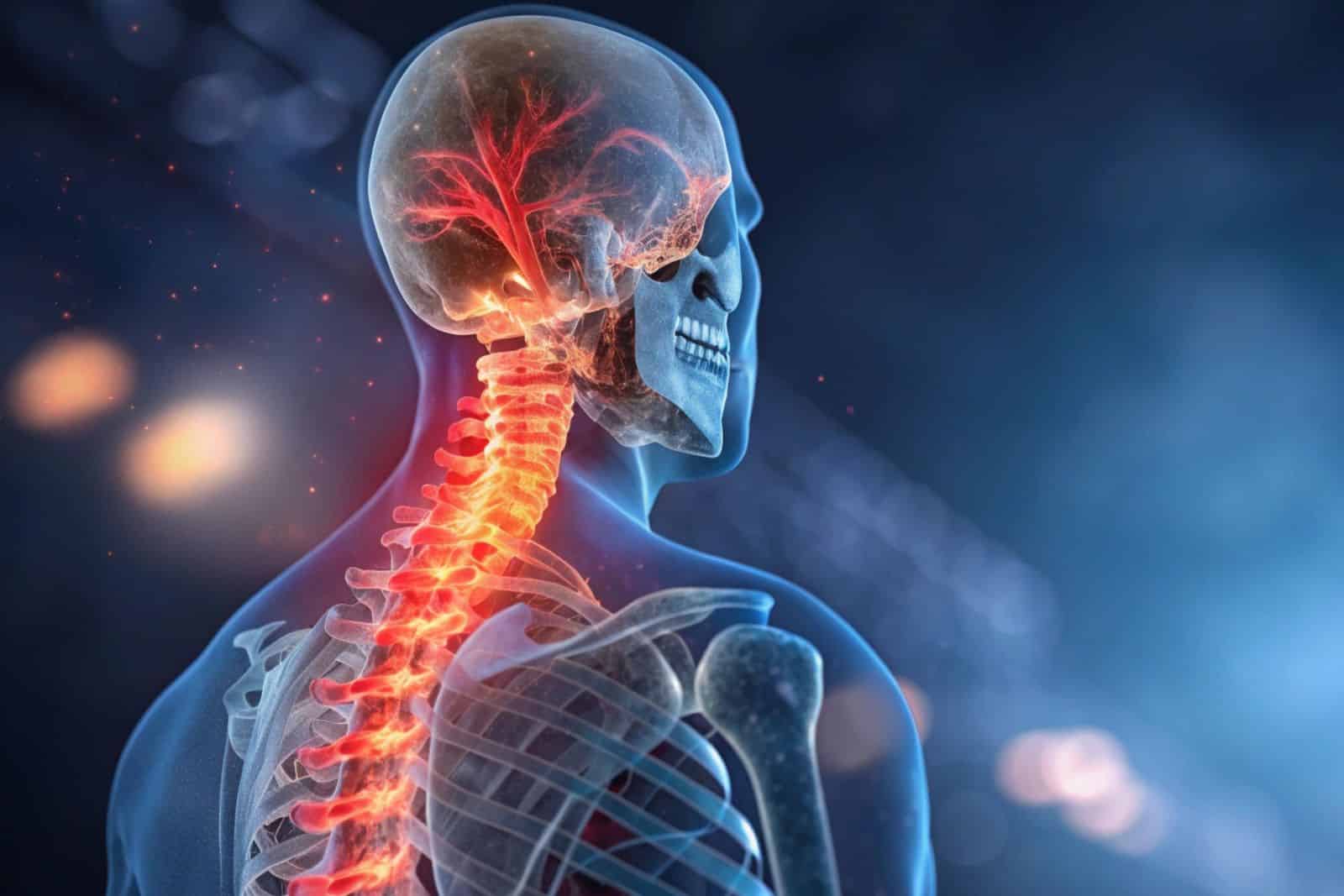

As a common low back problem, acute pain can cause a great deal of discomfort and disruption to daily life. Whether it is a sudden “tweak” while lifting or a gradual onset of radiating pain, these conditions affect people from all walks of life, from active athletes to those with a more sedentary lifestyle. This fact sheet is designed to provide you with a comprehensive overview of musculoskeletal emergencies and acute spinal pain, its common causes, and how chiropractic care may offer a path to recovery.
In this article, Dr. Simon Nash (Chiropractor) discusses the various causes of acute pain and the different approaches a chiropractor might take to help with the symptoms when you need urgent care.
Please note: The information provided in this article is for general knowledge and informational purposes only, and does not constitute medical advice. It is essential to consult with a qualified healthcare professional for a diagnosis and personalised treatment plan.
Table of Contents
- Understanding Musculoskeletal Emergencies
- Medical vs. Chiropractic Emergencies
- The Assessment Process: Orthopaedic and Neurological Testing
- Common Treatments for Acute Pain
- Home Care Advice for Rapid Relief
- Frequently Asked Questions (FAQs)
- Book a Consult with Our Chiro Brisbane
- Video Transcript
Understanding Musculoskeletal Emergencies
When we speak about an “emergency” in a chiropractic context, we are usually referring to acute, debilitating pain that prevents you from performing normal daily activities. This might be a sudden “locked” back, severe neck stiffness, or intense nerve pain.
“Obviously, when you’re seeking out any emergency care, you want to make sure that it’s not a medical emergency,” explains Dr. Nash. “First things first, always check that it’s not a medical emergency. If you need to go to accident and emergency, then head up there.”
Once a life-threatening or surgical emergency is ruled out, the focus shifts to the musculoskeletal system.
Acute pain is often the body’s alarm system indicating that a joint is restricted, a muscle is in spasm, or a nerve is being compressed. Research indicates that early intervention for acute low back pain is critical; a study published in the Journal of Manipulative and Physiological Therapeutics suggests that early chiropractic care can lead to reduced costs and better outcomes compared to delayed treatment.
Medical vs. Chiropractic Emergencies
It is vital to distinguish between a condition that requires a hospital and one that requires a chiropractor. Dr. Nash emphasises that medical safety comes first.
“Once that’s all been cleared, then you would seek out emergency care with a muscular condition,” he says.
Red Flags (Go to the Hospital Immediately):
- Loss of bowel or bladder control
- Numbness in the “saddle area” (groin/inner thighs)
- Sudden, profound weakness in the legs or arms.
- Pain following significant trauma (like a high-speed car accident).
- Unrelenting pain accompanied by fever or unexplained weight loss.
If these are not present, but you are in significant pain that makes moving difficult, an Emergency Chiropractor is often the most appropriate next step to address the physical mechanical cause of the distress.
The Assessment Process: Orthopaedic and Neurological Testing
When a patient arrives in an acute state, the first priority is a thorough diagnosis. We cannot treat what we haven’t identified.
“What we would typically do is assess what’s happening,” says Dr. Nash. “We would do some orthopaedic and neurological testing and try and get you out of pain as quickly as we could.”
Orthopaedic tests involve moving the body in specific ways to see which tissues (ligaments, tendons, or joints) reproduce the pain. Neurological testing checks your reflexes, muscle strength, and skin sensation to ensure the nerves exiting your spine are functioning correctly.
“When a patient is in crisis, our first job is to be a detective,” Dr. Nash explains. “We look for the ‘why’ behind the ‘ouch’ is it a joint that isn’t moving, or a nerve that’s being pinched? Only then can we safely apply a treatment.” This structured approach ensures that the care provided is both safe and effective for the specific injury sustained.
Common Treatments for Acute Pain
Once the assessment is complete, the goal shifts to symptomatic relief and restoring basic mobility.
“Whether that be doing some treatment, giving you some advice at home… anything to reduce the pain and try and get you out of pain as quickly as possible,” Dr. Nash notes.
Chiropractic care for acute cases often involves:
Gentle Mobilisation and rehabilitation: Unlike a standard maintenance adjustment, acute care often uses very gentle movements to restore joint play without aggravating inflamed tissues.
Soft Tissue Therapy: To release the protective muscle guarding that often accompanies sudden injury.
Cold Laser Therapy: A non-invasive tool used to reduce inflammation at the cellular level.
Evidence supports this multifaceted approach. According to a systematic review in The Lancet, non-pharmacological treatments, including spinal manipulation, are recommended as first-line options for acute and chronic low back pain.
Home Care Advice for Rapid Relief
The care you provide yourself at home is just as important as the treatment you receive in the clinic. During an emergency consult, we provide specific “homework” to keep the recovery moving forward.
“Whether it would be using ice or heat,” Dr. Nash says, “make sure that when you have or you’re seeking out any emergency help that you always get it assessed medically first.”
Generally, for a brand-new injury (the first 48–72 hours), ice is the preferred choice to manage the inflammatory “fire.” Heat is typically reserved for later stages to relax chronic muscle tension. We may also recommend Remedial Massage once the acute inflammatory phase has subsided to address compensatory muscle patterns.
“People often want to push through the pain, but in the acute phase, micro-rests are your friend,” Dr. Nash advises. “We want to find that ‘sweet spot’ where you are moving enough to prevent stiffness, but not so much that you’re re-injuring the area.” This balance is the key to a fast return to work and play.

Frequently Asked Questions (FAQs)
Q1: How do I know if I should go to the GP or a Chiropractor first? A: If you have “red flags” like fever, loss of bladder control, or trauma, see a GP or Hospital. If the pain is purely movement-based or felt in the muscles and joints, a chiropractor is well-equipped to help.
Q2: Will a chiropractor “crack” my back if I’m in a lot of pain? A: Not necessarily. In acute cases, we often use very gentle mobilisations, activator methods, or soft tissue work that does not involve “cracking” to ensure your comfort.
Q3: Should I stay in bed until the pain goes away? A: Current research suggests that prolonged bed rest can actually delay recovery. We usually recommend “relative rest”—staying active within a pain-free range of motion.
Q4: Can I use heat on a brand-new injury? A: We usually recommend ice for the first 2-3 days of a sudden injury to help control inflammation. Heat can sometimes increase swelling if used too early.
Q5: How many sessions will I need for an emergency visit? A: The goal of an emergency visit is immediate relief. While some feel better in one session, most acute issues require a few follow-up visits to ensure the underlying cause is stabilised.
Q6: Does Our Chiro Brisbane see emergency patients on the same day? A: We do our best to prioritise patients in acute pain. It is always best to call as early as possible in the morning.
If Your Condition Is Not An Emergency, Book a Consult with Our Chiro Brisbane
We know exactly how frightening and exhausting it is when your body suddenly “gives out.” That sharp, stabbing pain or the inability to stand up straight doesn’t just hurt your back it steals your independence and ruins your plans. We see patients every day who are feeling frustrated, anxious, and stuck.
At Our Chiro Brisbane, we are dedicated to helping you find relief and get back to doing the things you love. Our experienced chiropractors will work with you to identify the root cause of your acute pain and develop a personalised treatment plan. Using a combination of gentle techniques and evidence-based care, we aim to not only relieve your pain but also restore function and prevent future flare-ups.
Don’t suffer in silence. Take the first step towards a pain-free life. Book an appointment with Our Chiro Brisbane today or call us on 0732570399. And remember, if your situation is a medical emergency, call for an ambulance or attend a hospital.
References
Goertz, C. M., Long, C. R., Hondras, M. A., Petri, R., Delgado, R., Lawrence, D. J., Owens, E. F., & Meeker, W. C. (2013). Adding Chiropractic Manipulative Therapy to Standard Medical Care for Patients With Acute Low Back Pain. Spine, 38(8), 627–634. https://doi.org/10.1097/brs.0b013e31827733e7
Qaseem, A., Wilt, T. J., McLean, R. M., & Forciea, M. A. (2017). Noninvasive Treatments for Acute, Subacute, and Chronic Low Back Pain: A Clinical Practice Guideline From the American College of Physicians. Annals of Internal Medicine, 166(7), 514–530. https://doi.org/10.7326/m16-2367
Video Transcript
When should you see an emergency chiropractor? Obviously, when you’re seeking out any emergency care, you want to make sure that it’s not a medical emergency. So, first things first, always check that it’s not a medical emergency. If you need to go to accident emergency, then head up there. Once that’s all been cleared, then you would seek out emergency care with a muscular condition. So, what we would typically do is assess what’s happening. uh we would do some orthopaedic and neurological testing and try and get you out of pain as quickly as we could. Um whether that be doing some treatment, giving you some advice at home, um whether it would be uh using ice or heat, um anything to reduce the pain and try and get you out of pain as quickly as possible. So, make sure that when you have or you’re seeking out any emergency help that you always get it assessed medically first. Um whether that be at the hospital or by your um healthcare.
This blog post was written and approved by Dr Simon Nash
Dr Simon Nash (M.Chiro, B.Chiro Sci.) is a chiropractor with over 20 years of clinical experience. He is a full professional member of Sports Medicine Australia (SMA) and Chiropractic Australia, and is AHPRA registered (CHI0000970189). Simon graduated from Macquarie University and is dual-registered to practise in Australia and Hong Kong.
He began his career in a multidisciplinary neurology-focused clinic in Sydney, developing a strong interest in treating headaches and migraines. Since 2006, he has operated Our Chiro Brisbane, now alongside his sisters Jessica and Rebecca.
Simon treats everyday injuries, workplace rehabilitation cases and complex presentations using a wide range of techniques. His sports medicine experience spans elite athletes including NRL and Rugby Union players, Olympians, and events like the Australian Open and Hong Kong 7s. He has also treated Guns N’ Roses during tour.


Disclaimer:
The information provided in this blog is for general informational purposes only and is not intended as medical advice. It should not be used to diagnose, treat, or replace professional consultation with a qualified healthcare provider. Always seek the advice of a chiropractor, GP, or other qualified health professional regarding any medical condition or treatment.
Click here to learn more about our editorial policy, that explains how content is created, fact-checked, and updated by qualified chiropractors and other health professionals.