Whether you are a professional athlete or a passionate gym-goer, injuries and joint instability can significantly disrupt your daily life. Modern chiropractic care utilises various tools to manage these issues, and kinesio taping is among the most effective non-invasive methods available. This fact sheet explores the differences between rigid and kinesio taping and how they are used to support your body’s natural healing processes.
In this article, Dr. Simon Nash (Chiropractor) discusses the clinical applications of taping and how these methods help manage pain, reduce inflammation, and restore stability to the body.
Medical Disclaimer: The information provided in this article is for general knowledge and informational purposes only and does not constitute medical advice. It is essential to consult with a qualified healthcare professional for a diagnosis and personalised treatment plan.
Table of Contents
- The Role of Taping in Clinical Practice
- Rigid Taping: Stability and Support
- Kinesio Taping: Movement and Healing
- Applications for Sports and Daily Life
- The Science Behind the Tape
- Frequently Asked Questions (FAQs)
- Book a Consult with Our Chiro Brisbane
- Video Transcript
The Role of Taping in Clinical Practice
Taping is a versatile therapeutic tool used to assist in the management of musculoskeletal conditions. At Our Chiro Brisbane, we often integrate taping with other chiropractic services to provide a comprehensive approach to recovery.
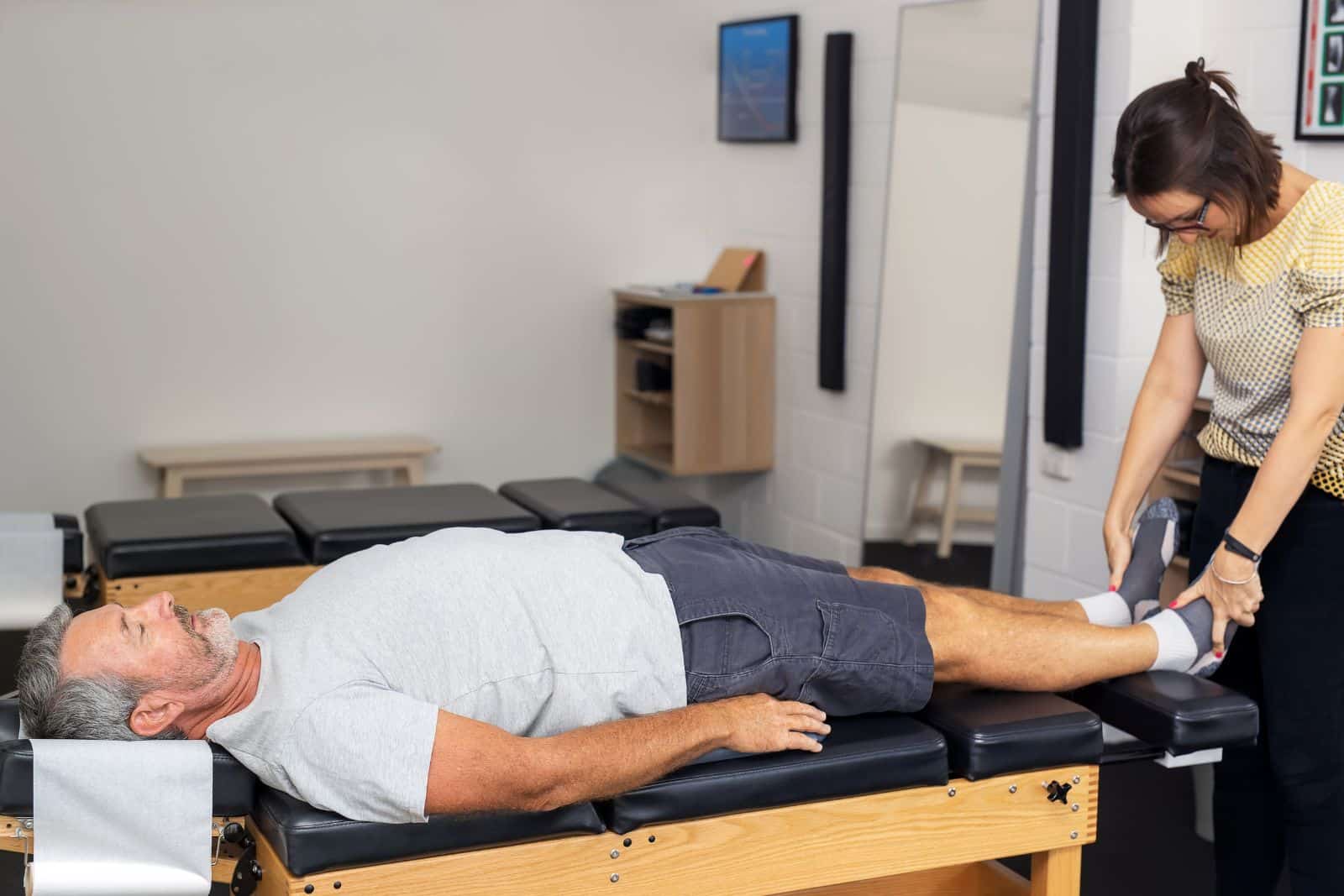
“Two of our treatments that we do are rigid taping and kinesio taping,” says Dr. Nash. While they might look similar to the untrained eye, their mechanical properties and physiological goals are vastly different.
Rigid Taping: Stability and Support
Rigid taping is the traditional approach many recognise from sideline sports medicine. Its primary purpose is structural: it is designed to limit the movement of a joint that is compromised or unstable.
“Rigid taping is pretty simple,” Dr. Nash explains. “It’s the old school taping where you would use it to stabilise a joint or help with stability.”
For instance, in cases of acute low back pain, the spine may require temporary bracing to prevent further irritation. “You might tape across the lumbar spine to actually hold them in position to reduce movement,” says Dr. Nash. “Rigid tape means it doesn’t move and it’s rigid.”
By restricting “at-risk” ranges of motion, rigid tape acts as an external ligament, protecting the area from further injury during the initial inflammatory phase.
Kinesio Taping: Movement and Healing
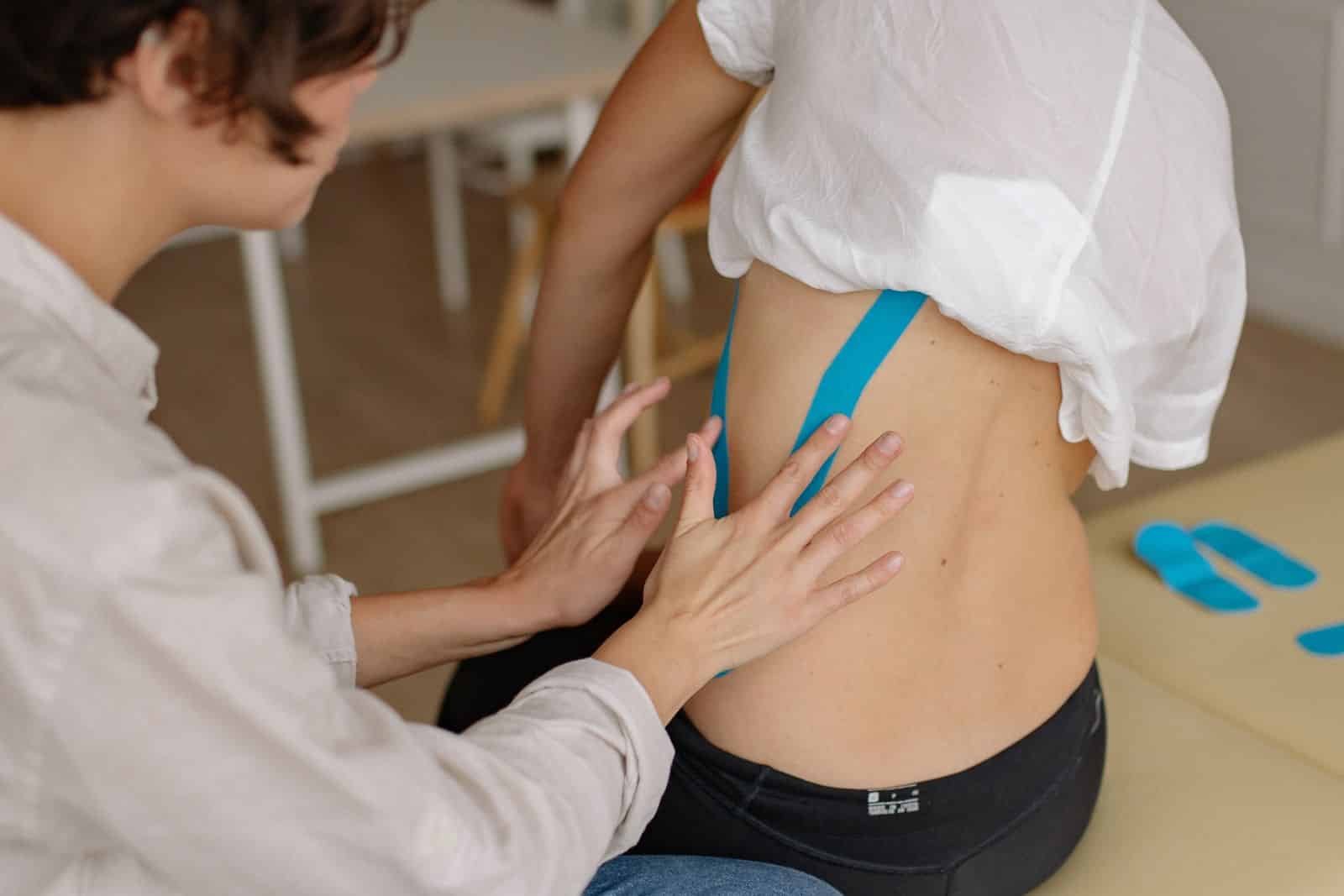
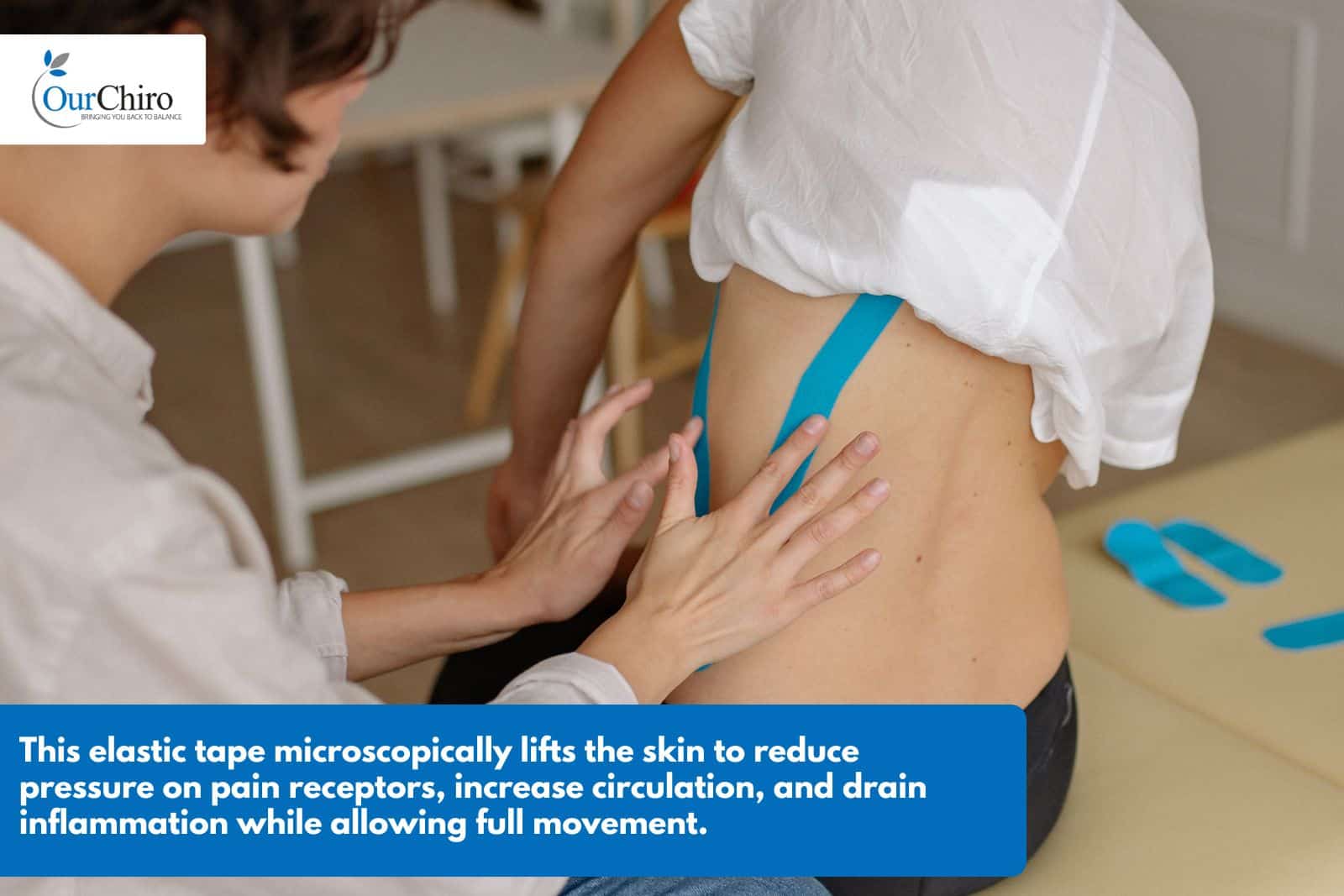
In contrast to the restrictive nature of rigid tape, Kinesio tape (often called K-Tape) is highly elastic and designed to move with the body. It mimics the elasticity of human skin, allowing for a full range of motion while providing neurological and circulatory benefits.
“Kinesio taping is a little bit different,” Dr. Nash observes. “It’s a specialised tape that when you take the backing off, it stretches to about 140% of its shape.”
Dr. Nash highlights its unique ability to influence the tissues beneath the skin: “We use this to help promote healing within a muscle to help reduce inflammation.” “It helps lift the skin, promote healing, and increase blood flow to the area.”
By microscopically lifting the skin, Kinesio tape creates a space between the dermis and the muscle. This reduced pressure allows for better lymphatic drainage and blood flow, which are critical for flushing out the chemical byproducts of injury.
Applications for Sports and Daily Life
The choice between these two methods depends entirely on the patient’s stage of recovery and their specific goals.
If you have suffered a sudden trauma, such as an ankle sprain on the basketball court or a wrist injury from a fall, stability is the priority. “You would use it on ankles or wrists that are unstable,” Dr. Nash explains. “Say for example, you’ve had an ankle sprain… playing basketball or footy. That’s what we’d use to tape that up with.”
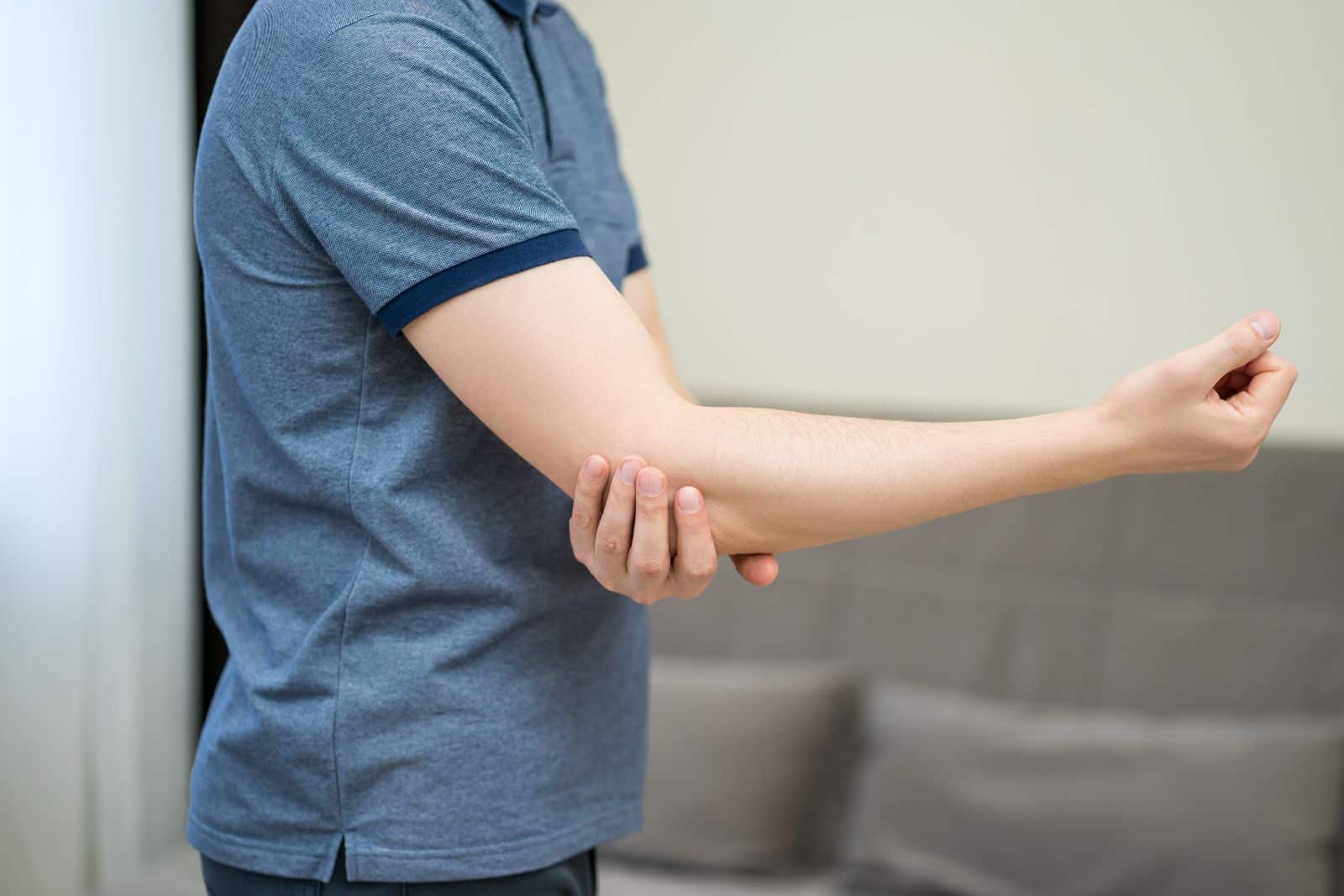
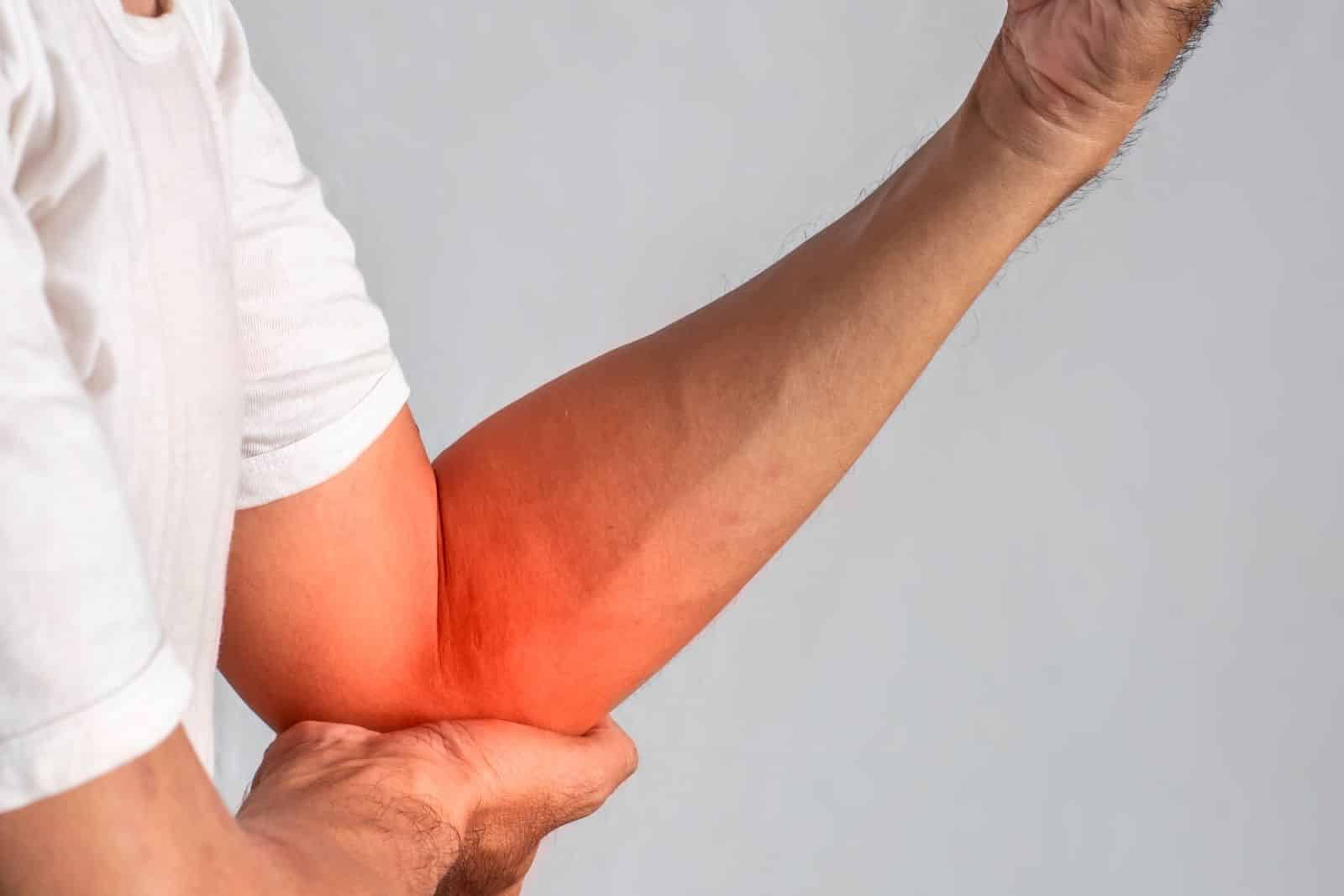
For ongoing issues like tennis elbow or muscle strains, Kinesio tape is often the preferred choice. It allows the athlete to continue their activity while providing support. “It’s a tape that we use when we want to keep movement happening in a controlled manner to allow optimal healing,” says Dr. Nash.
The Science Behind the Tape
The effectiveness of taping is supported by its ability to modulate pain through the “Gate Control Theory” and improve proprioception (the body’s awareness of its position in space).
A study published in the Journal of Quality in Health care & Economics suggests that Kinesio taping can significantly improve pain and functional status in patients with chronic musculoskeletal conditions by enhancing local circulation and reducing pressure on mechanoreceptors (Melese et al., 2020).
Furthermore, research in the International Journal of Sports Physical Therapy indicates that taping techniques can provide immediate improvements in joint stability, which is crucial for preventing re-injury in active populations (Williams et al., 2012).
Frequently Asked Questions (FAQs)
Q1: Is the tape waterproof? A: Yes, Kinesio tape is generally waterproof and designed to be worn for several days, including during showering or swimming.
Q2: Can I apply rigid tape myself? A: While possible, it is highly recommended to have a professional apply it first. Incorrect tension or placement can cut off circulation or fail to provide the necessary stability.
Q3: Will the tape irritate my skin? A: Most modern tapes, especially Kinesio tape used at Our Chiro, are hypoallergenic. However, if you have very sensitive skin, we can perform a small patch test first.
Q4: How long should I leave the tape on? A: Kinesio tape can usually stay on for 3–5 days. Rigid tape is often removed sooner, typically after a game or a day of heavy activity, to prevent skin irritation.
Q5: Does the colour of Kinesio tape matter? A: No, the different colours (pink, blue, black, beige) are purely aesthetic. The physical properties of the tape remain the same regardless of the colour.
Q6: Can taping help with bruising? A: Yes! As Dr. Nash mentions, cutting the tape into a “fan” or cross-fiber pattern can lift the skin and help dissipate a hematoma (bruise) much faster by improving lymphatic drainage.
Q6: Can taping be used for most situations? A: Taping is an effective strategy, but it’s not used as a “one size fits all approach”. Other treatments include manual adjustments, dry needling or activator therapy.
Book a Consult with Our Chiro Brisbane
We know how frustrating it is when an injury keeps you on the sidelines or makes simple daily tasks feel like a mountain to climb. Whether it’s that nagging ache in your elbow or a sudden “ping” in your back, that feeling of uncertainty wondering when you’ll feel “normal” again is something we see every day.
At Our Chiro Brisbane, we don’t just “apply tape.” We take the time to listen to your story, understand your pain, and create a recovery plan that fits your life. Our goal is to get you moving again with confidence and comfort.
Take the first step towards recovery. Book an appointment with Our Chiro Brisbane today.
References
Melese, H., Alamer, A., Hailu Temesgen, M., & Nigussie, F. (2020). Effectiveness of Kinesio Taping on the Management of Knee Osteoarthritis: A Systematic Review of Randomized Controlled Trials. Journal of Pain Research, Volume 13, 1267–1276. https://doi.org/10.2147/jpr.s249567
Williams, S., Whatman, C., Hume, P. A., & Sheerin, K. (2012). Kinesio taping in treatment and prevention of sports injuries: a meta-analysis of the evidence for its effectiveness. Sports Medicine (Auckland, N.Z.), 42(2), 153–164. https://doi.org/10.2165/11594960-000000000-00000
Video Transcript
Okay. Um, a common question we get in the clinic is, uh, one of our treatments that we or two of our treatments that we do is rigid taping and chis taping. So, rigid taping is pretty simple. It’s the old school taping where you would use it to stabilise a joint or help with stability. Uh, for example, someone that has low back pain. Um, you might tape across the lumbar spine to actually hold them in position to reduce movement. Um, so that’s our old original rigid tape. So rigid tape means it doesn’t move and it’s rigid. Um, and that’s pretty simple. So you would also use it, for example, on ankles or wrists that are unstable. Say for example, you’ve had a um an ankle sprain or something like that, playing basketball or footy. That’s what we’d use to tape that up with. And then the other one is kineso taping. Um, so kinesio taping is a little bit different. Um, it’s a specialised tape that when you take the backing off, it stretches to about 140% of its um, shape. We use this to help promote healing within a muscle to help reduce inflammation. So, we can use it for things like lympadeema or swelling. Um, and we can put it over certain muscle groups to activate or inhibit that muscle. Uh we use it a lot for example with tennis elbow um where we tape down the actual elbow to help reduce the inflammation around there. It helps lift the skin, promote healing, increase blood flow to the area. Um so it’s it’s a tape that we use when we want to keep movement um happening um in in a controlled manner to allow optimal healing. Um and then for example with hematomas or bruises, we can use it and cut it in certain ways. sometimes like in a cross fibre pattern and again that will lift the skin and actually help reduce uh the hematoma and usually in in nearly all cases increase the the healing time. Um it’s painless. It sticks directly onto the skin. It’s hypoallergenic. You can use it when you’re um training. You can use it during an activity. Um it stays on the footy field. Um and it can be and it’s waterproof. Um, so it’s great for patients when they leave the clinic um to actually use it as a therapy when we’re not there. So that’s taping.
This blog post was written and approved by Dr Simon Nash
Dr Simon Nash (M.Chiro, B.Chiro Sci.) is a chiropractor with over 20 years of clinical experience. He is a full professional member of Sports Medicine Australia (SMA) and Chiropractic Australia, and is AHPRA registered (CHI0000970189). Simon graduated from Macquarie University and is dual-registered to practise in Australia and Hong Kong.
He began his career in a multidisciplinary neurology-focused clinic in Sydney, developing a strong interest in treating headaches and migraines. Since 2006, he has operated Our Chiro Brisbane, now alongside his sisters Jessica and Rebecca.
Simon treats everyday injuries, workplace rehabilitation cases and complex presentations using a wide range of techniques. His sports medicine experience spans elite athletes including NRL and Rugby Union players, Olympians, and events like the Australian Open and Hong Kong 7s. He has also treated Guns N’ Roses during tour.


Disclaimer:
The information provided in this blog is for general informational purposes only and is not intended as medical advice. It should not be used to diagnose, treat, or replace professional consultation with a qualified healthcare provider. Always seek the advice of a chiropractor, GP, or other qualified health professional regarding any medical condition or treatment.
Click here to learn more about our editorial policy, that explains how content is created, fact-checked, and updated by qualified chiropractors and other health professionals.