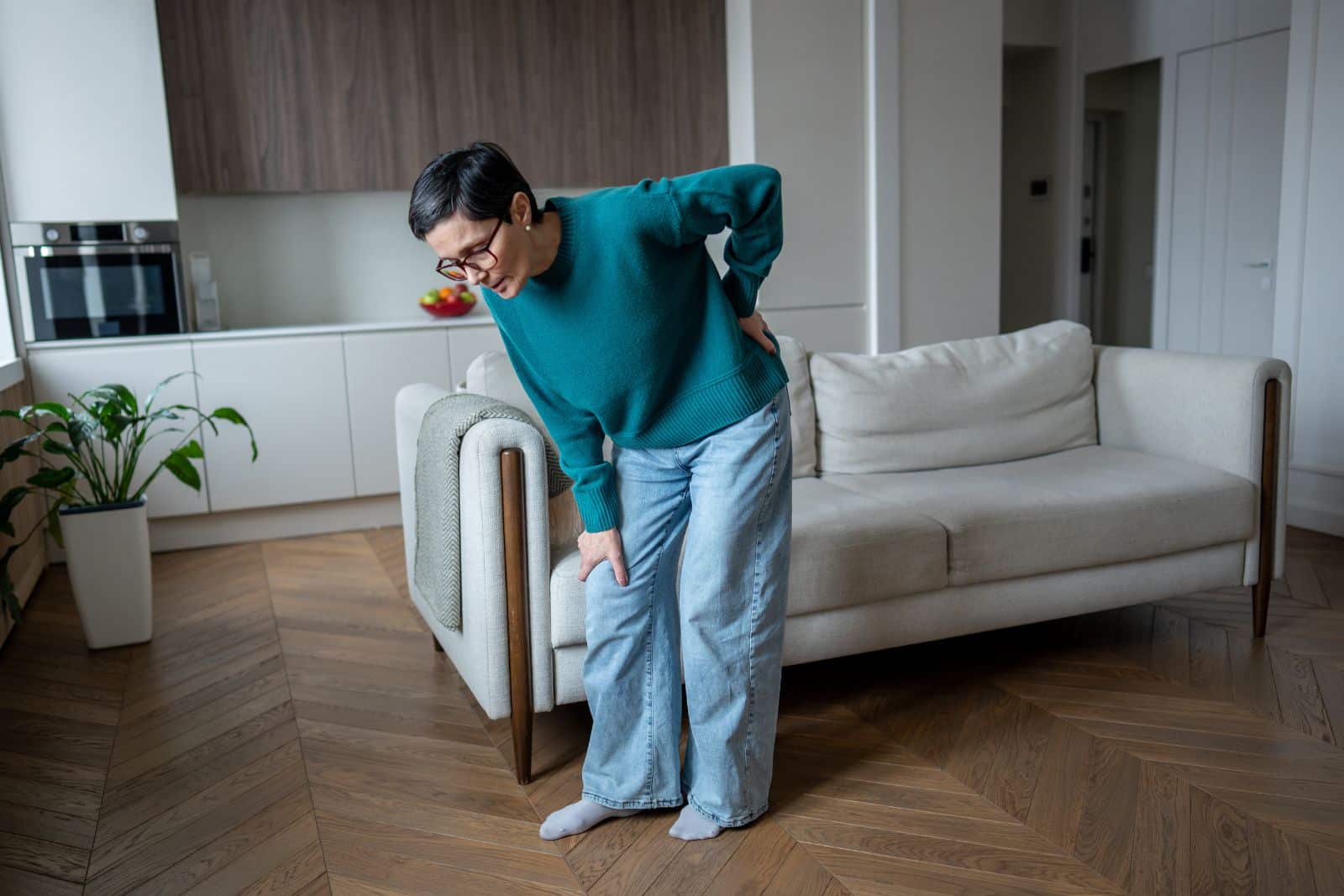
Sudden back spasm can be frightening. One moment you are bending forward to do something ordinary like changing the sheets or picking up keys, and the next moment your lower back “locks up” and you feel stuck in a painful, rigid position. Many people worry they have seriously injured themselves, yet this type of episode is very common and often straightforward to manage with the right care.
This fact sheet explains why the back can suddenly lock or spasm, what is happening in the body, and how chiropractic care may help calm the problem down.
In this article, Dr Simon Nash (Chiropractor) explains a common cause of acute back spasm known as iliolumbar ligament pain syndrome, and how it is typically managed in clinic.
Medical disclaimer: The information provided here is general in nature and is not intended as medical advice. It does not replace assessment or treatment by a qualified healthcare professional. Always consult your healthcare provider for advice specific to your situation.
Table of Contents
- Why the back can suddenly lock or spasm
- What is the iliolumbar ligament?
- Why the body goes into protective spasm
- What to do when your back locks up at home
- How chiropractic care can help back spasm
- Recovery and what to expect
- Frequently asked questions
- Book a consult with Our Chiro Brisbane
- References
- Video transcript
Why the back can suddenly lock or spasm
Back spasm often comes on without warning. It commonly happens during everyday movements rather than heavy lifting or sport.
“Sometimes we’ll be doing something really simple at home, like changing the sheets on the bed or bending forward to pick up the keys off the desk,” explains Dr Nash. “And bang, your back will go into spasm, and we’re sort of held in a rigid posture.”
This sudden loss of movement can feel alarming. People often describe feeling crooked, unable to straighten up, or fearful of moving at all.
What is the iliolumbar ligament?
In many acute locking episodes, the source of pain is not a disc or nerve, but a ligament in the lower back.
“When this happens, this is usually the iliolumbar ligament,” says Dr Nash. “We call it iliolumbar ligament pain syndrome.”
The iliolumbar ligament connects the lower lumbar spine to the pelvis. Its role is to provide stability during bending and twisting. If this ligament becomes irritated or overloaded, it can trigger a rapid protective response from the surrounding muscles.
Research published in Manual Therapy has shown that ligament irritation in the lower spine can provoke strong muscle guarding, which contributes to pain and stiffness rather than structural damage.
Why the body goes into protective spasm
A back spasm is often the body trying to protect itself.
“It’s where the body has a little bit of a panic,” Dr Nash explains. “The iliolumbar ligament goes into spasm, causing quite a bit of pain.”
Muscles around the lower back, pelvis, and glutes tighten rapidly to limit movement. This can result in what clinicians call an antalgic lean, where the body tilts or looks crooked as it avoids painful positions.
“Sometimes we can end up with what they call an antalgic lean, where we look a bit crooked,” says Dr Nash.
While painful, this response is usually temporary and settles once inflammation and muscle guarding reduce.
What to do when your back locks up at home
If a back spasm occurs at home, the priority is to calm the area rather than force movement.
“If you’re at home when this happens, usually it’s best to put ice on it,” Dr Nash advises. “But always check with your healthcare professional before you do any treatment at home.”
In the first 24 to 48 hours, avoiding aggressive stretching or sudden movements is often recommended. The goal is to reduce irritation, not push through pain.
How chiropractic care can help back spasm
Chiropractic care for acute back spasm focuses on reducing inflammation, easing muscle guarding, and restoring safe movement.
“When we’re in the clinic, we want to try and reduce that inflammation around the iliolumbar ligament and the low back,” explains Dr Nash.
Treatment may include:
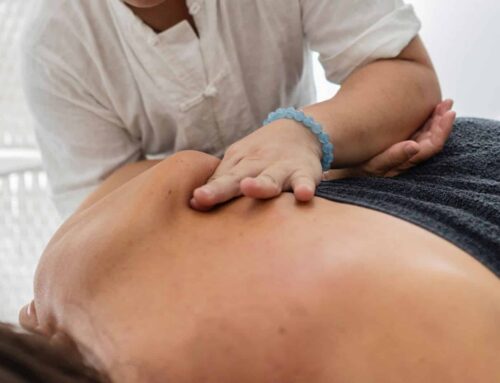
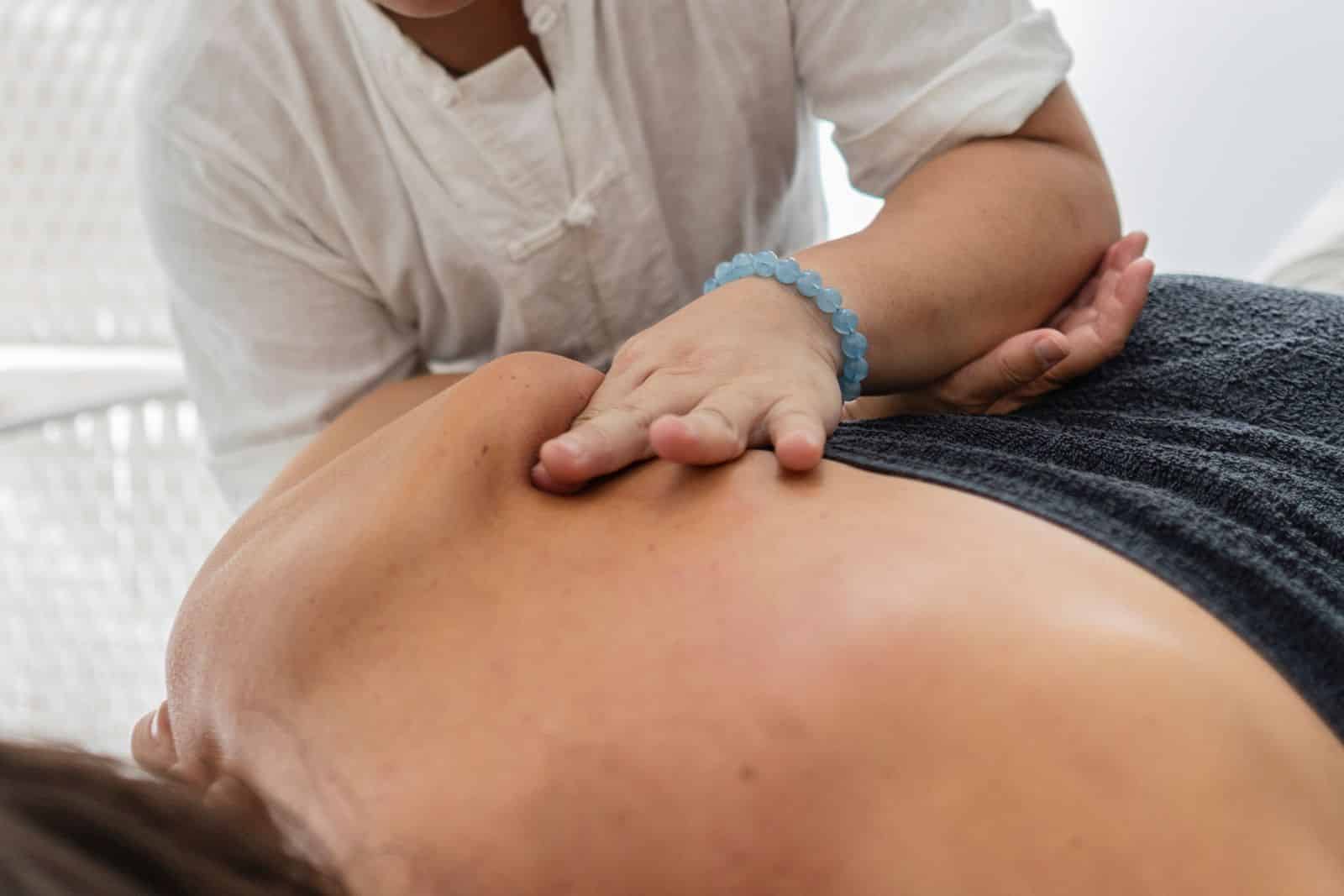
- Gentle soft tissue techniques to relax surrounding muscles
- Physical therapy style mobilisation to restore movement safely
- Needling in nearby muscles such as the glutes to reduce secondary spasm
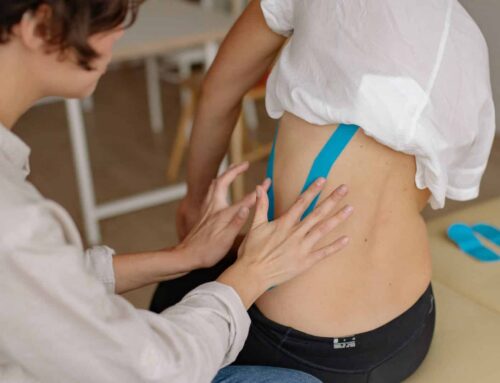
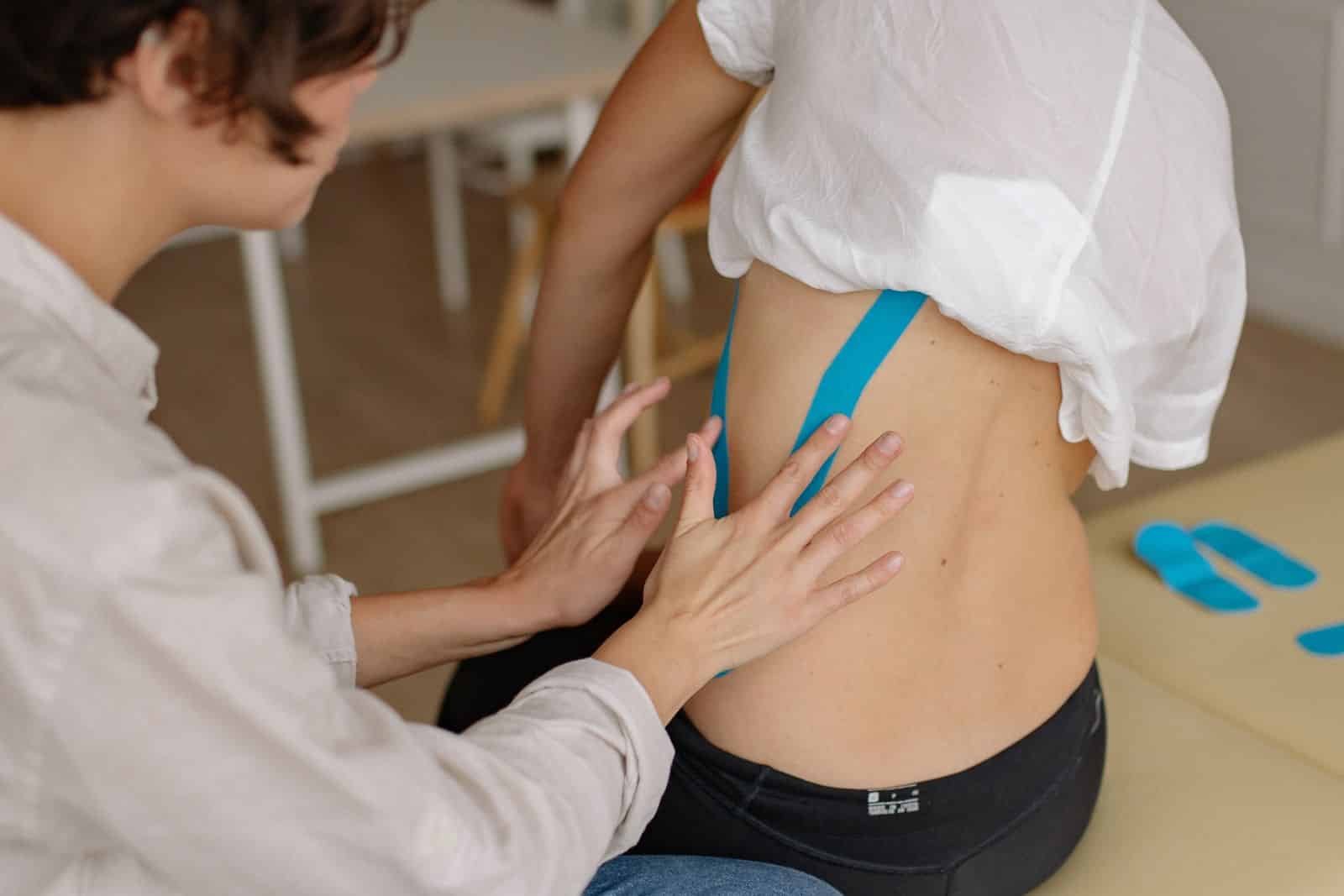
- Kinesio or rigid taping to support the lumbar spine and sacrum
“We might use some kinesio taping or rigid taping,” says Dr Nash. “Rigid taping helps hold the sacrum and lumbar spine and gives it a bit more support.”
At Our Chiro Brisbane, care plans may also include manual adjustments and dry needling where appropriate.
Recovery and what to expect
Although the pain can feel severe, this type of problem is often mechanical and responds quickly once the body settles.
“It’s usually quite a simple thing to treat, a simple biomechanical problem,” Dr Nash explains. “Once we’ve started to calm it down, it’s very quickly gone away.”
Patients may be reviewed within one or two days if symptoms are acute, with the focus on easing pain rather than long-term rehabilitation at that stage.
Frequently asked questions
Q: Why did my back spasm doing something so minor? A: Small movements can still load sensitive structures when the body is fatigued or irritated.
Q: Is a locked back a serious injury? A: In many cases, no. It is often a protective muscle response rather than structural damage.
Q: Should I keep moving or rest completely? A: Gentle, guided movement is usually better than total rest, but this should be individualised.
Q: How long does a back spasm last? A: Many cases improve significantly within a few days once inflammation settles.
Q: Is ice better than heat at the start? A: Ice is often recommended early to help calm inflammation.
Q: Should I see someone if it happens again? A: Yes. Recurrent episodes should be assessed to identify contributing factors.
Book a consult with Our Chiro Brisbane
When your back locks up, it can feel frightening and frustrating, especially if it happens during simple daily tasks. Many people worry they have done permanent damage or will be stuck like that.
At Our Chiro Brisbane, we understand how sudden back pain can disrupt your life. Our chiropractors focus on calming the problem, restoring movement safely, and helping you feel confident again.
If your back has gone into spasm, or you are concerned about recurring episodes, you can book an appointment here to have it assessed and managed appropriately.
References
- Vleeming, A. et al. (2008). Relation between form and function in the sacroiliac joint. Manual Therapy, 13(2), 93–102. https://pubmed.ncbi.nlm.nih.gov/17331798/
- Cholewicki, J., & McGill, S. (1996). Mechanical stability of the in vivo lumbar spine. Clinical Biomechanics, 11(1), 1–15. https://pubmed.ncbi.nlm.nih.gov/11415593/
Video transcript
What causes your back to lock up or spasm. So this is something that we commonly see all the time and a lot of us have experienced. Sometimes we’ll be doing something really simple at home, like changing the sheets on the bed or bending forward to pick up the keys off the desk and bang, your back will go into spasm, and we’re sort of held in a rigid posture. So when this happens, this is usually the iliolumbar ligament, or we call it iliolumbar ligament pain syndrome. And it’s where the body has a little bit of a panic and the iliolumbar ligament goes into spasm, causing quite a bit of pain. So it’s your body’s way of thinking it’s protecting you. Sometimes we can end up with what they call an antalgic lean, where we look a bit crooked, and what we want to do is try and calm that down or reduce that. If you’re at home when this happens, usually it’s best to put ice on it. But always check with your healthcare professional before you do any treatment at home. When we’re in the clinic, we want to try and reduce that inflammation around the iliolumbar ligament and the low back. We typically do some gentle soft tissue work. We do some gentle physical therapy where we might do some mobilisations and movement patterns. We might do some needling around structures away from the irritation, such as the glute muscles. We might use kinesio taping or rigid taping. Rigid taping helps support the sacrum and lumbar spine. We give recommendations and exercises if needed, usually just to help calm it down in the first 24 to 48 hours. We may see the patient again quite quickly. It’s usually a simple biomechanical problem, and once we calm it down, it resolves quickly. A lot of people panic about it, but it’s typically easy to treat.
This blog post was written and approved by Dr Simon Nash
Dr Simon Nash (M.Chiro, B.Chiro Sci.) is a chiropractor with over 20 years of clinical experience. He is a full professional member of Sports Medicine Australia (SMA) and Chiropractic Australia, and is AHPRA registered (CHI0000970189). Simon graduated from Macquarie University and is dual-registered to practise in Australia and Hong Kong.
He began his career in a multidisciplinary neurology-focused clinic in Sydney, developing a strong interest in treating headaches and migraines. Since 2006, he has operated Our Chiro Brisbane, now alongside his sisters Jessica and Rebecca.
Simon treats everyday injuries, workplace rehabilitation cases and complex presentations using a wide range of techniques. His sports medicine experience spans elite athletes including NRL and Rugby Union players, Olympians, and events like the Australian Open and Hong Kong 7s. He has also treated Guns N’ Roses during tour.


Disclaimer:
The information provided in this blog is for general informational purposes only and is not intended as medical advice. It should not be used to diagnose, treat, or replace professional consultation with a qualified healthcare provider. Always seek the advice of a chiropractor, GP, or other qualified health professional regarding any medical condition or treatment.
Click here to learn more about our editorial policy, that explains how content is created, fact-checked, and updated by qualified chiropractors and other health professionals.