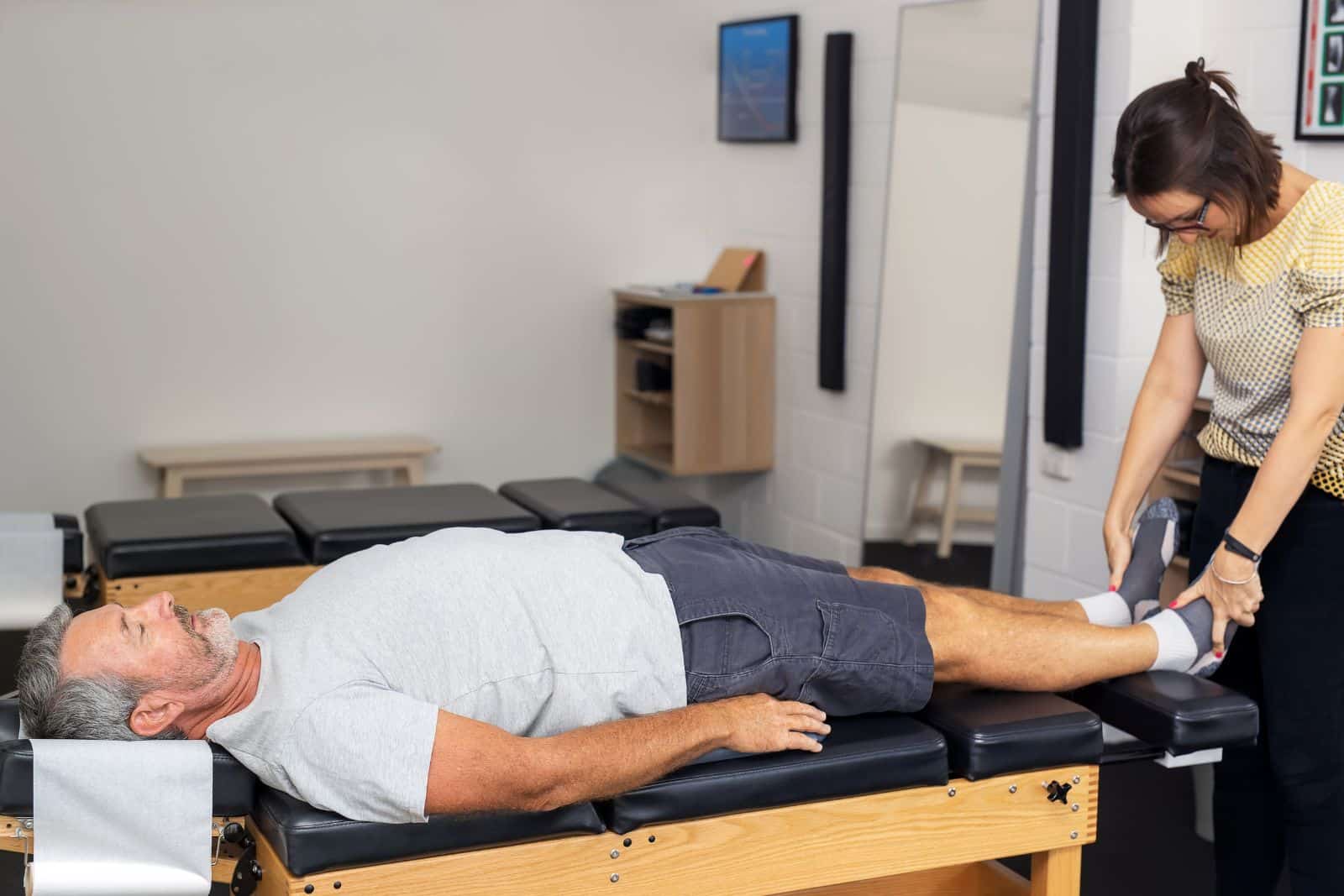
The iliopsoas is one of those muscles many people haven’t heard of… until it starts causing problems. Whether you’re an athlete pushing through training, someone recovering from a back injury, or simply dealing with hip discomfort that won’t go away, understanding this powerful muscle group is the first step toward finding relief.
In this fact sheet, Dr. Simon Nash (Chiropractor) discusses what the iliopsoas is, why it’s so important for everyday movement, and what happens when this critical muscle becomes overloaded or dysfunctional.
Please note: The information provided in this article is for general knowledge and informational purposes only, and does not constitute medical advice. It is essential to consult with a qualified healthcare professional for a diagnosis and personalised treatment plan.
Table of Contents
- What Is the Iliopsoas Muscle?
- The Anatomy: Two Muscles Working as One
- The Role of Iliopsoas in Movement
- Common Causes of Iliopsoas Dysfunction
- Signs and Symptoms of Iliopsoas Problems
- How Iliopsoas Issues Develop
- Chiropractic and Manual Therapy Treatment Options
- Frequently Asked Questions (FAQs)
- Book a Consult with Our Chiro Brisbane
- References
- Video Transcript
What Is the Iliopsoas Muscle?
The iliopsoas is often described as the strongest hip flexor in the human body, and for good reason. This muscle group plays a fundamental role in almost every lower body movement we make throughout the day. From getting out of bed in the morning to climbing stairs, kicking a ball, or maintaining posture while sitting, the iliopsoas is constantly at work.
Understanding its structure and function helps explain why problems with this muscle can cause such widespread discomfort and limitation in daily activities.
The Anatomy: Two Muscles Working as One
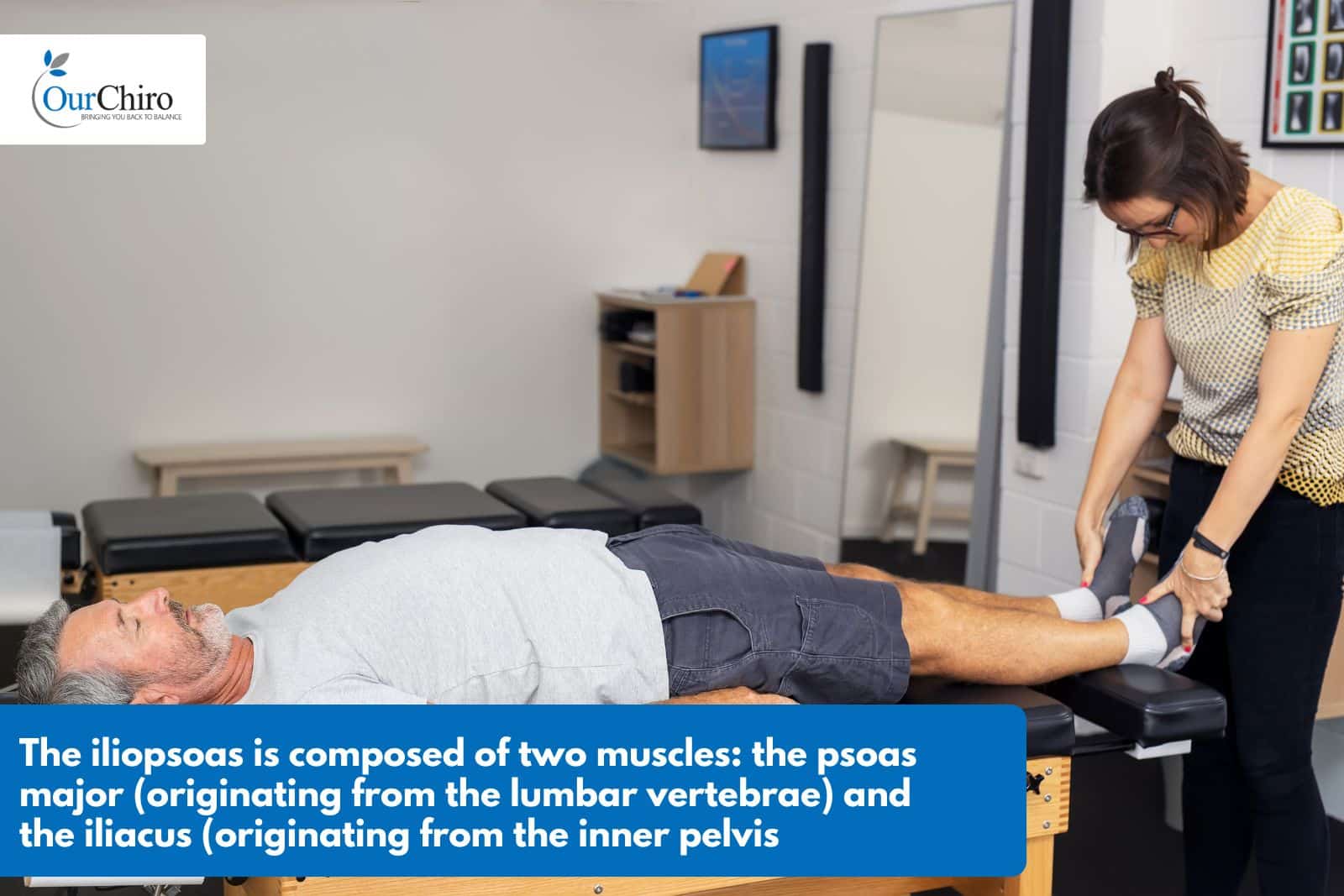
Despite being referred to as a single muscle, the iliopsoas is actually composed of two distinct muscles that work in tandem: the iliacus and the psoas major. These two muscles have different origins but share a common insertion point on the femur (thighbone), which allows them to function as a powerful unit.
The psoas major originates from the lumbar spine (lower back vertebrae), running down through the pelvis. This connection to the spine means that lower back problems can directly impact psoas function, and conversely, a tight or dysfunctional psoas can contribute to low back pain.
The iliacus originates from the inner surface of the pelvis (the iliac fossa) and joins with the psoas major to form a combined tendon. Together, these muscles are commonly referred to simply as “the psoas muscle” in everyday conversation, though the proper anatomical term remains iliopsoas.
This unique anatomy creates a direct link between the spine, pelvis, and hip which explains why iliopsoas dysfunction can manifest as pain in multiple areas and why addressing it requires a comprehensive approach.
The Role of Iliopsoas in Movement
The iliopsoas is essential for hip flexion the movement that brings your thigh toward your chest. This action is involved in virtually every step you take, making it one of the most frequently used muscle groups in the body.
During walking, the iliopsoas lifts the leg forward with each stride. When running, it works even harder to generate the hip flexion needed for speed and power. Climbing stairs places significant demand on this muscle group, as does getting in and out of a car, standing up from a seated position, or performing exercises like leg raises and knee drives.
Beyond movement, the iliopsoas plays a crucial role in postural stability. It helps maintain the natural curve of the lumbar spine and contributes to core stability during both static positions and dynamic activities. Athletes in sports requiring explosive lower body movements — such as football, soccer, dancing, and martial arts — rely heavily on a healthy, functional iliopsoas.
Dr. Nash emphasises the wide-reaching importance of this muscle group in clinical practice.
“Its important role is when we’re walking, running, walking upstairs, and it’s a muscle that often has issues around it when the body’s under load.”
This constant demand makes the iliopsoas particularly vulnerable to overuse, strain, and compensatory dysfunction when other areas of the body aren’t working properly.
Common Causes of Iliopsoas Dysfunction
Iliopsoas problems rarely develop in isolation. More often, they’re the result of compensation patterns, overload, or biomechanical imbalances elsewhere in the body. Understanding what causes these issues is key to preventing them and developing an effective treatment strategy.
- Low back injuries and pain: are among the most common triggers for iliopsoas dysfunction. When the spine is injured or painful, the body naturally alters movement patterns to protect the affected area. The iliopsoas, given its direct attachment to the lumbar vertebrae, often becomes overworked as it attempts to compensate for weakened or painful spinal structures.
- Poor gym form and training errors frequently lead to iliopsoas strain. Exercises like sit-ups, leg raises, and heavy squats place significant stress on this muscle group. When performed with poor technique, inadequate warm-up, or excessive load, the iliopsoas can become strained or develop trigger points that cause persistent pain.
- Prolonged sitting is a particularly insidious contributor to iliopsoas problems. When you sit for extended periods, the iliopsoas remains in a shortened position for hours at a time. Over time, this can lead to adaptive shortening, where the muscle loses its normal length and flexibility. When you then try to stand or move, the shortened muscle cannot function properly, leading to pain and movement restrictions.
- Overuse in athletic activities is another common pathway to iliopsoas dysfunction. Runners, dancers, martial artists, and cyclists are particularly susceptible due to the repetitive hip flexion demands of their sports. Without adequate recovery, cross-training, and attention to technique, these athletes may develop chronic iliopsoas issues that limit performance and cause persistent discomfort.
Dr. Nash regularly sees these patterns in clinical practice, noting that identifying the underlying cause is essential for successful treatment.
“If you have a low back issue, it might be overloaded. If you have poor form at the gym or doing certain sports, again, it might be overloaded.”
Signs and Symptoms of Iliopsoas Problems
Iliopsoas dysfunction can manifest in several ways, and the presentation often varies depending on the underlying cause and the individual’s activity level. Recognising these symptoms early can help prevent the condition from becoming chronic and more difficult to treat.
- Deep groin or hip pain is perhaps the most characteristic symptom of iliopsoas problems. This pain is typically felt deep in the front of the hip or groin area and may be described as a deep ache or sharp discomfort. The pain often worsens with activities that require hip flexion, such as climbing stairs, getting out of a car, or lifting the knee toward the chest.
- Lower back pain can also be a prominent feature, particularly when the psoas major is involved. Because this muscle attaches directly to the lumbar spine, tension or dysfunction in the psoas can pull on the vertebrae, contributing to low back discomfort and stiffness. This pain may be felt on one or both sides of the lower back and is often worse with prolonged standing or walking.
- Limited hip extension is another common finding. When the iliopsoas is tight or shortened, it restricts the ability to extend the hip fully — the movement required when you push off during walking or take a long stride. This limitation can affect walking gait, running mechanics, and overall mobility.
- Pain when standing from sitting is frequently reported by people with iliopsoas dysfunction. This occurs because the transition from sitting to standing requires the shortened muscle to lengthen quickly, which can be painful and uncomfortable if the muscle is tight or irritated.
- Compensatory movement patterns** often develop as the body attempts to avoid painful movements. These compensations can lead to secondary problems in other areas, such as the opposite hip, knees, or even the neck and shoulders.
How Iliopsoas Issues Develop
Understanding the progression of iliopsoas dysfunction helps explain why early intervention is so important. In many cases, the problem begins subtly and gradually worsens if not addressed.
The cycle often starts with increased mechanical stress from one of the causes mentioned earlier poor posture, training errors, prolonged sitting, or compensation for another injury. Initially, the muscle may simply feel tight or fatigued, symptoms that are often dismissed or attributed to normal soreness.
As the stress continues, muscle tension and trigger points develop. These are hyperirritable spots within the muscle that can refer pain to other areas, including the lower back, hip, and even down the front of the thigh. Trigger points in the iliopsoas are notoriously difficult for people to address on their own because of the muscle’s deep location.
Without intervention, adaptive shortening occurs. The muscle essentially “forgets” its normal resting length and remains in a chronically shortened state. This not only causes pain and movement restriction but also alters biomechanics throughout the lower body, potentially leading to problems in the hips, knees, and lower back.
Eventually, chronic dysfunction sets in, where the muscle becomes weak despite being tight, movement quality deteriorates significantly, and pain becomes a constant companion rather than an occasional nuisance. At this stage, recovery requires more comprehensive intervention and a longer treatment timeframe.
Dr. Nash emphasises the importance of addressing iliopsoas issues before they reach this chronic stage.
“It’s a very important muscle and it’s a muscle that we need to look after and make sure that it doesn’t have any issues around it.”
Chiropractic and Manual Therapy Treatment Options
At Our Chiro Brisbane, we take a comprehensive approach to treating iliopsoas dysfunction. Because this muscle is deeply positioned and closely connected to the spine and pelvis, treatment requires skilled manual therapy techniques combined with targeted rehabilitation strategies.
Treatment typically includes:
- Soft tissue release – manual techniques to reduce muscle tension and break up adhesions
- Trigger point therapy – targeted pressure to deactivate painful trigger points in the iliopsoas
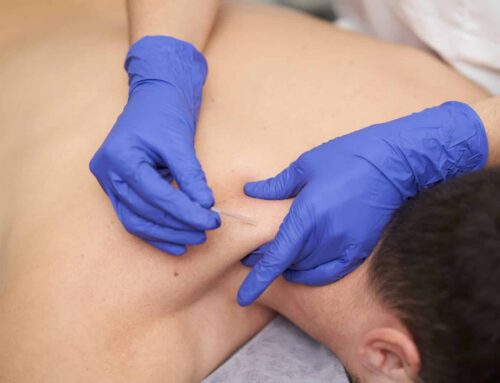
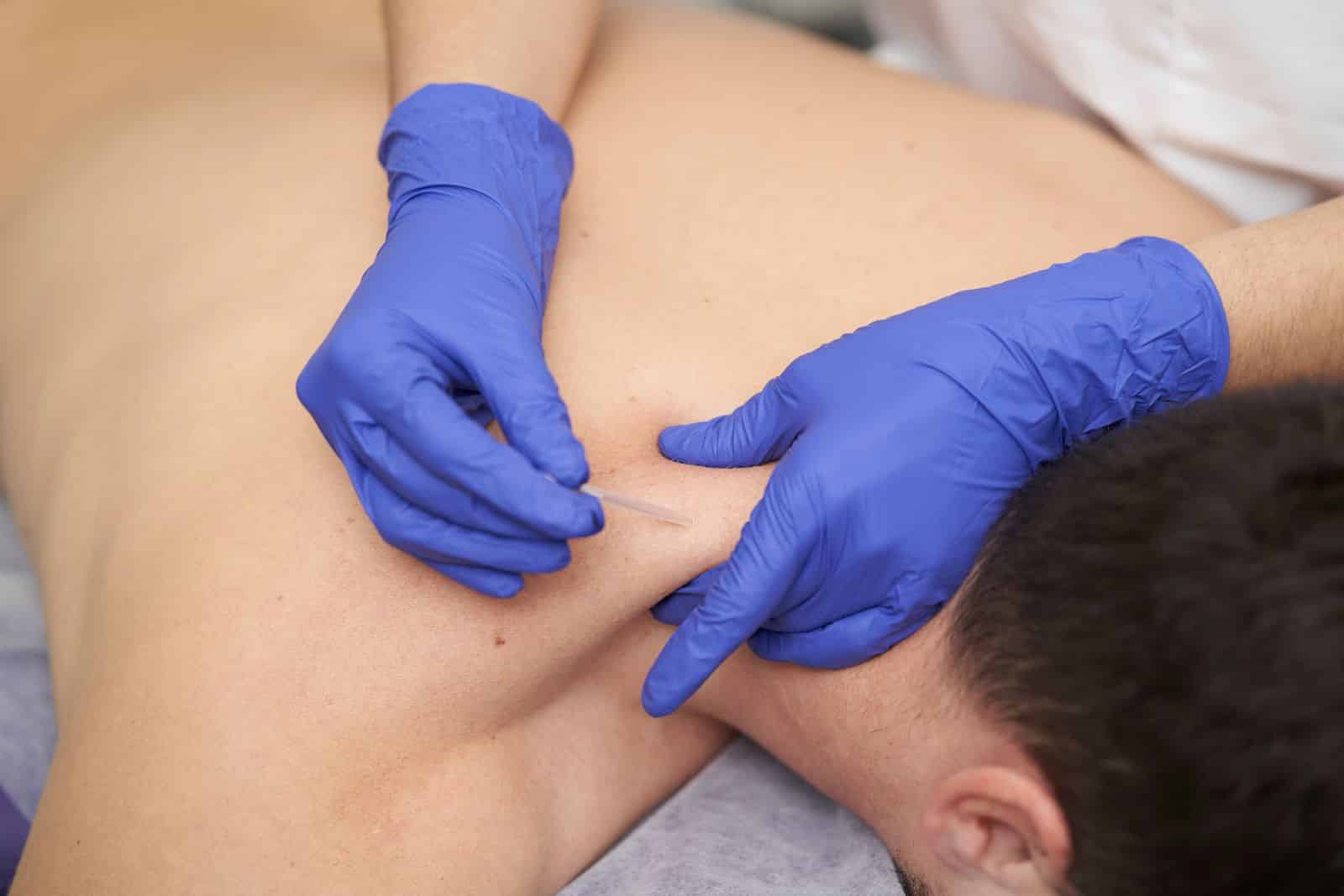
- Dry needling – releases deep muscle tension that’s difficult to reach with hands-alone techniques
- Joint mobilisation – restores normal movement in the lumbar spine and hip joint
- Chiropractic adjustments – corrects spinal and pelvic alignment issues contributing to muscle dysfunction
- Muscle energy techniques – uses controlled muscle contractions to restore normal muscle length
- Stretching protocols – specific stretches targeting the iliopsoas and surrounding hip flexors
- Strengthening exercises – addresses muscle imbalances and builds stability in the hip and core
- Postural correction – identifies and corrects sitting and standing habits that perpetuate the problem
- Movement retraining – teaches proper biomechanics for daily activities and sport-specific movements
Frequently Asked Questions (FAQs)
Q:How do I know if my hip pain is coming from the iliopsoas or something else? A: Iliopsoas-related pain is typically felt deep in the front of the hip or groin and worsens with activities requiring hip flexion, such as climbing stairs or lifting your knee. A thorough clinical examination by a chiropractor or physiotherapist can differentiate iliopsoas problems from other hip conditions like arthritis, labral tears, or referred pain from the lower back.
Q:Can I stretch the iliopsoas myself, or do I need professional treatment? A: While stretching can be helpful for maintaining flexibility, accessing and effectively treating a dysfunctional iliopsoas usually requires skilled manual therapy due to its deep location. Self-stretching is beneficial for maintenance and prevention, but if you’re already experiencing pain or significant tightness, professional treatment is recommended to address trigger points and restore normal muscle function.
Q:How long does it take to recover from iliopsoas dysfunction? A: Recovery time varies depending on the severity and chronicity of the problem. Acute strains may improve within a few weeks with appropriate treatment, while chronic, long-standing dysfunction may require several months of consistent therapy and rehabilitation. Early intervention significantly improves recovery time.
Q:Will I need to stop running or exercising while treating an iliopsoas problem? A: Not necessarily. In most cases, you can continue modified activity while undergoing treatment. Your chiropractor will help you identify which movements to avoid or modify and which activities you can safely continue. Complete rest is rarely required, but activity modification is often necessary during the healing process.
Q:Can sitting too much really cause permanent damage to the iliopsoas? A: While prolonged sitting won’t cause “permanent damage” in the traditional sense, it can lead to significant adaptive changes in muscle length and function that become increasingly difficult to reverse over time. The good news is that with consistent treatment and lifestyle modifications, even long-standing tightness can improve significantly.
Q:Is iliopsoas dysfunction more common in athletes or sedentary people? A: Both populations are at risk, but for different reasons. Athletes may develop problems through overuse and training errors, while sedentary individuals often develop issues related to prolonged sitting and weakened supporting muscles. The key is that the iliopsoas is vulnerable whenever there’s an imbalance between demand and capacity.
Q:Can problems with the iliopsoas affect my lower back? A: Absolutely. The psoas major attaches directly to the lumbar vertebrae, so tension or dysfunction in this muscle can pull on the spine, contributing to lower back pain and stiffness. Conversely, lower back problems often lead to iliopsoas dysfunction as the muscle attempts to compensate for spinal issues. This interconnection is why comprehensive assessment and treatment of both areas is often necessary.
Book a Consult with Our Chiro Brisbane
We understand how frustrating it is when hip or groin pain limits the activities you love — whether that’s running, playing with your kids, or simply getting through your workday without discomfort. At Our Chiro Brisbane, we specialise in identifying and treating the root causes of iliopsoas dysfunction, not just masking the symptoms. book your appointment online or call us on (07) 3257 0399
References
- Sajko, S., & Stuber, K. (2009). Psoas Major: a case report and review of its anatomy, biomechanics, and clinical implications. The Journal of the Canadian Chiropractic Association, 53(4), 311–318. https://pubmed.ncbi.nlm.nih.gov/20037696/
- Penney, T., Ploughman, M., Austin, M. W., Behm, D. G., & Byrne, J. M. (2014). Determining the Activation of Gluteus Medius and the Validity of the Single Leg Stance Test in Chronic, Nonspecific Low Back Pain. Archives of Physical Medicine and Rehabilitation, 95(10), 1969–1976. https://doi.org/10.1016/j.apmr.2014.06.009
Video Transcript
One of the questions that we often get in the clinic is what’s the iliopsoas? The iliopsoas is the strongest hip flexor in the body. It’s made up of two muscles, the iliacus and the psoas muscle. It’s also commonly known as the psoas muscle. Its important role is when we’re walking, running, walking upstairs, and it’s a muscle that often has issues around it when the body’s under load. So for example, if you have a low back issue, it might be overloaded. If you have poor form at the gym or doing certain sports, again, it might be overloaded. So people end up with pain and discomfort around that area. It’s a very important muscle and it’s a muscle that we need to look after and make sure that it doesn’t have any issues around it. As I said, it’s really important with walking and running, so we need to look after it.
This blog post was written and approved by Dr Simon Nash
Dr Simon Nash (M.Chiro, B.Chiro Sci.) is a chiropractor with over 20 years of clinical experience. He is a full professional member of Sports Medicine Australia (SMA) and Chiropractic Australia, and is AHPRA registered (CHI0000970189). Simon graduated from Macquarie University and is dual-registered to practise in Australia and Hong Kong.
He began his career in a multidisciplinary neurology-focused clinic in Sydney, developing a strong interest in treating headaches and migraines. Since 2006, he has operated Our Chiro Brisbane, now alongside his sisters Jessica and Rebecca.
Simon treats everyday injuries, workplace rehabilitation cases and complex presentations using a wide range of techniques. His sports medicine experience spans elite athletes including NRL and Rugby Union players, Olympians, and events like the Australian Open and Hong Kong 7s. He has also treated Guns N’ Roses during tour.


Disclaimer:
The information provided in this blog is for general informational purposes only and is not intended as medical advice. It should not be used to diagnose, treat, or replace professional consultation with a qualified healthcare provider. Always seek the advice of a chiropractor, GP, or other qualified health professional regarding any medical condition or treatment.
Click here to learn more about our editorial policy, that explains how content is created, fact-checked, and updated by qualified chiropractors and other health professionals.