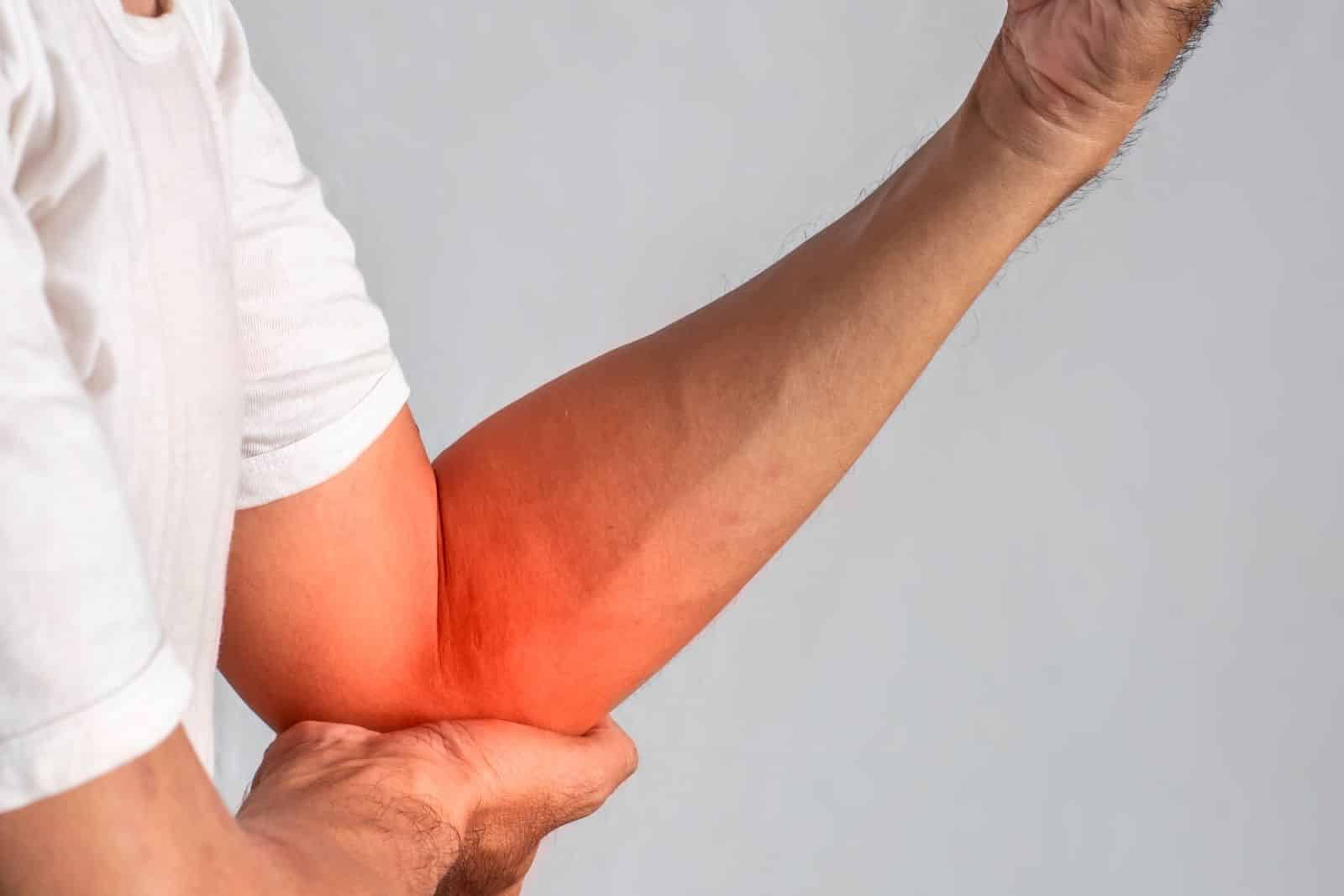
Tendonitis is a common yet often debilitating condition that can affect anyone, from elite athletes and tradespeople to office workers. Whether it’s a sharp pain in your elbow when you pick up a coffee cup or a dull ache in your shoulder that prevents you from sleeping, tendonitis signifies that your body’s natural repair mechanisms are struggling to keep up with the demands being placed on them. This fact sheet is designed to help you understand why these injuries occur and how professional care can facilitate a smoother recovery.
In this article, Dr. Simon Nash (Chiropractor) discusses the mechanics of tendon irritation, common triggers found in daily life, and the multi-faceted chiropractic approach used to restore function.
Medical Disclaimer: The information provided in this article is for general knowledge and informational purposes only and does not constitute medical advice. It is essential to consult with a qualified healthcare professional for a diagnosis and personalised treatment plan.
Table of Contents
- What is Tendonitis?
- Common Causes and Risk Factors
- Recognising the Symptoms
- Specific Conditions: From Tennis Elbow to Shoulder Pain
- The Our Chiro Approach to Treatment
- Frequently Asked Questions (FAQs)
- Book a Consult with Our Chiro Brisbane
- References
- Video Transcript
What is Tendonitis?
Tendons are the thick, fibrous cords that attach muscle to bone. They are designed to withstand tension, but they are not indestructible. When a tendon is subjected to repetitive stress or sudden injury, it can develop “microtrauma.”
“Tendonitis is where you have irritation or microtrauma to the tendon,” explains Dr. Simon Nash. “And there’s obviously a lot of inflammation around there. The body can’t keep up with repair and you end up with quite a lot of pain and swelling around that area.”
While the terms “tendonitis” (acute inflammation) and “tendinopathy” (chronic degeneration) are often used interchangeably in casual conversation, both indicate that the tendon’s structural integrity has been compromised.
Common Causes and Risk Factors
Tendonitis doesn’t discriminate based on age. As Dr. Nash notes, “It’s not just elderly people, it’s not just young people. It’s across the whole range of society,” he says. The primary driver is usually a mismatch between the load applied to the tendon and the tendon’s ability to handle that load.
“Tendonitis is often from overuse or repetitive strain,” says Dr. Nash. “If you think about someone in the gym, for example, lifting incorrectly or overloading what they’re doing… that could cause inflammation.”
Recognising the Symptoms
Most patients first notice tendonitis as a dull ache concentrated around a joint. This pain typically intensifies during or after activity. You might also notice:
- Tenderness when touching the affected area.
- Mild swelling or a “thickened” feeling in the tendon.
- A loss of grip strength or reduced range of motion.
Specific Conditions: Tennis and Golfer’s Elbow
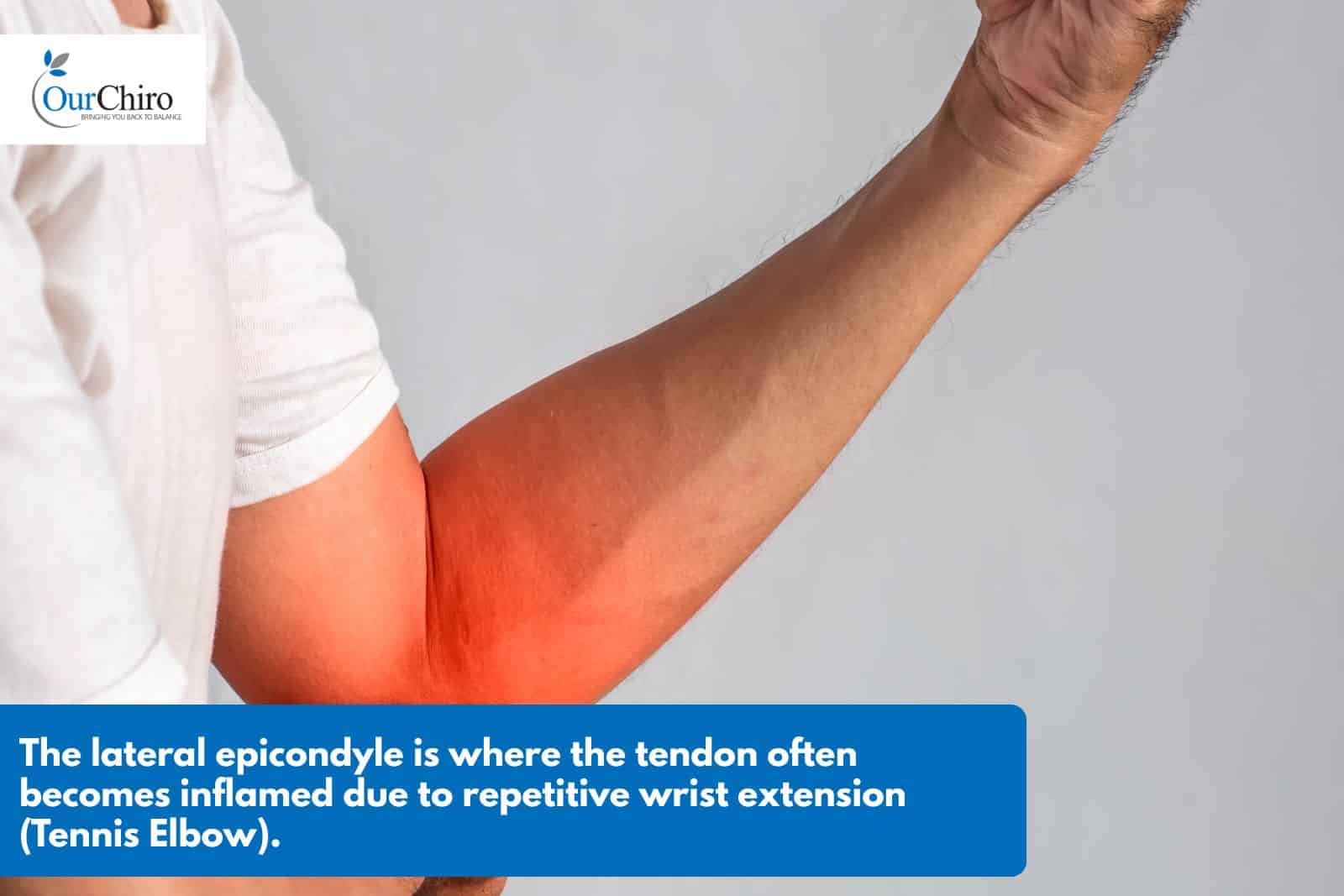
Despite the names, these conditions rarely involve a racquet. Tennis elbow (lateral epicondylitis) affects the outside of the elbow, while golfer’s elbow (medial epicondylitis) affects the inside.
“Tennis elbow is synonymous with not just tennis, but, for example, builders using hammers and using repetitive movement,” Dr. Nash explains. “You would end up with pain on the outside of your elbow… grasp strength is reduced and lifting things is painful.”
Shoulder and Rotator Cuff
The shoulder is a complex joint, making it highly susceptible to tendinopathies. If left untreated, this can progress into more restrictive conditions.
“Another example would be rotator cuff injuries or frozen shoulder,” says Dr. Nash. “Sometimes you would have tendonitis or tendinopathies that are created there, and then you would have a reduction in the movement of the shoulder.”
The Our Chiro Approach to Treatment
At Our Chiro Brisbane, we don’t just look at the site of the pain; we look at the biomechanical chain to see why that tendon was overloaded in the first place. Research published in the Journal of Clinical Medicine suggests that eccentric exercise and manual therapy are key components in managing tendon health [1].
Furthermore, a study in the Journal of Orthopaedic Surgery and Research highlights that Shockwave Therapy (ESWT) is significantly effective for chronic tendon injuries by stimulating a healing response in the tissue [2].
Dr. Nash outlines several advanced modalities we use to facilitate repair:
- Cold Laser Therapy: This is a painless, non-invasive treatment. “Cold laser is really effective at actually improving blood flow and cellular repair,” says Dr. Nash.
- Shockwave Therapy: Used to break down adhesions and “re-start” the healing process in chronic cases.
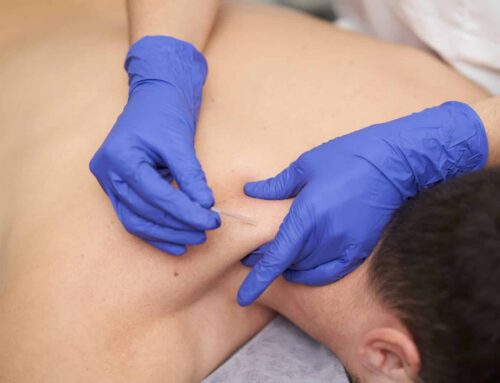
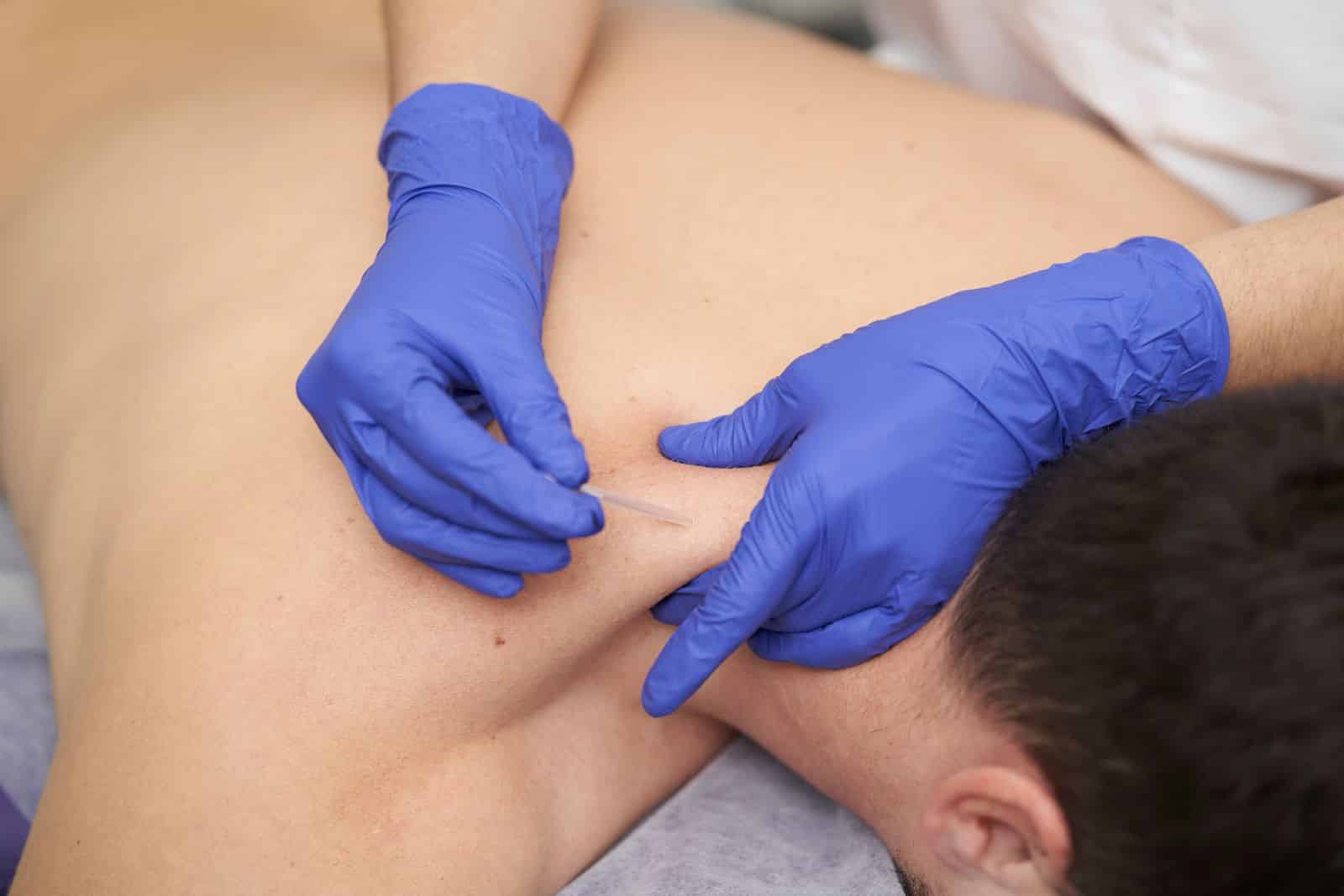
- Dry Needling: “We would use dry needling to help take pressure and pain away from the muscles that are either overused or underactive,” Dr. Nash notes.
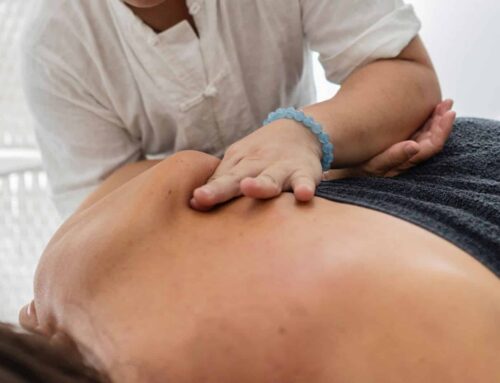
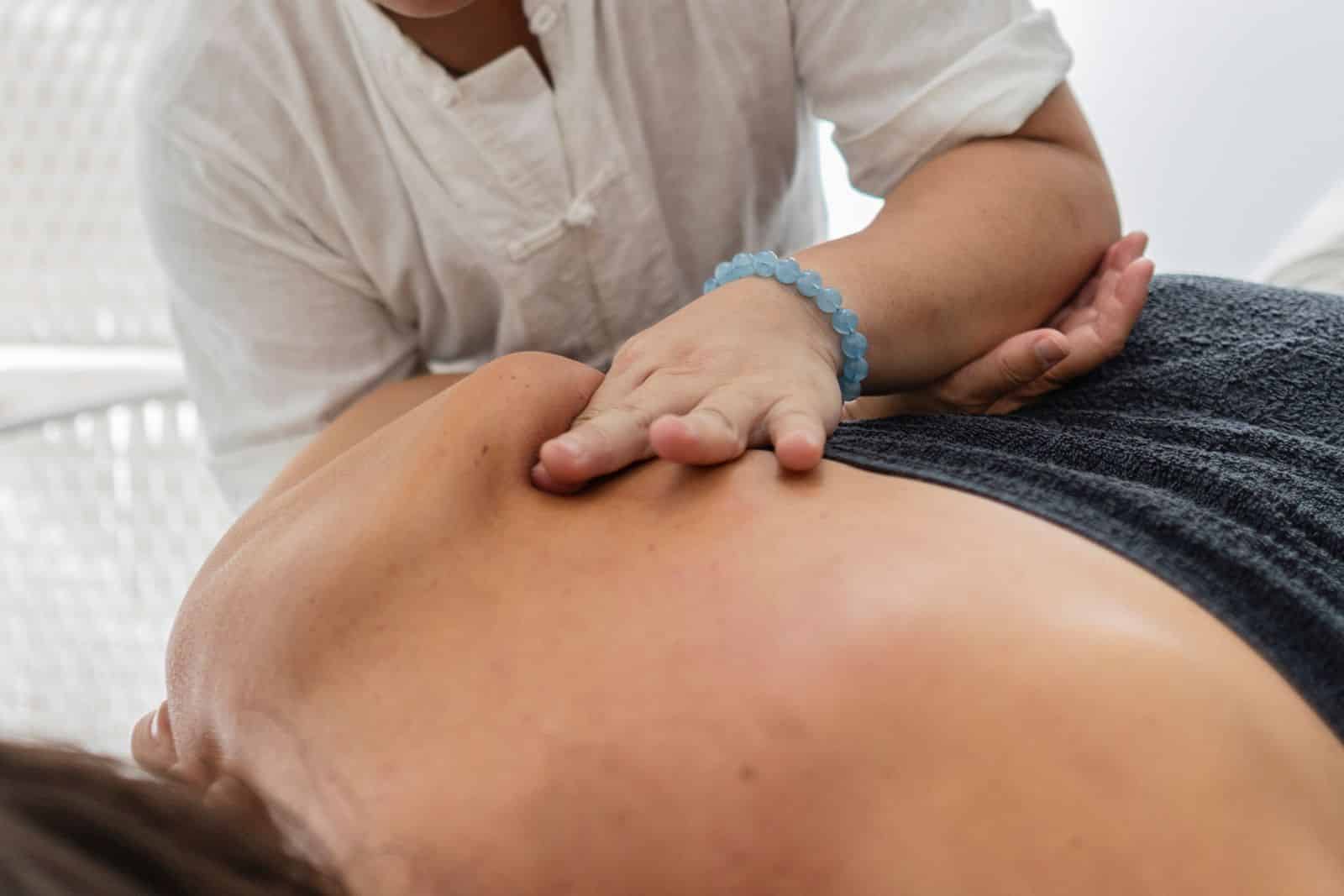
- Active Release & Mobilisation: Targeted soft tissue work helps ensure the muscles surrounding the tendon are functioning correctly, reducing the overall “tug” on the injured site.
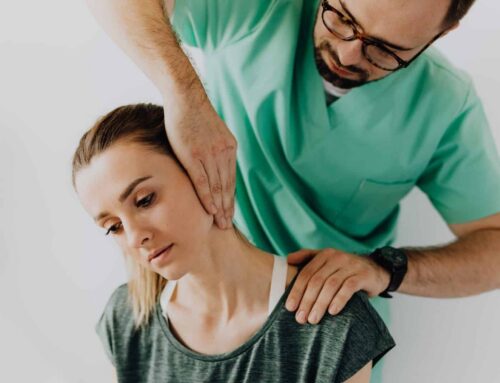
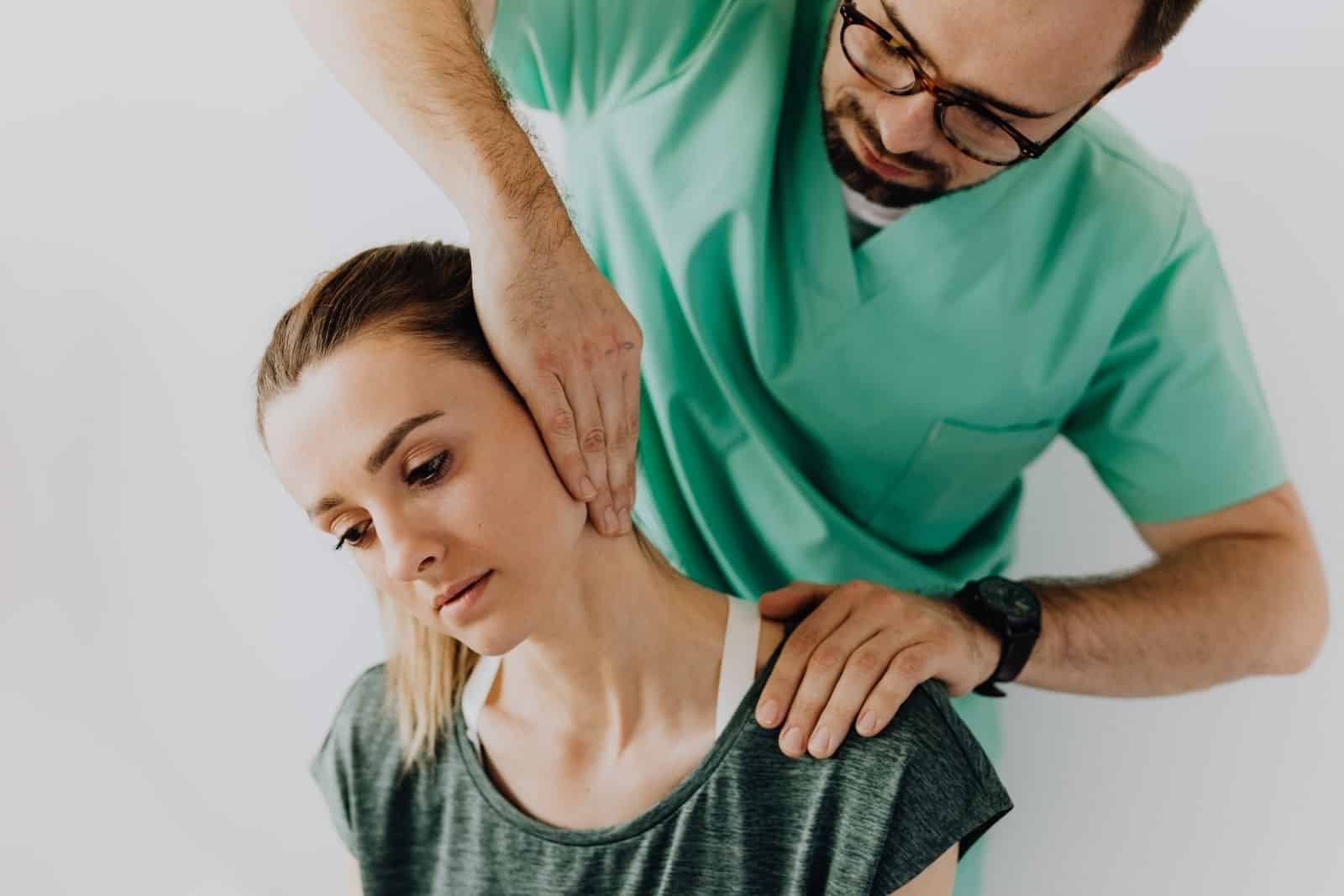
- Chiropractic Care: Adjustments and mobilisations ensure that the joints associated with the tendon are moving correctly, preventing further compensatory injuries.
“We would look at doing things where we’re reducing, facilitating the repair of the tendons and the microtrauma around that,” says Dr. Nash. “It’s about helping the body keep up with the repair it needs to do.”
Frequently Asked Questions (FAQs)
Q1: How long does tendonitis take to heal? A: This depends on the severity. Acute cases may settle in a few weeks with proper rest and care, while chronic tendinopathies can take several months of consistent rehabilitation.
Q2: Should I use ice or heat for tendonitis? A: Generally, ice is best for acute “flares” to reduce swelling and pain. However, for chronic stiffness, heat may help improve blood flow. Your chiropractor can give you a specific protocol.
Q3: Can I keep training if I have tendonitis? A: “Pushing through” usually makes the condition worse. We often recommend “relative rest”—modifying your activity to avoid pain while maintaining movement in other areas.
Q4: Is tendonitis the same as a tendon tear? A: Not quite. Tendonitis is inflammation or microtrauma. A tear involves a more significant disruption of the fibres. However, untreated tendonitis can weaken the tendon, increasing the risk of a tear.
Q5: Why does my tendonitis keep coming back? A: Recurrence usually happens because the underlying biomechanical issue (like poor posture or incorrect lifting technique) hasn’t been addressed.
Q6: Does dry needling hurt? A: Most patients feel a slight “twitch” or dull ache, but it is generally well-tolerated and very effective for releasing the muscle tension that contributes to tendon strain.
Book a Consult with Our Chiro Brisbane
We know how frustrating it is when a “niggle” turns into a constant pain that stops you from working, playing sport, or even sleeping comfortably. It’s exhausting to feel like you have to “manage” your movements every single day just to avoid a sharp twinge.
At Our Chiro Brisbane, we see the person, not just the injury. We are dedicated to finding the source of your discomfort and helping you reclaim your active lifestyle. Whether you’re a weekend warrior or a professional tradie, we’re here to support your recovery with empathy and expertise.
Click here to book your appointment online or call us on (07) 3257 0399.
References
- Mani-Babu, S., Morrissey, D., Waugh, C., Screen, H. and Barton, C. (2014). The Effectiveness of Extracorporeal Shock Wave Therapy in Lower Limb Tendinopathy. The American Journal of Sports Medicine, 43(3), pp.752–761. doi:https://doi.org/10.1177/0363546514531911.
- Mead, M.P., Gumucio, J.P., Awan, T.M., Mendias, C.L. and Sugg, K.B. (2018). Pathogenesis and management of tendinopathies in sports medicine. Translational Sports Medicine, 1(1), pp.5–13. doi:https://doi.org/10.1002/tsm2.6.
Video Transcript
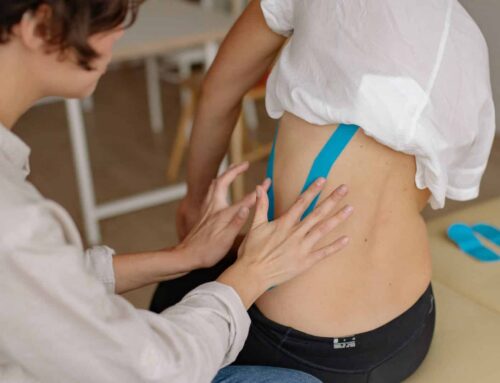
Something that we see in the clinic every day and get a lot of questions about is tendonitis and what causes it and how can you treat it. So tendonitis is often from overuse or repetitive strain. So if you think about someone in the gym, for example, lifting incorrectly or overloading, um, what they’re doing in the gym, so that could cause inflammation around the tendon or tendonitis. Uh, certain professions, such as a chef chopping all the time, builders using hammers, uh, tennis players. You can even have acute injuries, um, such as falls, accidents that can create tendonitis. So tendonitis is where you have irritation or microtrauma to the tendon. And there’s obviously a lot of inflammation around there. The body can’t keep up with repair. And you end up with quite a lot of pain and swelling around that area. Patients notice on certain movements or doing certain activities there’s pain. Another example um would be, uh, rotator cuff injuries or frozen shoulder. Sometimes you would have tendonitis or tendinopathies that are created there, and then you would have a reduction in the movement of the shoulder. So we would look at doing things where we’re reducing, facilitating, uh, the repair of the tendons and the microtrauma around that, uh, some of those techniques would be cold laser, which is painless and really effective at actually improving blood flow and cellular repair, uh, shockwave therapy to help break down adhesions around the area to actually get better movement of the shoulder. Um, we would use dry needling to help take pressure and pain away from the muscles that are either overused or underactive, uh, mobilisation techniques, adjustment techniques, uh, just to name a few of the ways we would treat tendonitis in the shoulder. Another really common one and that we’ve all heard of is golfer’s elbow or tennis elbow. So tennis elbow synonymous with not just tennis, but, for example, builders using hammers and using repetitive movement or lifting problems. So you would end up with pain on the outside of your elbow. And to grasp things like grasp, grasp, strength is reduced and lifting things is painful. So again, we would look at doing active release around the muscles in and around the forearm, doing some needling techniques, cold laser kinesiotaping, and obviously some stretches that they can do at home to help reduce that inflammation around the tendon. So tendonitis, it’s a very, very common problem, something that we see all the time. There’s lots of different reasons it’s happens from trauma, like I said, repetitive movements. Um, and so you see it with people in different professions, all walks of life. It’s not just elderly people, it’s not just young people. It’s across the whole range of society and something that’s treated quite effectively as well.
This blog post was written and approved by Dr Simon Nash
Dr Simon Nash (M.Chiro, B.Chiro Sci.) is a chiropractor with over 20 years of clinical experience. He is a full professional member of Sports Medicine Australia (SMA) and Chiropractic Australia, and is AHPRA registered (CHI0000970189). Simon graduated from Macquarie University and is dual-registered to practise in Australia and Hong Kong.
He began his career in a multidisciplinary neurology-focused clinic in Sydney, developing a strong interest in treating headaches and migraines. Since 2006, he has operated Our Chiro Brisbane, now alongside his sisters Jessica and Rebecca.
Simon treats everyday injuries, workplace rehabilitation cases and complex presentations using a wide range of techniques. His sports medicine experience spans elite athletes including NRL and Rugby Union players, Olympians, and events like the Australian Open and Hong Kong 7s. He has also treated Guns N’ Roses during tour.


Disclaimer:
The information provided in this blog is for general informational purposes only and is not intended as medical advice. It should not be used to diagnose, treat, or replace professional consultation with a qualified healthcare provider. Always seek the advice of a chiropractor, GP, or other qualified health professional regarding any medical condition or treatment.
Click here to learn more about our editorial policy, that explains how content is created, fact-checked, and updated by qualified chiropractors and other health professionals.