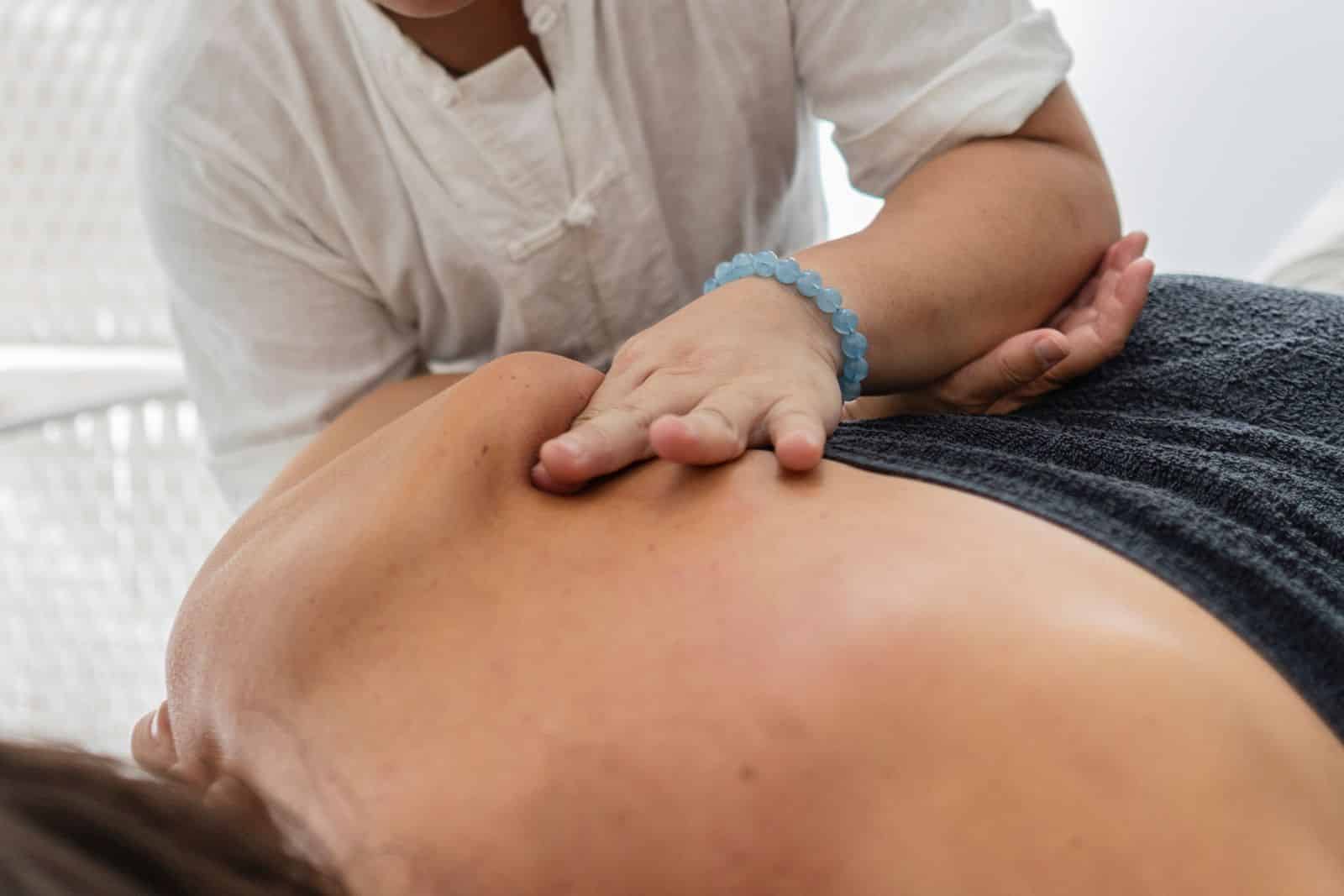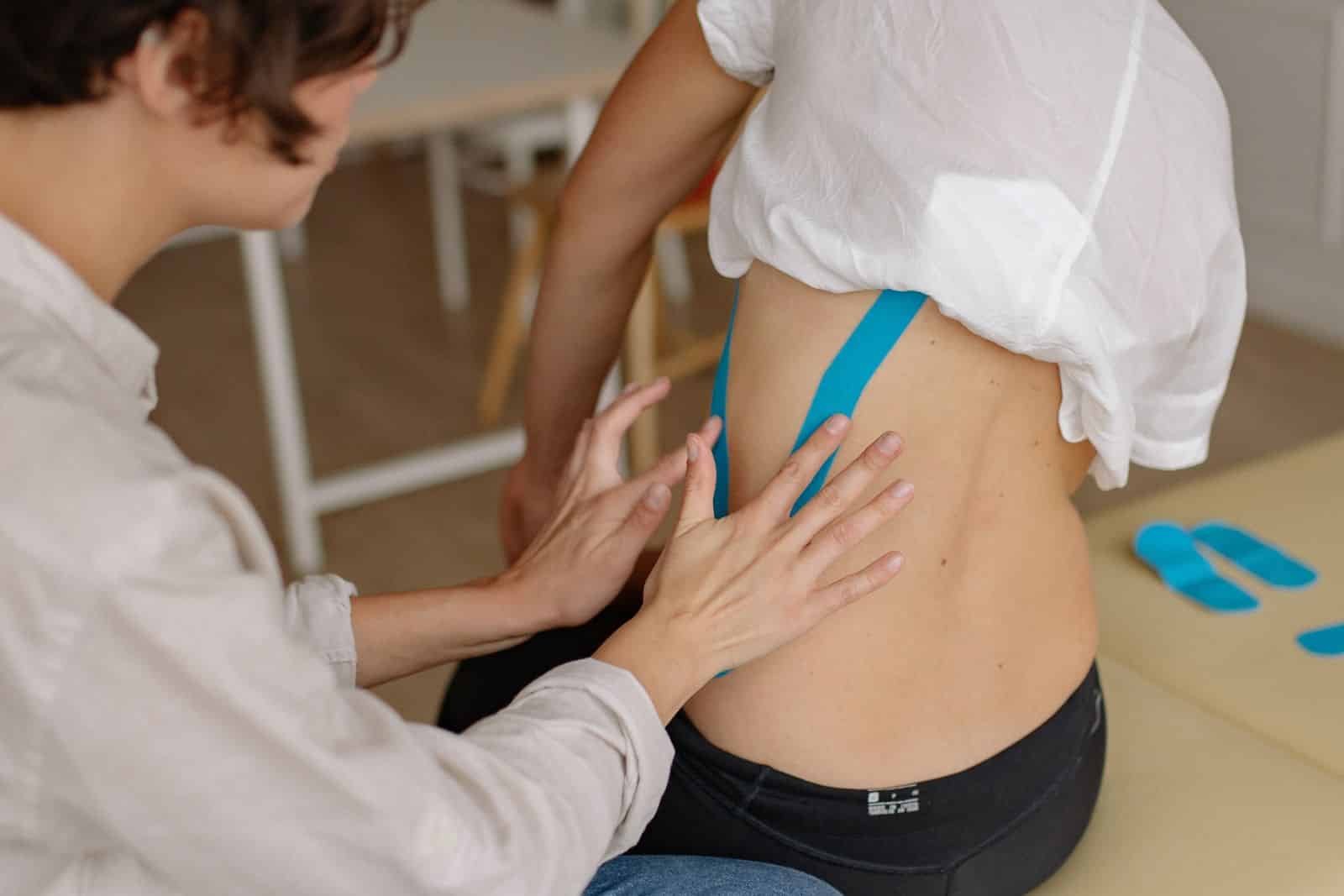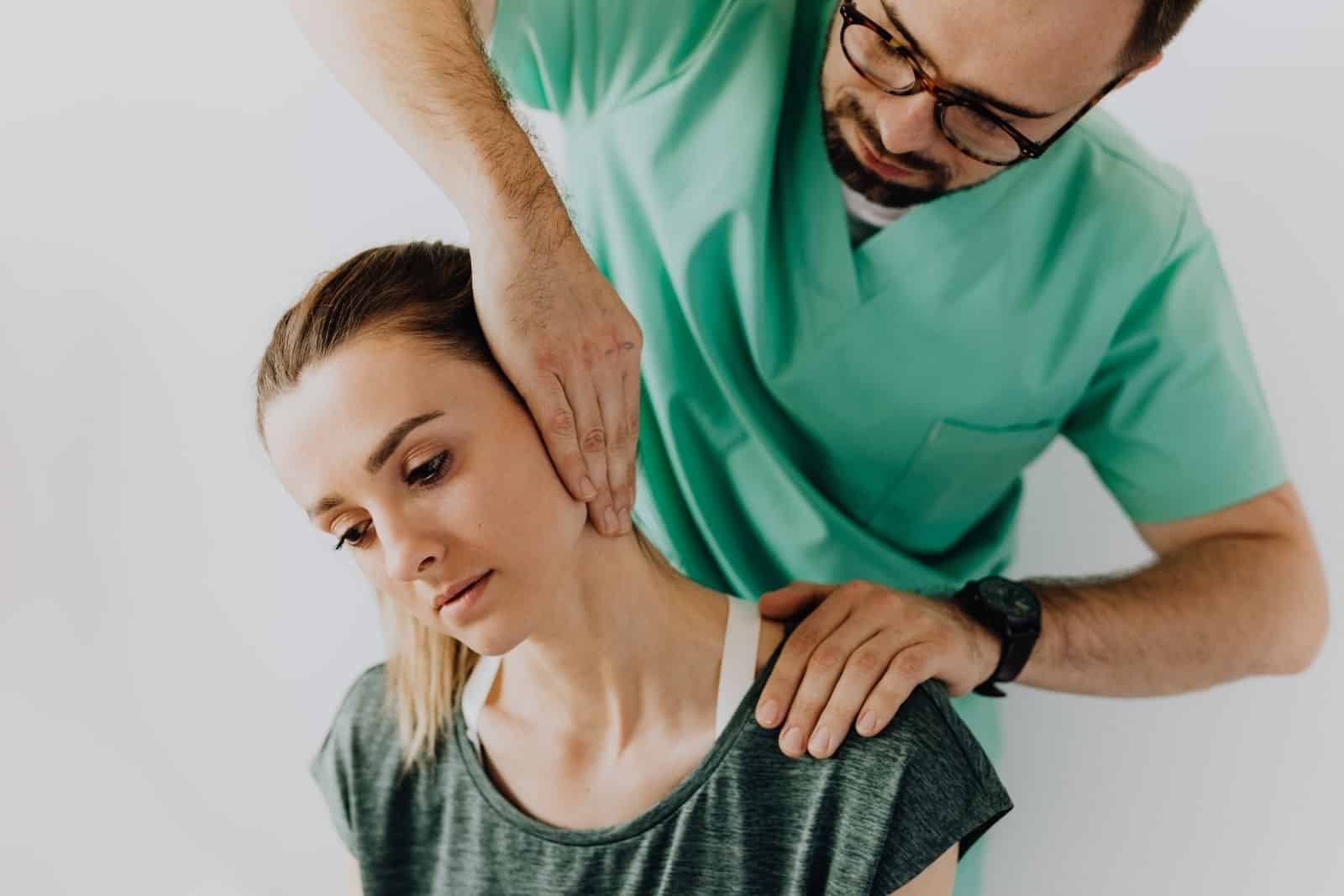
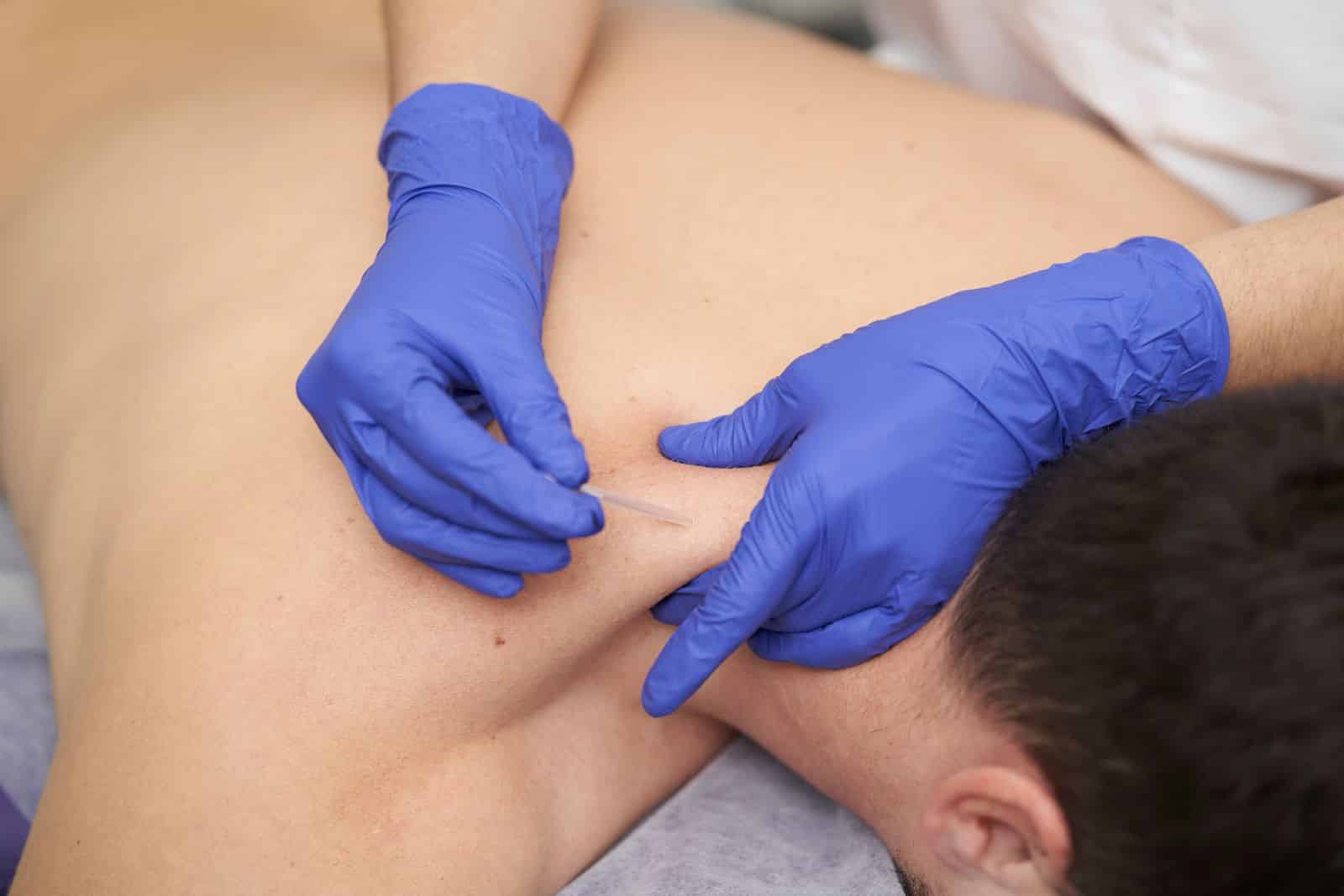
Persistent muscle tension, “knots”, and restricted movement can be frustrating, often preventing you from enjoying your daily activities or performing at your best. Whether you are dealing with a chronic sports injury or the physical toll of a desk-bound job, finding a targeted way to release that tension is essential. This fact sheet explores dry needling, a specialised technique used to address muscular pain and improve physical function.
In this article, Dr Simon Nash (Chiropractor) discusses what dry needling is, how it differs from other needle-based therapies, and the specific conditions it can help manage.
Medical Disclaimer: The information provided in this article is for general knowledge and informational purposes only and does not constitute medical advice. It is essential to consult with a qualified healthcare professional for a diagnosis and personalised treatment plan.
Table of Contents
- What is Dry Needling?
- How Dry Needling Works
- Common Conditions Treated
- What to Expect During Treatment
- The Science Behind the Needle
- Frequently Asked Questions (FAQs)
- Book a Consult with Our Chiro Brisbane
- References
- Video Transcript
What is Dry Needling?
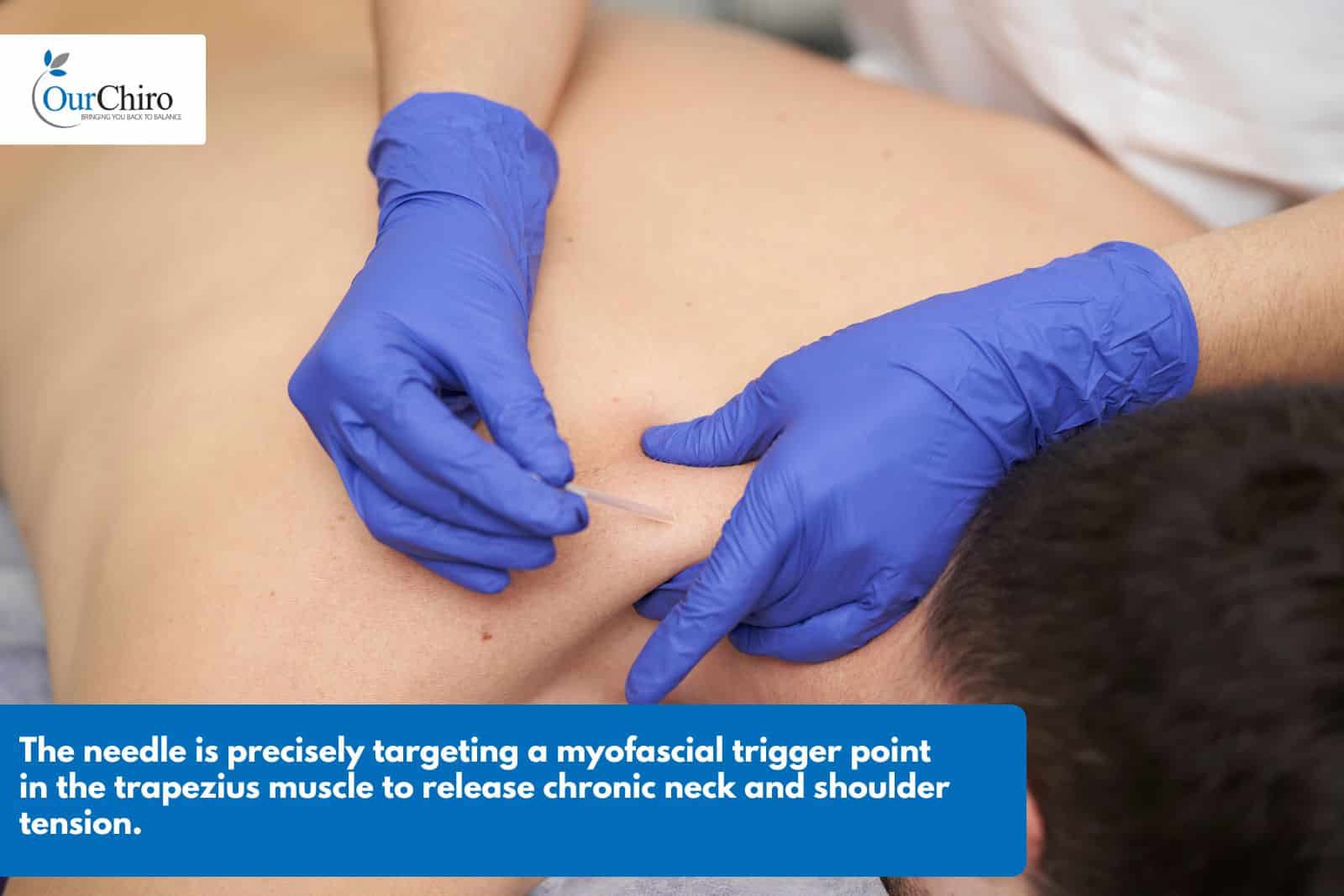
Dry needling is a therapeutic technique that involves inserting fine, sterile needles into specific points in the muscle, known as “trigger points” or “myofascial knots.” Unlike a traditional injection you might receive at a GP’s office, there is no liquid medication being delivered hence the term “dry.”
“Dry needling is an umbrella term basically for anytime you’re not injecting anything into the skin or into a muscle,” explains Dr Nash. “An example of a dry needle would be like acupuncture, also musculoskeletal needling. So, we do musculoskeletal needling.”
While it uses the same type of needles as acupuncture, the philosophy is different. While acupuncture is rooted in Traditional Chinese Medicine and the flow of “Qi” along meridians, dry needling is based on modern Western anatomical and neurophysiological principles. It focuses specifically on the musculoskeletal system to alleviate pain and restore movement.
How Dry Needling Works
The primary goal of dry needling is to elicit a “local twitch response” in the muscle. This is an involuntary contraction that helps the muscle fibres relax.
“We’re putting a needle into the muscle to create a reaction, whether that helps inhibit the muscle or try and activate around the muscle,” says Dr Nash. He further notes that the goal is to “actually elicit a biomechanical response around that to promote healing and better function and movement.”
When a needle is inserted into a trigger point, it can help:
- Release Muscle Tension: By interrupting the cycle of pain and contraction in a tight muscle band.
- Improve Blood Flow: The micro-trauma caused by the needle encourages fresh, oxygenated blood to flow to the area, which is vital for tissue repair.
- Reduce Pain Signals: The process can stimulate the release of endorphins, the body’s natural pain-relieving chemicals.
“It isn’t just about the physical sensation of the needle,” Dr Nash adds. “It’s about resetting the neurological communication between the brain and the muscle to stop it from ‘guarding’ or staying in a state of constant tension.”
Common Conditions Treated
Because dry needling is so effective at targeting deep muscular issues, it is used for a wide range of clinical presentations. Dr Nash highlights several areas where the results are particularly impressive:
- Shoulder Issues: Specifically Adhesive Capsulitis (commonly known as Frozen Shoulder).
- Elbow Pain: Both Tennis Elbow (Lateral Epicondylitis) and Golfer’s Elbow (Medial Epicondylitis).
- Lower Limb Tension: Irritations around the glute muscles, hamstrings, and calf muscles.
- Chronic Tension Headaches: Often caused by trigger points in the neck and upper shoulders.
“It works really well for things like adhesive capsulitis… issues or irritations around the glute muscles, hamstrings, calf muscles. So that works really, really well and effectively with that,” says Dr Nash.
What to Expect During Treatment
One of the most common concerns patients have is the fear of needles. However, the experience is quite different from receiving a vaccination.
“We use different sizes of needles, different thicknesses,” Dr Nash explains. “It typically doesn’t hurt like you think it would. For example, when you go get a vaccine or anything like that. It’s usually in there for a quite a short period of time. And the results are fantastic.”
During the session, the chiropractor will palpate the muscle to find the exact source of the tension. When the needle is inserted, you might feel a slight sting, followed by a dull ache or a “twitch.” This twitch is actually a positive sign that the muscle is responding to the stimulus.
The Science Behind the Needle
The effectiveness of dry needling is backed by an increasing body of peer-reviewed research. A study published in the Journal of Orthopaedic & Sports Physical Therapy demonstrated that dry needling can significantly reduce pain and improve the range of motion in patients with myofascial trigger points (Gattie et al., 2017)
Furthermore, research published in Evidence-Based Complementary and Alternative Medicine suggests that the mechanical stimulation of the needle creates biochemical changes at the site of the trigger point, reducing the concentration of inflammatory chemicals (Liu et al., 2018)
Frequently Asked Questions (FAQs)
Q1: Is dry needling the same as acupuncture? A: No. While both use the same type of needles, dry needling is based on Western medical principles of anatomy and neurophysiology to treat musculoskeletal pain, whereas acupuncture is based on traditional Chinese medicine.
Q2: Does it hurt? A: Most patients feel a brief “pinprick” sensation. You may feel a deep ache or a muscle twitch, which can be slightly uncomfortable but is generally very well-tolerated and brief.
Q3: How many sessions will I need? A: This depends on the chronicity of your condition. Some patients feel immediate relief after one session, while others with long-standing issues may require a course of 3–5 treatments combined with rehabilitation exercises.
Q4: Are there side effects? A: Some patients experience mild muscle soreness (similar to the feeling after a workout) or occasional bruising at the needle site, which usually resolves within 24–48 hours.
Q5: Can I exercise after dry needling? A: We usually recommend avoiding heavy or strenuous exercise for 12–24 hours after treatment to allow the muscles to recover, though light movement is often encouraged.
Q6: Is dry needling safe? A: Yes, when performed by a trained healthcare professional like a chiropractor. We use single-use, sterile, disposable needles to ensure the highest safety standards.
Book a Consult with Our Chiro Brisbane
We know how draining it is to live with constant muscle tightness that just won’t “let go.” It affects your sleep, your mood, and your ability to stay active. At Our Chiro Brisbane, we don’t just treat the symptoms; we look at the whole picture of your biomechanics.
If you’re tired of feeling “knotted up” and are looking for a targeted approach to pain relief, our team is here to help. We combine dry needling with traditional chiropractic care and tailored exercise programs to help you get back to your best.
Book an Appointment at Our Chiro Brisbane Today or Call 0732570399
References
Gattie, E., Cleland, J. A., & Snodgrass, S. (2017). The Effectiveness of Trigger Point Dry Needling for Musculoskeletal Conditions by Physical Therapists: A Systematic Review and Meta-analysis. Journal of Orthopaedic & Sports Physical Therapy, 47(3), 133–149. https://doi.org/10.2519/jospt.2017.7096
Liu, L., Huang, Q.-M., Liu, Q.-G., Thitham, N., Li, L.-H., Ma, Y.-T., & Zhao, J.-M. (2018). Evidence for Dry Needling in the Management of Myofascial Trigger Points Associated With Low Back Pain: A Systematic Review and Meta-Analysis. Archives of Physical Medicine and Rehabilitation, 99(1), 144-152.e2. https://doi.org/10.1016/j.apmr.2017.06.008
Video Transcript
One of the questions we get a lot at the clinic is what’s dry needling and what do we use it for? How does it work? So, dry needling is an umbrella term basically for anytime you’re not injecting anything into the skin or into a muscle. Uh, so an example of a dry needle would be like acupuncture. Um, also musculoskeletal needling. So, we do musculoskeletal needling. Um, and that’s where we’re putting uh a needle into the muscle to create a reaction, whether that helps inhibit the muscle or try and activate around the muscle um to actually elicit a biomechanical response around that to promote healing and better function and movement. Uh we use different sizes of needles, uh different thicknesses. Um it typically doesn’t hurt like you think it would. Um for example, when you go get a vaccine or anything like that. Um it’s uh it it it’s usually in there for a shorter peri quite a short period of time. Uh and the results are are fantastic. Sometimes we’ll use one or more needles uh depending on the condition we’re treating. It works really well for things like um adhesive capsulitis, so frozen shoulder, tennis elbow, golfer’s elbow, um issues or um irritations around the the glute muscles, hamstrings, calf muscles. Um, so that works really, really well and effectively with that.
This blog post was written and approved by Dr Simon Nash
Dr Simon Nash (M.Chiro, B.Chiro Sci.) is a chiropractor with over 20 years of clinical experience. He is a full professional member of Sports Medicine Australia (SMA) and Chiropractic Australia, and is AHPRA registered (CHI0000970189). Simon graduated from Macquarie University and is dual-registered to practise in Australia and Hong Kong.
He began his career in a multidisciplinary neurology-focused clinic in Sydney, developing a strong interest in treating headaches and migraines. Since 2006, he has operated Our Chiro Brisbane, now alongside his sisters Jessica and Rebecca.
Simon treats everyday injuries, workplace rehabilitation cases and complex presentations using a wide range of techniques. His sports medicine experience spans elite athletes including NRL and Rugby Union players, Olympians, and events like the Australian Open and Hong Kong 7s. He has also treated Guns N’ Roses during tour.


Disclaimer:
The information provided in this blog is for general informational purposes only and is not intended as medical advice. It should not be used to diagnose, treat, or replace professional consultation with a qualified healthcare provider. Always seek the advice of a chiropractor, GP, or other qualified health professional regarding any medical condition or treatment.
Click here to learn more about our editorial policy, that explains how content is created, fact-checked, and updated by qualified chiropractors and other health professionals.