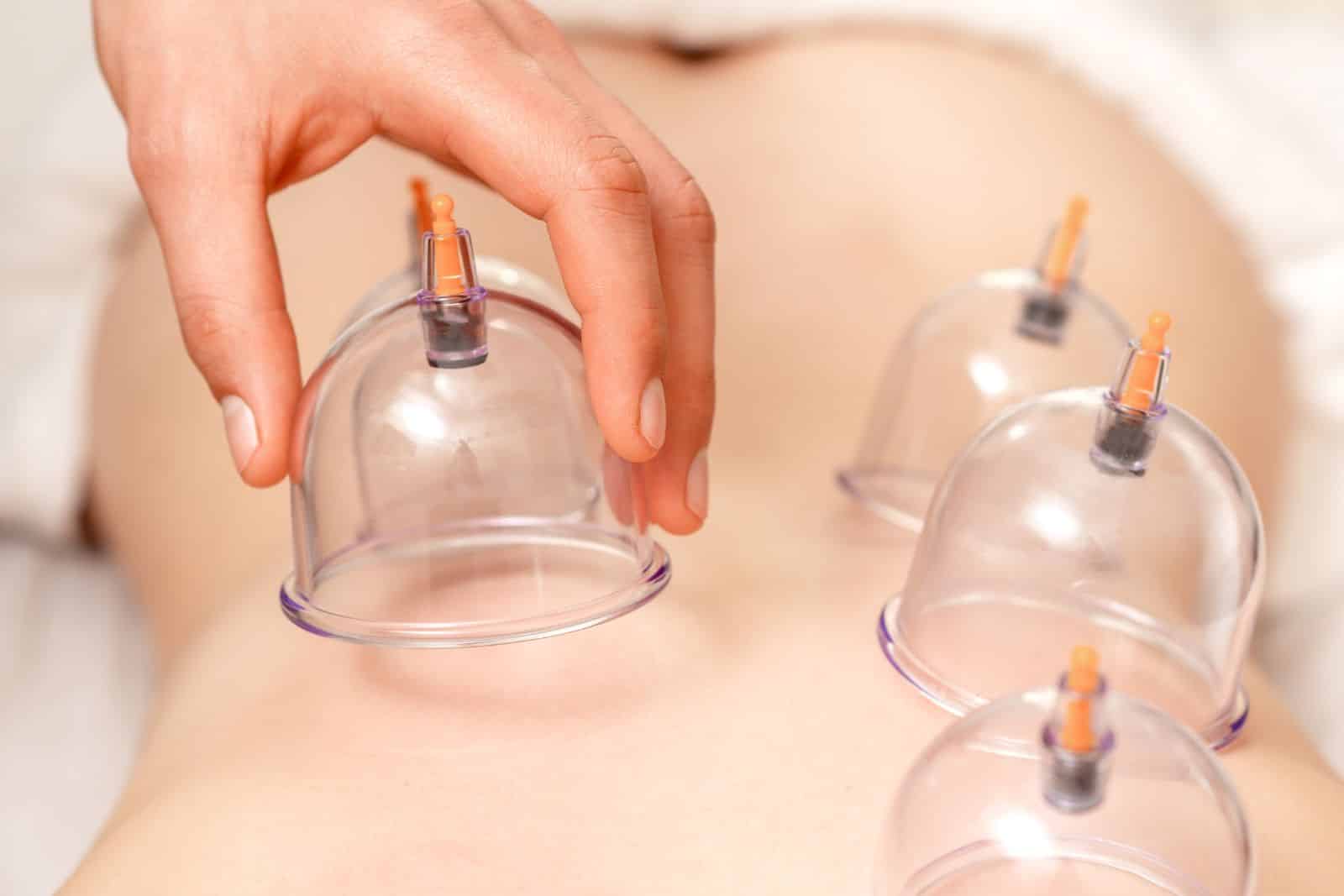
If you’ve ever noticed someone with distinctive circular red marks across their back or shoulders, chances are they’ve recently had cupping therapy. While these marks might look alarming at first glance, they’re actually a sign of a therapeutic technique that’s been used for centuries to relieve muscle tension and pain. This fact sheet explores what cupping therapy actually involves, how it works, and why practitioners use it as part of a comprehensive treatment plan.
In this fact sheet, Dr. Simon Nash (Chiropractor) discusses what cupping therapy is, how it’s performed, and the benefits it can offer for muscle tightness and pain.
Please note: The information provided in this article is for general knowledge and informational purposes only, and does not constitute medical advice. It is essential to consult with a qualified healthcare professional for a diagnosis and personalised treatment plan.
Table of Contents
- What Is Cupping Therapy?
- How Does Cupping Work?
- The Different Methods of Cupping
- Why Choose Cupping Therapy?
- What to Expect During Treatment
- Treatment Options at Our Chiro Brisbane
- The Evidence Behind Cupping Therapy
- Frequently Asked Questions (FAQs)
- Book a Consult with Our Chiro Brisbane
- References
- Video Transcript
What Is Cupping Therapy?
Cupping therapy is a traditional treatment method that has found its place in modern manual therapy practices. The technique involves placing specialised cups on the skin and creating suction to draw the skin and underlying tissue upward into the cup. While the therapy has ancient origins in Traditional Chinese Medicine, it’s now used by a variety of healthcare practitioners including chiropractors, physiotherapists, and massage therapists.
The most recognisable feature of cupping therapy is the circular marks it leaves behind. These distinctive red or purple circles are caused by the suction drawing blood to the surface of the skin. Rather than being a sign of injury or harm, these marks indicate increased blood flow to the treated area and typically fade within a few days to a week.
How Does Cupping Work?
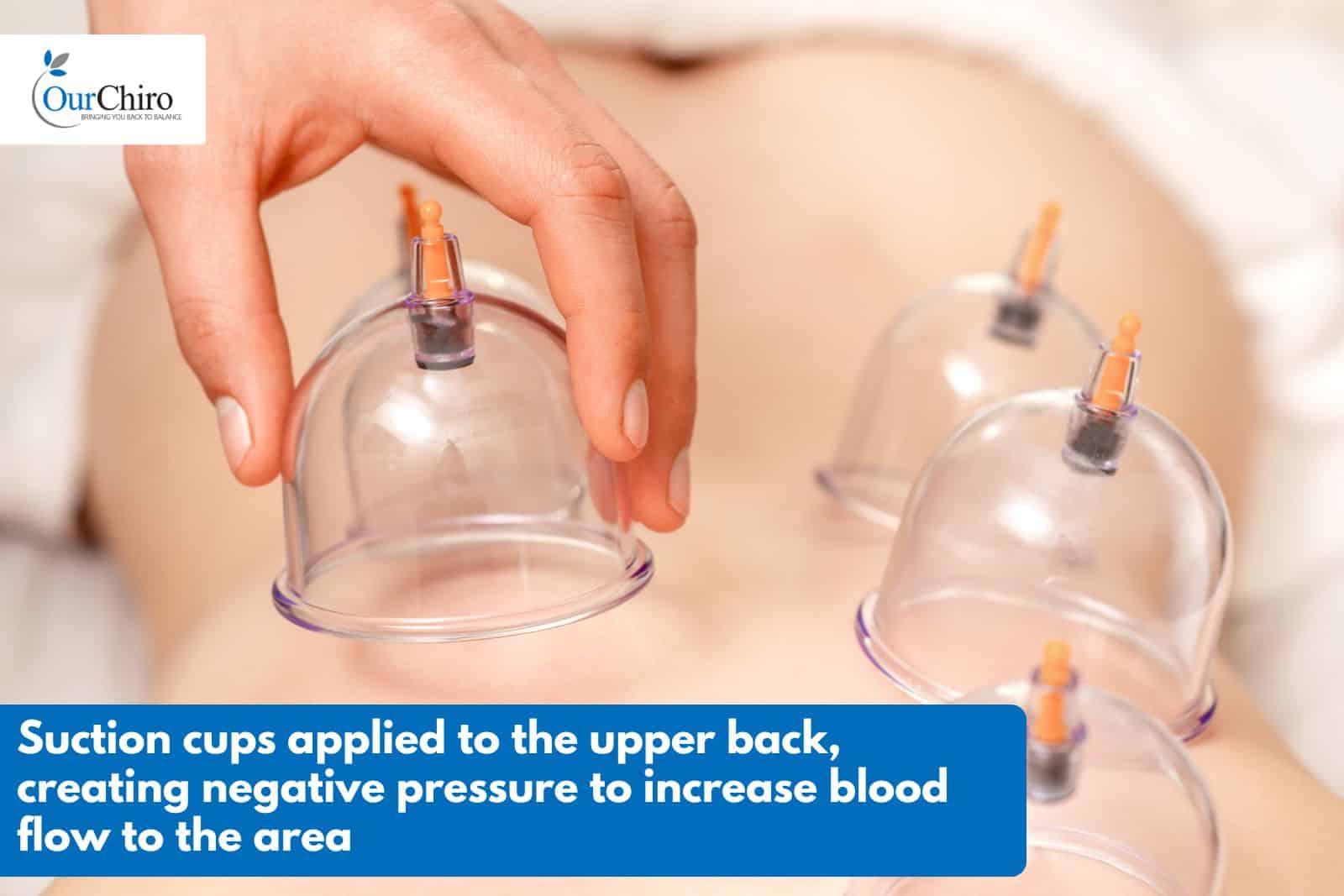
The therapeutic effect of cupping comes from the negative pressure created by the suction. When the cup is applied to the skin and the air is removed, it creates a vacuum that pulls the skin, fascia, and muscle tissue upward. This mechanical force triggers several physiological responses in the body.
Dr. Nash explains the fundamental mechanism behind the therapy’s effectiveness.
“What is happening is it’s actually pulling the skin up, pulling some of the muscle up, allowing blood flow into that area, which then helps reduce pain, inflammation.”
This increased blood flow brings fresh oxygen and nutrients to the treated area whilst helping to remove metabolic waste products that can accumulate in tight, overworked muscles. The suction also helps to release fascial restrictions and adhesions that can develop between layers of tissue, particularly in areas of chronic tension or previous injury.
The therapy works on multiple levels. The immediate mechanical effect helps to decompress tissues and create space within tight muscle fibres. The increased circulation promotes healing and reduces inflammation. Additionally, the treatment may stimulate the nervous system in a way that helps to reduce pain perception and promote relaxation.
The Different Methods of Cupping
Cupping therapy isn’t a one-size-fits-all technique. There are several different approaches practitioners can use, each with its own benefits and applications.
Traditional fire cupping uses heat to create the suction. A flame is briefly introduced into the cup to consume the oxygen, and the cup is quickly placed on the skin. As the air inside cools, it creates a vacuum that holds the cup in place. While this method is still used in some traditional practices, it requires considerable skill and carries a slight risk if not performed correctly.
Modern vacuum cupping uses a mechanical pump or valve system to remove air from the cup. This is the method most commonly employed in chiropractic and physiotherapy clinics. It offers precise control over the amount of suction applied and is generally considered safer and more comfortable for patients.
Some practitioners also use wet cupping, which involves making small incisions in the skin before applying the cups, though this technique is less common in contemporary Western practice. Another variation is moving or sliding cupping, where oil is applied to the skin and the cups are gently moved across the treatment area whilst maintaining suction.
Dr. Simon Nash (Chiropractor) notes that the choice of method depends on the practitioner’s training and the patient’s specific needs.
“There’s about three or four different ways you can do it. Sometimes you can use fire or heat to actually create that sucking onto the cup, or you use a little vacuum, which is most commonly done. So we use the vacuum ones.”
This modern approach allows for consistent, controlled treatment that can be easily adjusted based on patient comfort and therapeutic goals.
Why Choose Cupping Therapy?
Cupping therapy offers several advantages as part of a comprehensive treatment plan. It’s particularly effective for addressing muscle tension that doesn’t respond well to other forms of treatment. The suction creates a unique mechanical force that can reach deeper layers of tissue than manual massage alone.
One of the key benefits is its ability to work as a complementary therapy alongside other treatments. Rather than being used in isolation, cupping often enhances the effectiveness of other manual therapy techniques. When combined with chiropractic adjustments, trigger point therapy, or rehabilitation exercises, it can help to prepare tissues for treatment and extend the benefits of other interventions.
The therapy is also valued for its relatively gentle nature. Whilst deep tissue massage or trigger point therapy can sometimes be uncomfortable, cupping achieves deep tissue effects without the same degree of pressure-induced discomfort. Many patients find the sensation quite pleasant, describing it as a gentle pulling or stretching feeling.
“It’s a great little tool, a little adjunct to sometimes trigger point therapy or adjustments or other therapy we’re using concurrently.”
What to Expect During Treatment
If you’re considering cupping therapy for the first time, understanding what the experience involves can help ease any apprehension. The process is typically straightforward and well-tolerated by most patients.
Your practitioner will begin by identifying the areas requiring treatment based on your symptoms and physical examination. The skin may be cleaned, and in some cases, oil or lotion is applied to allow for movement of the cups if a sliding technique will be used.
The cups which can range from small to quite large depending on the treatment area, are placed on the skin. If vacuum cupping is being used, a pump is attached to remove the air and create suction. The amount of suction can be adjusted based on your comfort level and the therapeutic goals. Some people prefer a gentle pull, whilst others tolerate stronger suction well.
The cups are typically left in place for between five and fifteen minutes, though this can vary. During this time, you’ll feel a pulling sensation on your skin, and you may notice the area beneath the cup becoming red or purple as blood is drawn to the surface. This is a normal and expected part of the treatment.
“It’s typically painless, but you do end up with some of those red marks, those circular red marks that you see around the area that you’ve used the cups with.”
Some people experience immediate relief from pain and tension, whilst others notice gradual improvement over the following days as circulation continues to improve and inflammation reduces. It’s not uncommon to feel slightly lightheaded or relaxed after treatment, so it’s advisable to stand up slowly and ensure you’re steady before leaving.
Treatment Options at Our Chiro Brisbane
At Our Chiro Brisbane, cupping therapy is part of a comprehensive approach to musculoskeletal care. We combine it with other evidence-based treatments to address the root causes of your pain and dysfunction. Our treatment options include:
- Cupping therapy – improves circulation, releases muscle tension and fascia
- Chiropractic adjustments – restores proper joint function and alignment
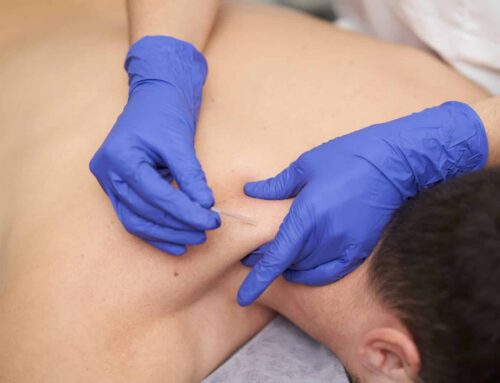
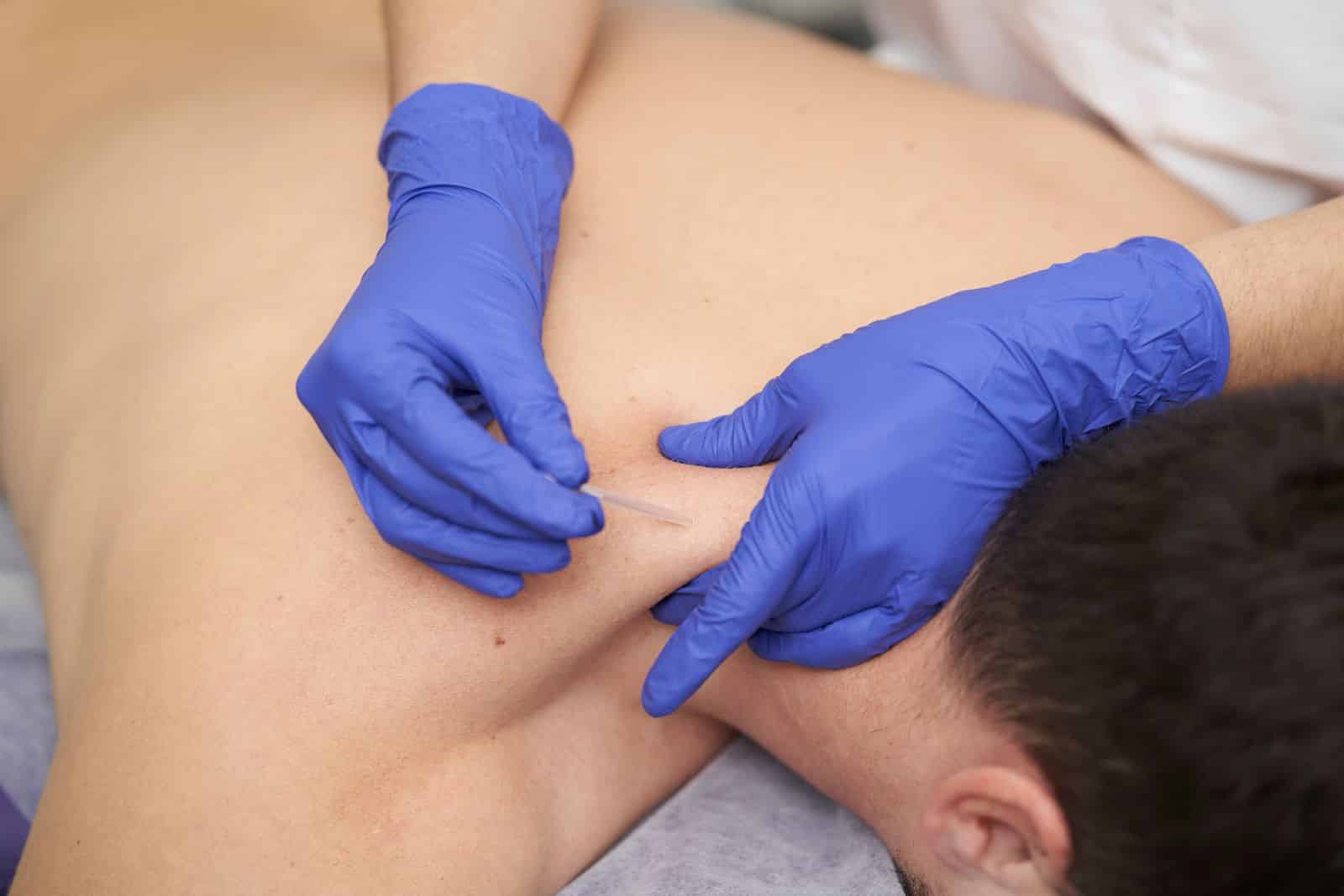
- Dry needling – targets trigger points and releases deep muscle tension
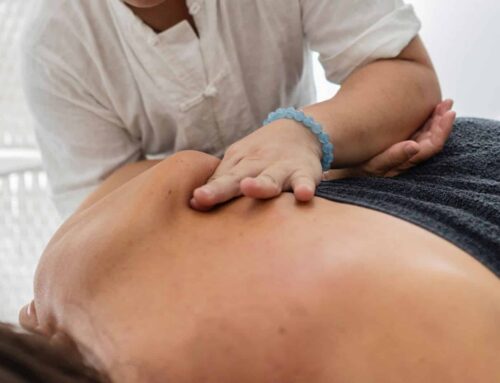
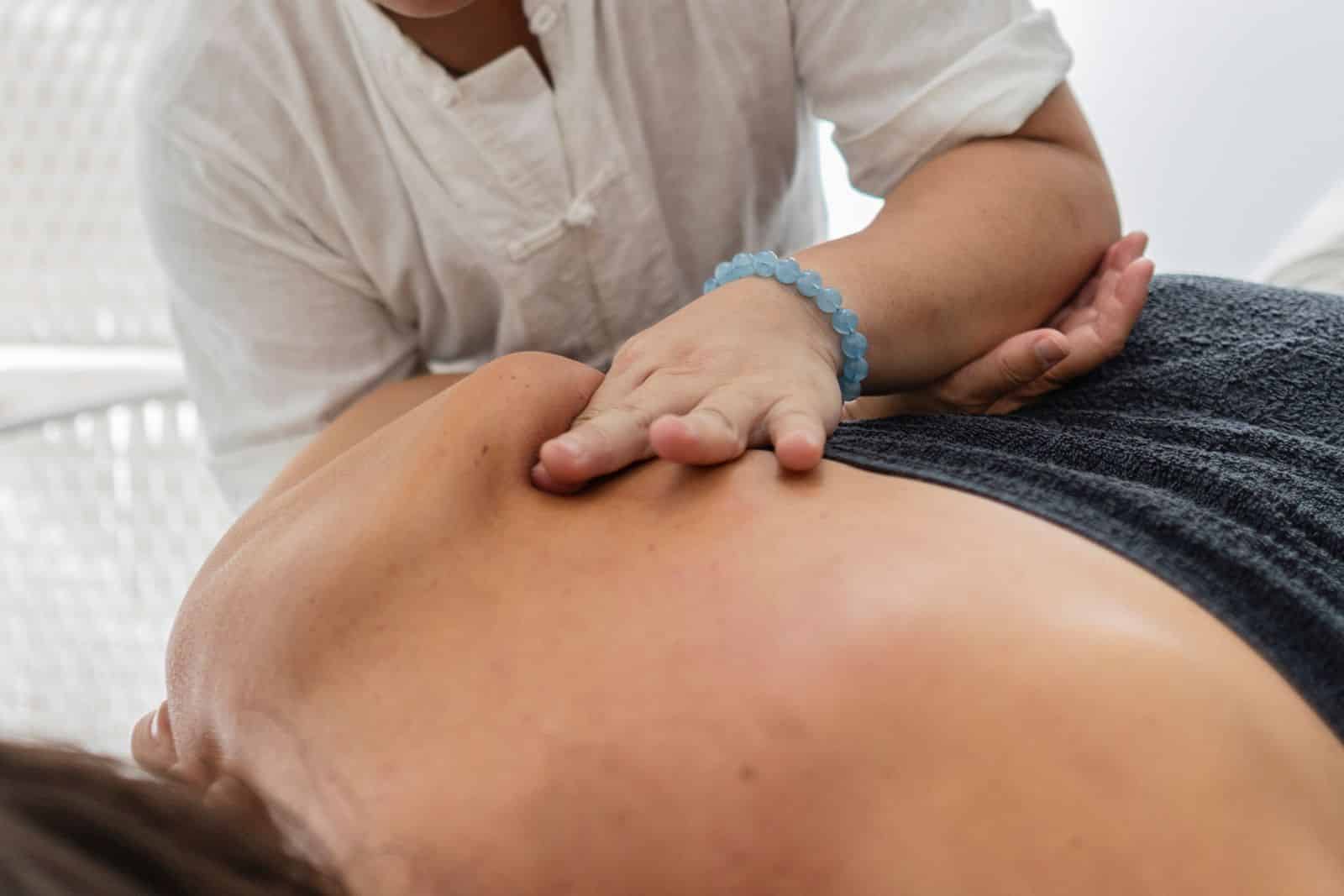
- Soft tissue therapy– addresses muscle and fascial restrictions
- Exercise rehabilitation– strengthens weak areas and prevents recurrence
- Postural assessment and correction– identifies and addresses movement dysfunction
- Kinesio taping – provides support and proprioceptive feedback
- Ergonomic advice– optimises your work and home environment
- Shockwave therapy – promotes healing in chronic conditions
Each treatment plan is tailored to your specific condition, goals, and preferences, ensuring you receive the most appropriate care for your situation.
The Evidence Behind Cupping Therapy
Whilst cupping therapy has been used for thousands of years, modern research has begun to investigate its mechanisms and effectiveness more rigorously. A growing body of evidence suggests that cupping can be beneficial for various musculoskeletal conditions, though researchers acknowledge that more high-quality studies are needed.
A systematic review by Evidence-Based Complementary and Alternative Medicine examined the effectiveness of cupping therapy for musculoskeletal pain and found moderate evidence supporting its use, particularly for neck and lower back pain (Kim et al., 2011). The review noted that cupping appeared to provide greater pain relief than no treatment or conventional treatments in some cases, though the quality of evidence varied across studies.
Research into the mechanisms of cupping suggests multiple pathways through which it may work. The negative pressure created by cupping has been shown to increase local blood flow and may stimulate the release of endogenous opioids the body’s natural pain-relieving chemicals. The mechanical force may also influence fascia and connective tissue, potentially breaking down adhesions and improving tissue extensibility.
Some studies have investigated cupping’s effects on inflammation and immune function. Research published in Evidence-Based Complementary and Alternative Medicine found that cupping therapy may influence inflammatory markers and immune responses, though the clinical significance of these changes requires further investigation (Lauche et al., 2011)
Despite these promising findings, it’s important to note that cupping should be viewed as part of a comprehensive treatment approach rather than a standalone cure. Its effectiveness is likely enhanced when combined with other therapeutic interventions such as exercise, manual therapy, and lifestyle modifications.
Frequently Asked Questions (FAQs)
Q:Are the marks from cupping dangerous? A: No, the circular marks are not dangerous. They’re caused by blood being drawn to the surface of the skin due to the suction and represent increased circulation to the area. They typically fade within three to seven days and are not the same as bruises caused by trauma.
Q:Does cupping therapy hurt? A: Most people find cupping therapy comfortable and even relaxing. You’ll feel a pulling or stretching sensation on the skin, which can range from gentle to quite strong depending on the amount of suction used. The treatment itself is generally painless, though the area may feel slightly tender afterwards, similar to post-exercise muscle soreness.
Q:How long do the marks last? A: The circular marks typically fade within three to seven days, though this varies between individuals. Factors such as your circulation, skin sensitivity, and the intensity of suction used can influence how long the marks remain visible. People with better circulation generally find the marks fade more quickly.
Q:Can everyone have cupping therapy? A: Cupping is suitable for most people, but there are some contraindications. It’s not recommended for people with certain skin conditions, bleeding disorders, or who are taking anticoagulant medications. Pregnant women should avoid cupping on the abdomen and lower back. Your practitioner will assess your suitability during your initial consultation.
Q:How often should I have cupping therapy? A: The frequency of treatment depends on your specific condition and treatment goals. For acute issues, you might have cupping once or twice per week initially. For chronic conditions or maintenance care, sessions might be spaced further apart. Your practitioner will recommend an appropriate treatment schedule based on your response to therapy.
Q:Can I exercise after cupping? A: Light activity is generally fine after cupping, but it’s best to avoid intense exercise for 24 hours to allow your body to maximise the benefits of increased circulation. Staying well-hydrated after treatment is also important to help flush out toxins and support the healing process.
Q:Will cupping interfere with other treatments I’m receiving? A: Cupping therapy typically complements other treatments well. However, it’s important to inform your practitioner about any other therapies you’re receiving so they can coordinate care appropriately and ensure there are no contraindications.
Book a Consult with Our Chiro Brisbane
Those tight, aching shoulders that make it hard to concentrate at work deserve more than just pushing through the pain. At Our Chiro Brisbane, we understand how muscle tension can wear you down, and we’re here to help you find relief through targeted, effective treatment. Book your appointment online or call us on (07) 3257 0399
References
Kim, J.-I., Lee, M. S., Lee, D.-H., Boddy, K., & Ernst, E. (2011). Cupping for Treating Pain: A Systematic Review. Evidence-Based Complementary and Alternative Medicine, 2011, 1–7. https://doi.org/10.1093/ecam/nep035
Lauche, R., Cramer, H., Choi, K.-E., Rampp, T., Saha, F. J., Dobos, G. J., & Musial, F. (2011). The influence of a series of five dry cupping treatments on pain and mechanical thresholds in patients with chronic non-specific neck pain – a randomised controlled pilot study. BMC Complementary and Alternative Medicine, 11(1). https://doi.org/10.1186/1472-6882-11-63
Video Transcript
What’s cupping therapy? So we’ve all seen people that have gone and seen an acupuncturist or a chiropractor or a physio and they’ve come out with these big round red marks on their back. And that’s someone that’s typically had cupping therapy. So cupping therapy is where you apply a cup and apply suction to it. There’s about three or four different ways you can do it. Sometimes you can use fire or heat to actually create that sucking onto the cup, or you use a little vacuum, which is most commonly done. So we use the vacuum ones. So what is happening is it’s actually pulling the skin up, pulling some of the muscle up, allowing blood flow into that area, which then helps reduce pain, inflammation. And it’s a great little tool, a little adjunct to sometimes trigger point therapy or adjustments or other therapy we’re using concurrently. So sometimes if you have tight muscles around the shoulder, we’ll use cupping therapy to help alleviate the muscle and the tension up through that area. It’s typically painless, but you do end up with some of those red marks, those circular red marks that you see around the area that you’ve used the cups with. But again, it’s pretty painless and it’s pretty good results.
This blog post was written and approved by Dr Simon Nash
Dr Simon Nash (M.Chiro, B.Chiro Sci.) is a chiropractor with over 20 years of clinical experience. He is a full professional member of Sports Medicine Australia (SMA) and Chiropractic Australia, and is AHPRA registered (CHI0000970189). Simon graduated from Macquarie University and is dual-registered to practise in Australia and Hong Kong.
He began his career in a multidisciplinary neurology-focused clinic in Sydney, developing a strong interest in treating headaches and migraines. Since 2006, he has operated Our Chiro Brisbane, now alongside his sisters Jessica and Rebecca.
Simon treats everyday injuries, workplace rehabilitation cases and complex presentations using a wide range of techniques. His sports medicine experience spans elite athletes including NRL and Rugby Union players, Olympians, and events like the Australian Open and Hong Kong 7s. He has also treated Guns N’ Roses during tour.


Disclaimer:
The information provided in this blog is for general informational purposes only and is not intended as medical advice. It should not be used to diagnose, treat, or replace professional consultation with a qualified healthcare provider. Always seek the advice of a chiropractor, GP, or other qualified health professional regarding any medical condition or treatment.
Click here to learn more about our editorial policy, that explains how content is created, fact-checked, and updated by qualified chiropractors and other health professionals.