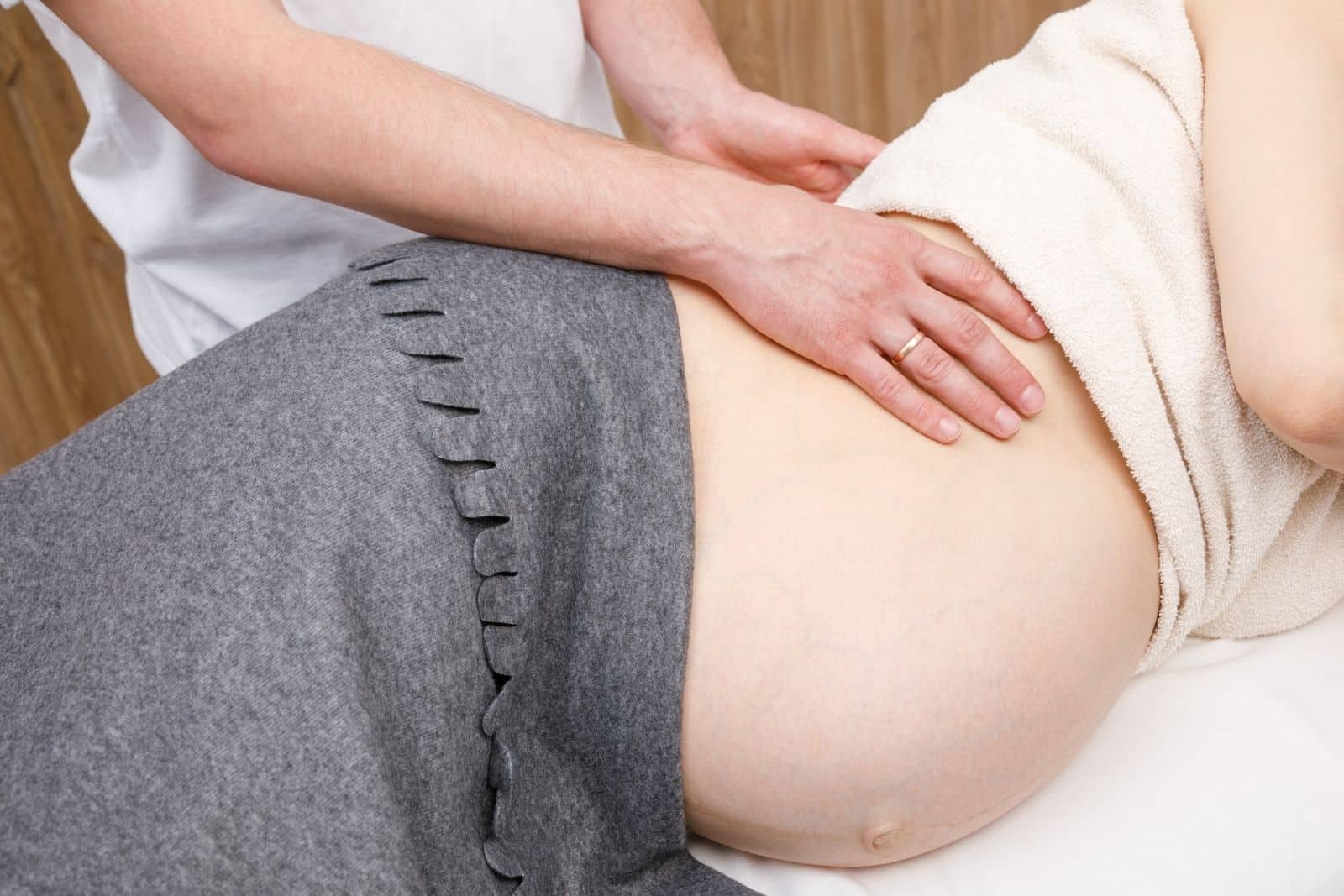
As the body prepares for childbirth, the final months of pregnancy can bring a unique set of physical challenges. While it is an exciting time, the rapid physiological changes can often lead to significant discomfort, affecting everything from how you walk to how you sleep. This fact sheet is designed to provide you with a comprehensive overview of how chiropractic care can support your body during the third trimester.
In this article, Dr. Simon Nash (Chiropractor) discusses the common types of pain experienced in late-stage pregnancy, including pelvic and sciatic discomfort, and how treatment is adapted to ensure safety and comfort for both mother and baby.
Please note: The information provided in this article is for general knowledge and informational purposes only, and does not constitute medical advice. It is essential to consult with a qualified healthcare professional for a diagnosis and personalised treatment plan.
Table of Contents
- Understanding the Third Trimester
- Common Pains in Late Pregnancy
- Adapting Treatment for the Final Stage
- The Role of Biomechanics and Comfort
- Frequently Asked Questions (FAQs)
- Book a Consult with Our Chiro Brisbane
- References
- Video Transcript
Understanding the Third Trimester
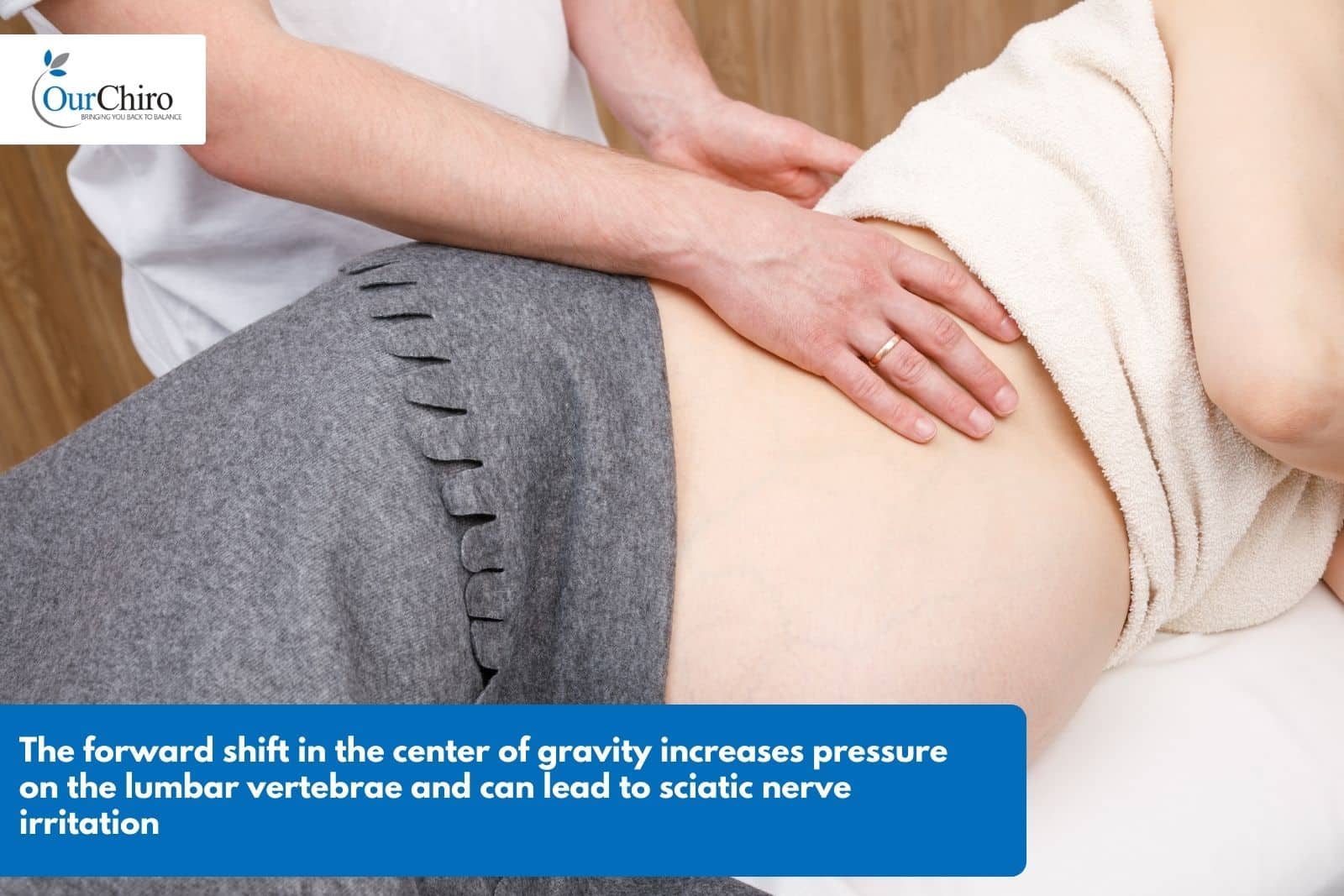
The third trimester is a period of rapid growth and significant hormonal shifts. As the baby grows, your centre of gravity shifts forward, increasing the curvature of your lower spine and putting additional pressure on your pelvis and supporting ligaments.
“Obviously, at this point in time, the body’s changed or is changing the most for the last part of pregnancy,” explains Dr. Nash.
This dramatic change isn’t just about weight gain; it involves the release of hormones like relaxin, which softens ligaments to prepare the birth canal. While necessary for delivery, this can lead to instability in the joints of the pelvis and spine, often resulting in the aches and pains many women consider an “inevitable” part of pregnancy.
Common Pains in Late Pregnancy
Many patients visit our clinic during their final months because the physical strain has reached a tipping point. Dr. Nash identifies several key areas where discomfort typically arises:
1. Pelvic and Pubic Pain
Pelvic Girdle Pain (PGP) and Symphysis Pubis Dysfunction (SPD) are common as the pelvic joints become more mobile.
“We would look at potentially sciatic problems or we would look at pelvic pain as something that we commonly see at this point,” Dr. Nash notes. “Also, pubic pain, adductor pain, which is on the inside of the legs.”
2. Pregnancy-Related Sciatica
As the baby moves lower into the pelvis, the sciatic nerve can become compressed or irritated. This often results in a sharp, shooting pain or a dull ache that radiates from the lower back through the buttocks and down the leg.
Research published in the Journal of Women’s Health Physical Therapy suggests that conservative management, including manual therapy, is highly effective for managing pregnancy-related pelvic and back pain (Stuber & Smith, 2008)
“When the pressure of the growing baby meets a pelvis that is slightly out of alignment, the nervous system often sends out a distress signal in the form of sciatic pain,” says Dr. Simon Nash (Chiropractor).
Adapting Treatment for the Final Stage
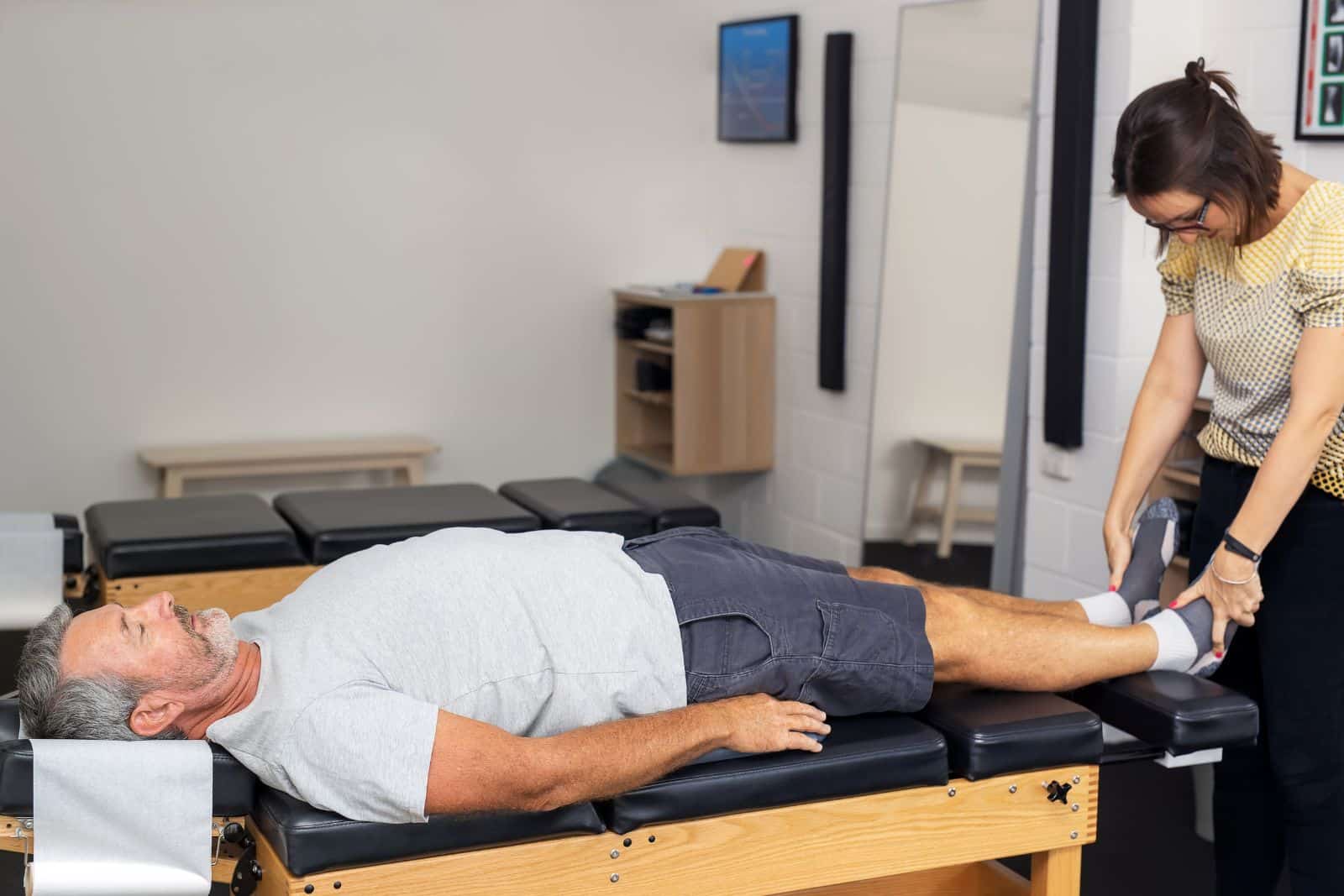
One of the most common concerns for expectant mothers is whether chiropractic care is safe or comfortable when they have a large “baby bump.” At Our Chiro, the approach is entirely modified to suit the patient’s stage of pregnancy.
“Depending on how the patient is going during this phase of pregnancy, we would adapt our treatment style as well,” says Dr. Nash.
In the third trimester, the traditional way of lying face-down is no longer an option. Dr. Nash explains the transition:
“They may no longer be laying on the bed. They may no longer be using a belly pillow. We might be doing things when they’re laying on their side or even sitting up.”
By using side-lying positions or seated adjustments, we ensure there is no pressure on the abdomen while still effectively treating the spine and pelvis. We also utilise low force techniques that are gentle enough for the late stages of pregnancy but effective enough to provide relief.
“Our goal is to work with the body’s natural changes, not against them. By using low-force techniques while the patient is seated or side-lying, we can maintain spinal health without any discomfort to the mother or baby,” Dr. Nash explains.
The Role of Biomechanics and Comfort
The ultimate goal of chiropractic care during this window is to optimise the biomechanics of the pelvis. A well-aligned pelvis may not only reduce pain but can also assist in creating more space for the baby to settle into the optimal birthing position.
A study in the Journal of Manipulative and Physiological Therapeutics found that chiropractic care during pregnancy can lead to significant reductions in back pain and may even contribute to shorter labour times for some women (George et al., 2013) As Dr. Nash says:
“We can adapt the treatment… around how that person is going during pregnancy. And then from there we will formulate a plan to help with the biomechanics around that just to help the last stage of pregnancy to be pain-free.”
Our clinic focuses on Pregnancy Care and General Chiropractic services to ensure every mother feels supported and mobile as she approaches her due date.
Frequently Asked Questions (FAQs)
Q1: Is it safe to have a chiropractic adjustment in the 8th month of pregnancy? A: Yes, chiropractic care is generally considered safe throughout all stages of pregnancy. We use modified, low-force techniques specifically designed for expectant mothers.
Q2: Will I have to lie on my stomach? A: No. In the third trimester, we use side-lying or seated positions to ensure you are comfortable and there is no pressure on your belly.
Q3: Can chiropractic care help with the baby’s position? A: While chiropractors do not “move” the baby, aligning the pelvis and reducing tension in the surrounding ligaments can create an optimal environment for the baby to move into the correct position.
Q4: How often should I visit in my third trimester? A: This depends on your level of discomfort and your specific goals. Some women visit weekly to maintain mobility, while others come in only when they feel specific pain.
Q5: Can chiropractic help with “lightning crotch” (sharp pubic pain)? A: Often, yes. This is frequently caused by pelvic instability or pubic symphysis dysfunction, which we can address by balancing the pelvic joints.
Q6: What if I have high blood pressure or other complications? A: We always conduct a thorough assessment. If you have specific medical complications, we will work in conjunction with your GP or obstetrician to ensure care is appropriate.
Book a Consult with Our Chiro Brisbane
We know how exhausting these final weeks can be. Between the lack of sleep, the heavy feeling in your pelvis, and the sharp pains that catch you off guard when you walk, it can feel like you’re just “counting down the days” in survival mode. You deserve to enjoy this special time without being sidelined by pain.
At Our Chiro Brisbane, we provide an empathetic, calm environment where we listen to your concerns and respect the incredible work your body is doing. Let us help you find some relief and improve your mobility so you can head into your birth feeling strong and balanced.
Book your appointment with Our Chiro Brisbane today or call 0732570399.
References
- Stuber, K. J., & Smith, D. L. (2008). Chiropractic Treatment of Pregnancy-Related Low Back Pain: A Systematic Review of the Evidence. Journal of Manipulative and Physiological Therapeutics, 31(6), 447–454. https://doi.org/10.1016/j.jmpt.2008.06.009
- George, J. W., Skaggs, C. D., Thompson, P. A., Nelson, D. M., Gavard, J. A., & Gross, G. A. (2013). A randomized controlled trial comparing a multimodal intervention and standard obstetrics care for low back and pelvic pain in pregnancy. American Journal of Obstetrics and Gynecology, 208(4), 295.e1-7. https://doi.org/10.1016/j.ajog.2012.10.869
Video Transcript
How can chiropractic help during the third trimester of pregnancy? Obviously, at this point in time, uh the body’s changed or is changing the most for the last part of pregnancy. Um so, we would look at uh potentially sciatic problems or we would look at pelvic pain is something that we commonly see at this point. Um also, uh pubic pain, adductor pain, which is on the inside of the legs. So depending on um how the patient is going during their their this phase of pregnancy, we would adapt our treatment style as well. So they may no longer be laying on the bed. They may no longer be using a belly pillow. We might be doing things uh when they’re laying on their side or even sitting up. And we can adapt the treatment, the low force treatment that we use at this point in time around um how that person is going during pregnancy. Um and then from there we will formulate uh a plan to help with the biomechanics around that just to help the last stage of pregnancy uh to be painfree.
This blog post was written and approved by Dr Simon Nash
Dr Simon Nash (M.Chiro, B.Chiro Sci.) is a chiropractor with over 20 years of clinical experience. He is a full professional member of Sports Medicine Australia (SMA) and Chiropractic Australia, and is AHPRA registered (CHI0000970189). Simon graduated from Macquarie University and is dual-registered to practise in Australia and Hong Kong.
He began his career in a multidisciplinary neurology-focused clinic in Sydney, developing a strong interest in treating headaches and migraines. Since 2006, he has operated Our Chiro Brisbane, now alongside his sisters Jessica and Rebecca.
Simon treats everyday injuries, workplace rehabilitation cases and complex presentations using a wide range of techniques. His sports medicine experience spans elite athletes including NRL and Rugby Union players, Olympians, and events like the Australian Open and Hong Kong 7s. He has also treated Guns N’ Roses during tour.


Disclaimer:
The information provided in this blog is for general informational purposes only and is not intended as medical advice. It should not be used to diagnose, treat, or replace professional consultation with a qualified healthcare provider. Always seek the advice of a chiropractor, GP, or other qualified health professional regarding any medical condition or treatment.
Click here to learn more about our editorial policy, that explains how content is created, fact-checked, and updated by qualified chiropractors and other health professionals.