
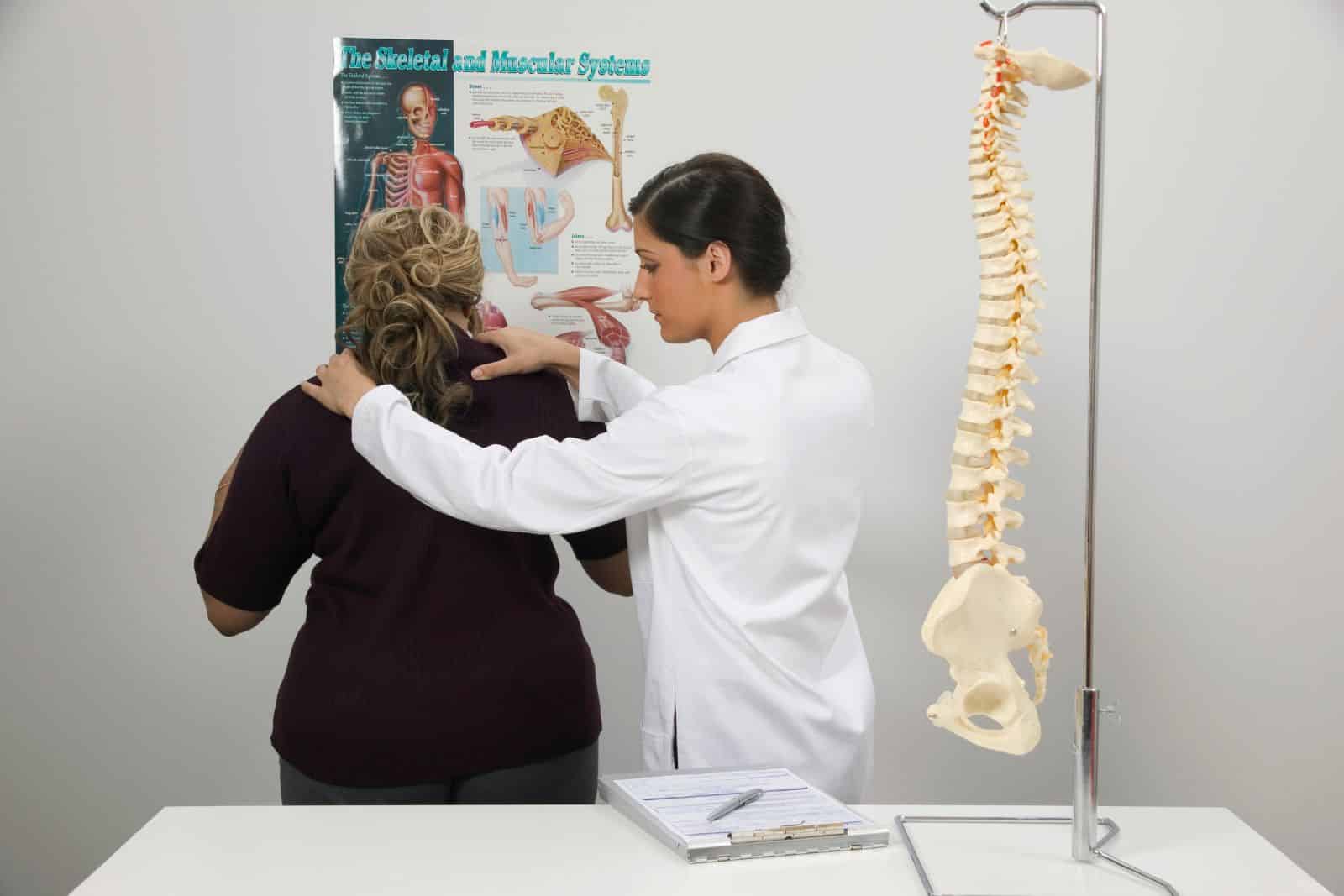
Shoulder pain is a common complaint that can significantly impact a person’s quality of life, making it difficult to perform daily tasks, participate in sports, or even get a good night’s sleep. From sharp, stabbing pains to a constant, dull ache, shoulder issues can arise from a variety of causes, ranging from sudden injuries to long-term overuse.
This fact sheet is designed to provide you with a comprehensive overview of common shoulder problems and how chiropractic care may offer a path to recovery.
In this article, Dr. Simon Nash (Chiropractor) discusses the common shoulder conditions he sees in his practice and how a chiropractic approach can help restore function and reduce pain.
Please note: The information provided in this article is for general knowledge and informational purposes only and does not constitute medical advice. It is essential to consult with a qualified healthcare professional for a diagnosis and personalised treatment plan.
Table of Contents
- Understanding the Shoulder Joint
- Common Causes of Shoulder Pain
- The Chiropractic Approach to Shoulder Pain
- The Importance of a Personalised Treatment Plan
- Frequently Asked Questions (FAQs)
- Book a Consult with Our Chiro Brisbane
- References
- Video Transcript
Understanding the Shoulder Joint
The shoulder is one of the most complex and mobile joints in the human body. It is a ball-and-socket joint, where the head of the humerus (upper arm bone) fits into the glenoid fossa of the scapula (shoulder blade). This intricate design allows for a wide range of motion, but it also makes the joint susceptible to a variety of injuries and conditions.
The joint is stabilised by a network of muscles, tendons, and ligaments, including the rotator cuff, a group of four muscles that provide both movement and stability. Problems can arise when any of these components become inflamed, damaged, or out of alignment.
Common Causes of Shoulder Pain
Dr. Simon Nash notes that a “myriad of shoulder problems” can be seen in the clinic. These can be broadly categorised into several common conditions:
- Bursitis: This is the inflammation of the bursa, a small, fluid-filled sac that cushions the bones, tendons, and muscles around the shoulder joint. Inflammation of the bursa can cause significant pain and limit movement.
- Rotator Cuff Injuries: These injuries can range from inflammation (tendinitis) to partial or full tears of the rotator cuff muscles. They are often caused by repetitive overhead motions, such as those used in sports like swimming or tennis, or from a sudden injury.
- Adhesive Capsulitis (Frozen Shoulder): This condition is characterised by pain and a progressive loss of range of motion in the shoulder joint. The capsule of the shoulder joint becomes inflamed and thickened, leading to stiffness and significant pain. It often develops gradually and can take a long time to resolve.
- Functional Issues: These can include mechanical or biomechanical injuries where the joint is not moving correctly. This can be due to poor posture, muscular imbalances, or issues with the surrounding joints, such as the neck (cervical spine) or mid-back (thoracic spine).
Dr. Nash highlights that the underlying cause is crucial to a successful treatment plan. “The reason why that shoulder injury occurred whether it was arthritic or osteoarthritic, whether it be from trauma, whether it be from a chronic problem or injury or even an overuse injury.”
This comprehensive view ensures that treatment is targeted not just at the symptoms but at the root cause of the problem, whether it’s an acute injury or a long-standing issue.
The Chiropractic Approach to Shoulder Pain
A chiropractor’s approach to shoulder pain is comprehensive, beginning with a thorough assessment to accurately diagnose the problem. “What we would typically do is assess the patient using orthopaedic tissue testing to make sure that we know what we’re dealing with,” Dr. Nash explains.
This diagnostic process helps to differentiate between conditions like a rotator cuff tear and frozen shoulder, as the treatment for each can be very different. The treatment plan is then customised based on the diagnosis and the patient’s individual needs.
Chiropractic care for shoulder issues often involves a combination of techniques, many of which are evidence-based and designed to reduce pain, improve function, and promote healing.
- Manual Mobilisation and Adjustments: Gentle adjustments to the shoulder, neck, and upper back can help restore proper joint motion and reduce tension. As Dr. Nash states, “We would adjust around the thoracic spine to restore function there, around the cervical spine to restore function there.” This integrated approach acknowledges that the entire kinetic chain can be affected by a shoulder injury.
- Soft Tissue Therapies: Techniques like dry needling can be used to release tight muscles and reduce pain. This can be particularly effective for muscle-related shoulder pain, such as that from rotator cuff tendinitis or trigger points.
- Cold Laser Therapy: This is a non-invasive treatment that uses specific wavelengths of light to stimulate tissue repair and reduce inflammation and pain. The Journal of Pain Research highlights the potential of low-level laser therapy (LLLT) to reduce pain and inflammation by stimulating tissue repair (Cotler et al., 2015). This can be especially useful for acute shoulder injuries and bursitis.
- Shockwave Therapy: For chronic conditions, such as calcific tendinitis in the rotator cuff, shockwave therapy can be an effective treatment. It uses acoustic waves to stimulate a healing response in the tissue.
- Rehabilitation Exercises: A crucial part of any treatment plan is providing the patient with specific exercises to do at home. These exercises are designed to strengthen the shoulder muscles, improve range of motion, and prevent future injuries. The Journal of Orthopaedic and Sports Physical Therapy found that motor control exercises were slightly more effective than non-specific exercises in reducing pain and disability for patients with rotator cuff-related shoulder pain (Lafrance et al., 2024). As Dr. Nash notes, “We would give the patient some rehabilitation exercises.”
The Importance of a Personalised Treatment Plan
The duration and type of treatment depend entirely on the individual and the specific problem. As Dr. Nash says, “It depends on a case-by-case basis when you’re dealing with a shoulder injury.” A chronic issue from an overuse injury will be treated differently from a recent, traumatic injury.
Treatment times can also vary. Dr. Nash notes that a typical initial course of treatment might last “probably 6 to 8 weeks.” The goal within this timeframe is to achieve a “marked reduction in pain and increased movement and pain-free range of motion around the shoulder.”
The holistic nature of chiropractic care means that a chiropractor will consider all aspects of your health and lifestyle when creating a treatment plan. They will not only focus on the shoulder itself but also on the surrounding areas that may be contributing to the problem, such as the neck and upper back. This comprehensive approach is designed to provide long-term relief and prevent recurrence, and may include something like Rehabilitation, Exercise, and Strengthening Programs.
Frequently Asked Questions (FAQ’S)
Q1: What is the difference between shoulder pain and a frozen shoulder?
A: Frozen shoulder (adhesive capsulitis) is a specific condition where the shoulder joint capsule becomes stiff and restricted, leading to a significant loss of motion. General shoulder pain can be caused by a variety of issues, such as muscle strains, bursitis, or tendinitis, without the same level of stiffness.
Q2: Can a chiropractor help with a torn rotator cuff?
A: Yes, depending on the severity of the tear. For minor tears and tendinitis, chiropractic care can help to reduce pain, improve function, and promote healing through techniques like dry needling, cold laser therapy, and rehabilitation exercises. For severe tears, a chiropractor may work in conjunction with other healthcare professionals, including surgeons, as part of a comprehensive recovery plan.
Q3: How long does it take to recover from shoulder pain?
A: The recovery time varies widely depending on the cause, severity, and how long you have had the problem. It could take a few weeks for a minor strain or several months for a frozen shoulder. Your chiropractor will provide a more specific timeline during your initial assessment.
Q4: Will a chiropractor “crack” my shoulder?
A: Not necessarily. While some techniques involve adjustments, a chiropractor will use a range of methods tailored to your specific condition. This could include gentle mobilisation, soft tissue therapy, and rehabilitation exercises, depending on what is most appropriate for you.
Q5: Can poor posture cause shoulder pain?
A: Yes. Poor posture, especially a forward-head posture and rounded shoulders, can put a strain on the muscles and joints of the upper back and neck, which can, in turn, lead to shoulder pain and dysfunction. A chiropractor can help address these postural issues as part of your treatment.
Q6: Should I use heat or ice for my shoulder pain?
A: For acute injuries, ice is generally recommended for the first 48 hours to reduce inflammation and swelling. For chronic pain or muscle stiffness, heat can be beneficial to relax tight muscles. Your chiropractor can provide specific advice based on your condition.
Book a Consult with Our Chiro Brisbane
If you’re struggling with shoulder pain, we understand how frustrating it can be. Simple tasks like reaching for a cup or putting on a jacket can become a source of agony, and the constant discomfort can disrupt your sleep and your ability to enjoy a full and active life.
At Our Chiro Brisbane, we are here to help you get back to doing the things you love, pain-free. Our experienced team of chiropractors will take the time to listen to your story, conduct a thorough examination, and develop a personalised treatment plan to address the root cause of your shoulder pain.
Whether your pain is from an old injury, a new strain, or a long-standing issue, we are dedicated to providing compassionate, evidence-based care to help you find relief. We also offer specialised shoulder and extremity adjusting and sports chiropractic services to help you recover faster and perform at your best.
Take the first step towards a pain-free life. Book an appointment with Our Chiro Brisbane today.
References
Cotler, H. B., Chow, R. T., Hamblin, M. R., Carroll, J., & Buchmann, D. (2015). The use of low-level laser therapy (LLLT) for musculoskeletal pain. Journal of Pain Research, 8, 583–592. https://www.ncbi.nlm.nih.gov/pmc/articles/PMC4743666/
Lafrance, S., Charron, M., Marc-Olivier Dubé, François Desmeules, Roy, J.-S., Juul-Kristensen, B., Kennedy, L., & McCreesh, K. (2024). The Efficacy of Exercise Therapy for Rotator Cuff Related Shoulder Pain According to the FITT principle: a Systematic Review with meta-analyses. The Journal of Orthopaedic and Sports Physical Therapy, 54(8), 1–26. https://doi.org/10.2519/jospt.2024.12453
Video Transcript
What common shoulder problems can a chiropractor help with? So, typically in the clinic we can see a myriad of shoulder problems whether it be bursitis, rotator cuff injuries, frozen shoulder, mechanical or biomechanical injuries or functional issues. So what we would typically do is assess the patient using orthopedic tissue testing to make sure that we know what we’re dealing with whether it is a rotator cuff problem whether it’s adhesive capsulitis or frozen shoulder. Once we’ve established what it is we would use the techniques that work for those types of injuries. So we might use a combination of shockwave therapy, cold laser therapy, dry needling. We would give the patient some rehabilitation exercises. We would use some manual mobilisation techniques. We would adjust around the thoracic spine to restore function there, around the cervical spine to restore function there, but it depends on a case-by-case basis when you’re dealing with a shoulder injury. Also the reason why that shoulder injury occurred whether it was arthritic or osteoarthritic, whether it be from trauma, whether it be from a chronic problem or injury or even an overuse injury. So once we’ve established what that is we would then treat it accordingly. Treatment time for each different problem with a shoulder will depend again on the patient, how long the patient’s had it and how they respond to treatment. But again typically we would look at probably 6 to 8 weeks of the first initial part of treatment to help restore the function to that shoulder. By that time the patient should have marked reduction in pain and increased movement and pain-free range of motion around the shoulder.
This blog post was written and approved by Dr Simon Nash
Dr Simon Nash (M.Chiro, B.Chiro Sci.) is a chiropractor with over 20 years of clinical experience. He is a full professional member of Sports Medicine Australia (SMA) and Chiropractic Australia, and is AHPRA registered (CHI0000970189). Simon graduated from Macquarie University and is dual-registered to practise in Australia and Hong Kong.
He began his career in a multidisciplinary neurology-focused clinic in Sydney, developing a strong interest in treating headaches and migraines. Since 2006, he has operated Our Chiro Brisbane, now alongside his sisters Jessica and Rebecca.
Simon treats everyday injuries, workplace rehabilitation cases and complex presentations using a wide range of techniques. His sports medicine experience spans elite athletes including NRL and Rugby Union players, Olympians, and events like the Australian Open and Hong Kong 7s. He has also treated Guns N’ Roses during tour.


Disclaimer:
The information provided in this blog is for general informational purposes only and is not intended as medical advice. It should not be used to diagnose, treat, or replace professional consultation with a qualified healthcare provider. Always seek the advice of a chiropractor, GP, or other qualified health professional regarding any medical condition or treatment.
Click here to learn more about our editorial policy, that explains how content is created, fact-checked, and updated by qualified chiropractors and other health professionals.